

 Tiếng Việt
 中文 (中国)
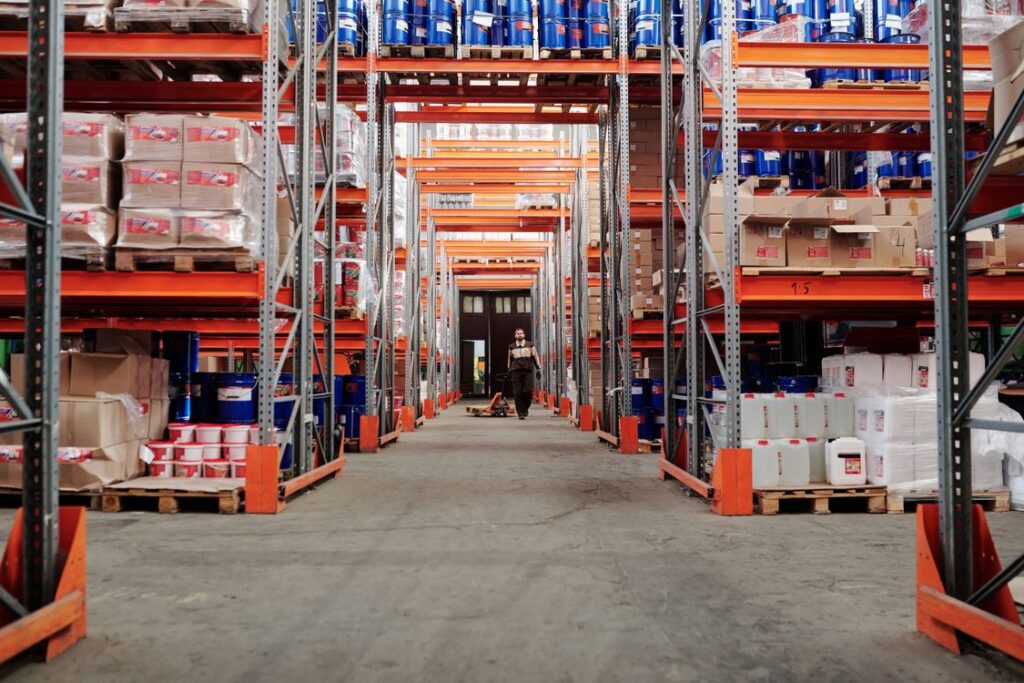
Many workshops have damp concrete substrates yet still need epoxy coating to bring them into use, especially basement floors, floors near high groundwater, newly completed floors that have not fully dried, or floors lacking a damp-proof layer beneath. Applying epoxy directly onto a substrate whose moisture exceeds the permitted level is one of the common causes of blistering and peeling, because moisture vapour rising from below the substrate creates pressure directly under the sealed coating.
This article explains why damp substrates damage epoxy floors, when a moisture-barrier solution is needed, and what role a moisture-barrier self-leveling screed plays in such a system. This article does not record a permitted moisture limit or a thickness for any Kadier product, because no product-specific Kadier figures are published in a confirmed technical data sheet (TDS) yet. Any limit applied to a specific project must be taken from the TDS of the specific product, after actual substrate moisture has been measured.
Why does substrate moisture damage epoxy floors?
Once cured, an epoxy coating forms a relatively sealed film. When moisture vapour from within the concrete or from below the floor rises and is blocked by the sealed film, vapour pressure builds up at the interface between coating and substrate. At first, this may appear only as a few small blisters; over time, the blisters spread, the coating loses adhesion and peels in patches. This process can be slow, occurring over many weeks or months of use, so at initial acceptance the floor may still look perfect.
Warning signs of a damp substrate include: uneven dark patches on the floor, white salt deposits on the surface, old coatings peeling in patches with a damp substrate face, or basement areas and areas near earth-retaining walls that always feel damper than other areas. Visible signs, however, do not replace measurement: many substrates that look dry still have internal moisture above the level permitted for the coating system.
Measure substrate moisture before deciding
Before choosing a solution, substrate moisture must be measured by a suitable method and at many locations, especially low areas, near walls, near water sources, and areas that have previously suffered ingress. Results must be compared with the permitted limit stated in the TDS of the coating system planned for application. If moisture is within the limit, a standard coating system may be applied following the correct substrate preparation procedure. If moisture exceeds the limit, a moisture-barrier solution is needed, or the substrate must be allowed to dry further, rather than applying and hoping.
The moisture source must also be identified: moisture from concrete that has not yet fully dried differs from rising damp from groundwater, and moisture from a leaking pipe differs from moisture due to a missing damp-proof layer. Each source requires a different treatment, and a moisture-barrier solution only works when the source has been correctly identified. If there is an active leak or excessive groundwater pressure, the water source must be treated first, because no moisture-barrier layer replaces leak repair.
What is a moisture-barrier self-leveling screed, and when is it used?
A moisture-barrier self-leveling screed is a self-leveling screed applied to the concrete substrate before the epoxy coating, with the role of creating a layer that blocks moisture vapour rising from the substrate, while also levelling the surface so the coating above achieves a more even thickness. In a moisture-barrier system, this screed is normally combined with a suitable primer and the epoxy coating above, forming a multi-layer system that works together, not a single layer that by itself solves every moisture problem.
This solution is usually considered when substrate moisture exceeds the limit for a standard coating system but has not reached the level requiring major water-source treatment, or when the schedule does not allow waiting for the substrate to dry naturally over a long period. Conversely, for substrates under strong groundwater pressure or with an active leak, applying only a moisture-barrier screed without treating the water source is not enough and risks repeat failure.
What to note when applying a moisture-barrier system
Substrate preparation remains a step that cannot be skipped: grinding to open the surface, removing weak layers, dust, oil and grease, treating cracks, and thorough cleaning before applying the moisture-barrier layer. Then apply the moisture-barrier layer at the correct thickness and waiting time stated in the TDS of the product, and only then apply the following epoxy layers within the permitted recoat window between layers. Skipping waiting times or applying the next layer before the layer below has reached its required state can reduce the effectiveness of the whole system.
After completion, areas that were previously damp should be monitored during early use. If small blisters appear, check early and identify the cause before damage spreads, rather than waiting until large patches peel before acting.
See Kadier’s coating systems to compare system build-up and general scope of application: LevelFlow and AquaBase. Permitted moisture limits and moisture-barrier system build-up for each product must be taken from the TDS of the specific product.
Request a consultation — describe the current damp condition of the substrate and any moisture measurement results already available, so they can be checked against a suitable moisture-barrier solution.
Illustration photo: Pexels, photographer Tiger Lily. General reference framework: TCVN 9014:2011 and TCVN 12574-2018 on paints and coatings; product-specific figures are to be checked against the TDS of the specific product.
