

 Tiếng Việt
 中文 (中国)
The handover date says nothing about the durability of an epoxy floor. Whether a floor is good only shows after 6–12 months in service, when loads, cleaning chemicals and temperature changes have acted repeatedly on the floor surface. This article provides a post-handover tracking framework: which items to inspect, how to record them so they can be compared over time, and how the 6-month mark differs from the 12-month mark. All 6- and 12-month marks in this article are a suggested tracking framework, not a warranty commitment, not a mandatory Kadier inspection or maintenance schedule, and this article states no Kadier durability figures over time. Actual inspection frequency depends on load levels and the maintenance contract for each project.
Table of inspection items and how to record them
| Item | How to check | What to record |
|---|---|---|
| Appearance | Observe wear, scratches, discolouration, ingrained dirt under the lighting actually used | Location, same-angle photos, date, inspector |
| Adhesion, blistering, delamination | Tap for hollow sounds, observe blistering and delamination, especially at edges, wall bases and damp zones | Location on the floor plan, damaged area size, whether it is spreading |
| Cracks | Observe and measure cracks, comparing with the previous inspection | Location, length and width, whether spreading or new cracks have appeared |
| Slip resistance | Feel during operation and re-measure with exactly the method used at acceptance | Measurement method, measurement location, result compared with the acceptance baseline |
| Drainage, ponding | Observe after washing or after rain, test with water at suspected locations | Newly appearing ponding locations, whether draining to a collection pit |
| Line markings | Observe marking wear under wheel traffic | Worn areas, same-angle photos |
| Cleanability | Record stains that cannot be removed by the current cleaning process | Stain type, chemicals tried, suggested causing chemical |
How to record so inspections can be compared over time
The value of tracking lies in comparability. Each inspection must follow the same recording method:
- Record by zone on the floor plan, not generally for the whole floor.
- Each inspection records the date, the inspector, and photographs from the same angle and lighting as before.
- Re-measure at the same locations marked at acceptance for film thickness and slip resistance; test adhesion at a new location, not over the old test mark already repaired.
- Classify severity after each inspection: keep monitoring, minor repair, or reassess the coating system.
- Keep the original acceptance report as the baseline — see the Acceptance and Warranty page and epoxy floor acceptance: which criteria to compare this baseline.
The 6-month and 12-month marks — how they differ
6 months: detecting early-emerging defects
The 6-month mark focuses on early-emerging application or substrate defects: moisture blistering, edge delamination, shrinkage cracking and fast wear in vehicle turning zones. If these signs appear early and spread quickly, the cause needs assessing immediately rather than waiting for the next mark, because a small repair at this stage is usually simpler than a large-area repair later.
12 months: assessing trends
The 12-month mark assesses trends rather than individual signs: is wear spreading, is slip resistance falling, are cleaning chemicals discolouring or softening the surface? Only from this trend is the next plan decided: keep monitoring, localised repair, or reassess the whole coating system. This article states no recoating cycle or Kadier floor lifespan, because those figures only mean anything when based on the real tracking file of each project.
Reading trends: when normal, when assessment is needed
One localised defect does not mean the whole coating system has failed; fast wear on one walkway does not mean the wrong system was chosen for the whole floor; discolouration from a newly introduced chemical does not mean poor floor quality. Before concluding, check the chemical log and operating log: which chemical was newly introduced, which load changed, which zone changed function. This principle avoids repairs for the wrong cause and unnecessary cost.
When to call a contractor or technician for assessment
The following signs need professional assessment, not wide-area self-repair: widespread delamination, fast-spreading blistering, through-coat cracking, loss of slip resistance on walkways and ramps, newly appearing ponding. This article presents these signs as needing assessment, promising no free repair or specific handling time — those matters follow the contract for each project.
Frequently asked questions
Why photograph from the same angle at each inspection?
Because only with the same angle, same lighting and same location can photographs from different inspections be compared to show trends in wear, crack spread or discolouration over time.
Can adhesion be re-tested on the exact acceptance test mark?
It should not be. The old test mark has been repaired, so it no longer represents the original coating. Adhesion testing during tracking should be done at a newly agreed location.
Are the 6- and 12-month marks a mandatory Kadier maintenance schedule?
No. They are a suggested tracking framework in this article. Actual inspection and maintenance schedules follow load levels and the maintenance contract for each project.
What is a tracking file for when repairs are needed?
A zone-by-zone file, with same-angle photographs and repeated measurement results, helps identify the right location, the right cause and the right coat system to repair, instead of unnecessary wide-area repairs.
For a copy of the floor-tracking log template and maintenance advice suited to your project, please contact us for a quotation or send a request via the contact page (hotline/Zalo 0899355489, WeChat wxid_95o54joujyrr12).
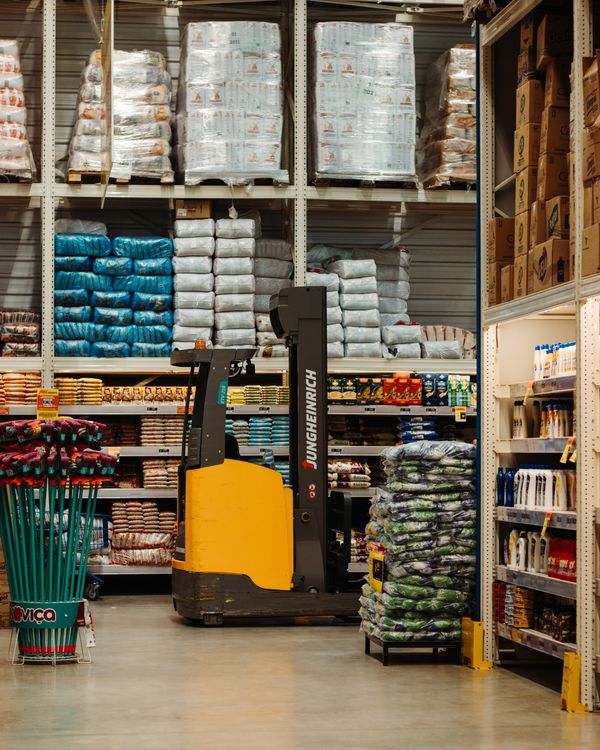
Illustration: a warehouse in operation with forklifts and a floor that has seen service time. Pexels stock photo (photo ID 5498230), illustrating a floor in service, not a photograph of a Kadier project.
