

 Tiếng Việt
 中文 (中国)
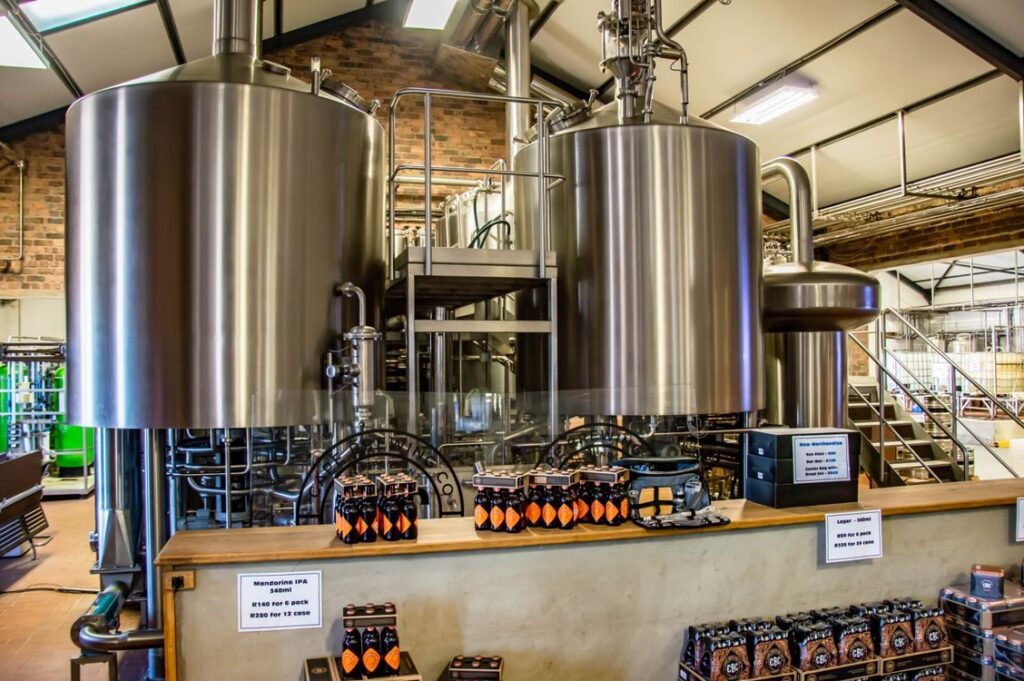
Breweries, wineries and beverage plants are almost continuously wet environments: equipment wash water, condensate, spilled product, moisture from fermentation areas and filling areas. Floors here do not only need to withstand water; they also need to be easy to clean, slip-resistant when wet, and not become a place where odours or microorganisms accumulate. Epoxy floor coating meets this group of requirements when the right system is chosen and applied to the right area.
Moisture and hygiene go together
In a beverage plant, water does not only appear when floors are washed; it also arises during production. If the floor surface is porous, absorbs water and has many joints, water and spilled product will pool, soak in deep and be hard to clean thoroughly. A seamless epoxy surface helps wash water run across the floor towards drainage, instead of soaking into the substrate, so end-of-shift cleaning becomes faster and more consistent.
An important limit must be stated clearly: an epoxy floor supports a plant’s hygiene requirements, but the floor is not a food safety certification. Food safety compliance belongs to the plant’s entire management system, production process, equipment hygiene and controls, in which the floor is only one infrastructure component.
Zoning by moisture level and slip risk
A beer, wine and beverage plant usually includes brewing and fermentation areas, tank storage areas, filling and packaging areas, finished-goods warehouses and auxiliary areas. Filling areas and equipment washing areas are the wettest and most slippery, and slip-resistant surfaces should be prioritised there. Brewing and tank areas need floors that can withstand hot water during cleaning and spilled product. Finished-goods warehouses and drier corridors can use a standard coating system.
Slip resistance when wet should not be understood as making the floor as rough as possible. A floor that is too rough will be hard to clean and will easily retain residues, while a floor that is too slippery is dangerous when wet. The right approach is to choose the appropriate level of texturing for each area, and to refer to the selection framework in the article Anti-Slip Epoxy Floors: Quartz Sand or Aluminium Oxide Grit?. The slope towards drainage, suitable drainage channels and drain covers are just as important as the coating layer, because water left standing on any floor for a long time increases slip risk and odour.
Choosing a coating system for each area
Following Kadier’s direction, the AquaBase water-based system suits odour-sensitive areas and areas in operation, because water-based application usually produces less odour than solvent-based systems. The LevelFlow self-levelling system suits filling and packaging areas that need a flat, seamless floor that is easy to clean. The RollCoat roller-applied system suits warehouses and auxiliary areas with moderate requirements. The final choice still needs to be based on a survey of the existing substrate, the actual moisture level and the plant’s cleaning procedure.
For areas in frequent contact with water, substrate moisture should be checked before application and a suitable moisture-barrier solution considered, because moisture rising from the substrate is one of the common causes of coating blistering after a period of use. Thorough substrate preparation before painting often determines floor lifespan more than the topcoat itself.
End-of-shift cleaning and maintenance
A beverage plant’s cleaning procedure should clearly specify the cleaning solutions used, the washing sequence and re-inspection after washing, especially at coved wall bases, around tank feet and at drainage channel edges. These locations easily accumulate residues and are the first places where odour appears if cleaning is not thorough.
Floor maintenance should be tied to a regular inspection schedule: early detection of cracks, localised peeling or gradually wearing anti-slip layers, and repair area by area instead of waiting for damage to spread. When repairing a filling area, the area should be cordoned off and temporary routing arranged so that the remaining line is not completely interrupted.
Limits to keep in mind
This article presents the general characteristics of epoxy material and Kadier’s direction for choosing a coating system. The specific parameters of each Kadier system — such as hot-water resistance, slip-resistance level or resistance to specific cleaning chemicals — must be checked against the official TDS of the specific product and the cleaning procedure of that particular plant.
Get advice on an epoxy flooring option for a brewery, winery and beverage plant, including a substrate moisture survey and anti-slip zoning for each area.
Featured image: Adriette Benade on Pexels.
