

 Tiếng Việt
 中文 (中国)

Project owners often ask a seemingly simple question: after coating, how long before the floor can be walked on, how long before forklifts can run on it, and how long before chemical cleaners can be used. The answer is not a single number but a series of different time milestones, and confusing these milestones is […]
Author Archives: admin

25
Oct
Oct
The primer is the first coating layer in direct contact with the concrete floor, yet it is the layer project owners pay least attention to because it lies hidden under the topcoats. Skipping the primer or choosing the wrong type of primer is a silent cause of many peeling failures. This article explains what an […]

25
Oct
Oct
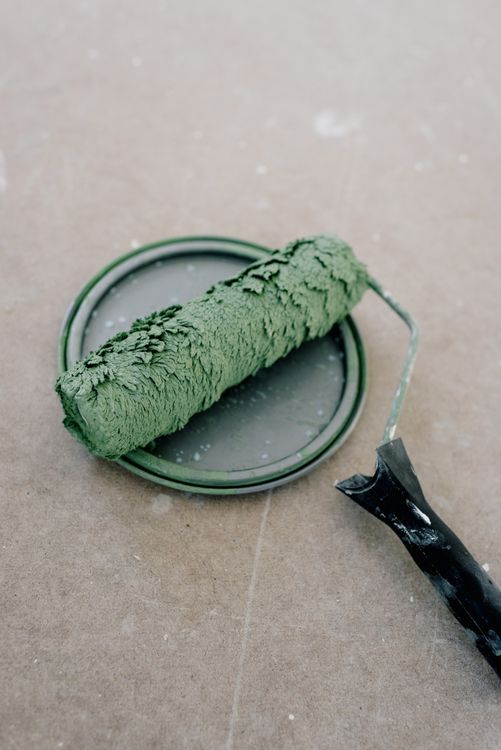
Epoxy coating is a two-component paint: the resin and the hardener must be mixed in the correct ratio to cure into a hard paint film. Mixing in the wrong ratio is a mistake that cannot be fixed by applying another layer on top, because the faulty film lies at the bottom and will undermine the […]
25
Oct
Oct
A concrete floor that looks dry can still hold enough moisture to ruin a newly coated epoxy system. Substrate moisture is one of the most common causes of blistering and peeling after application, and the regrettable part is that it can be detected before coating if it is measured correctly. This article focuses on one […]

25
Oct
Oct
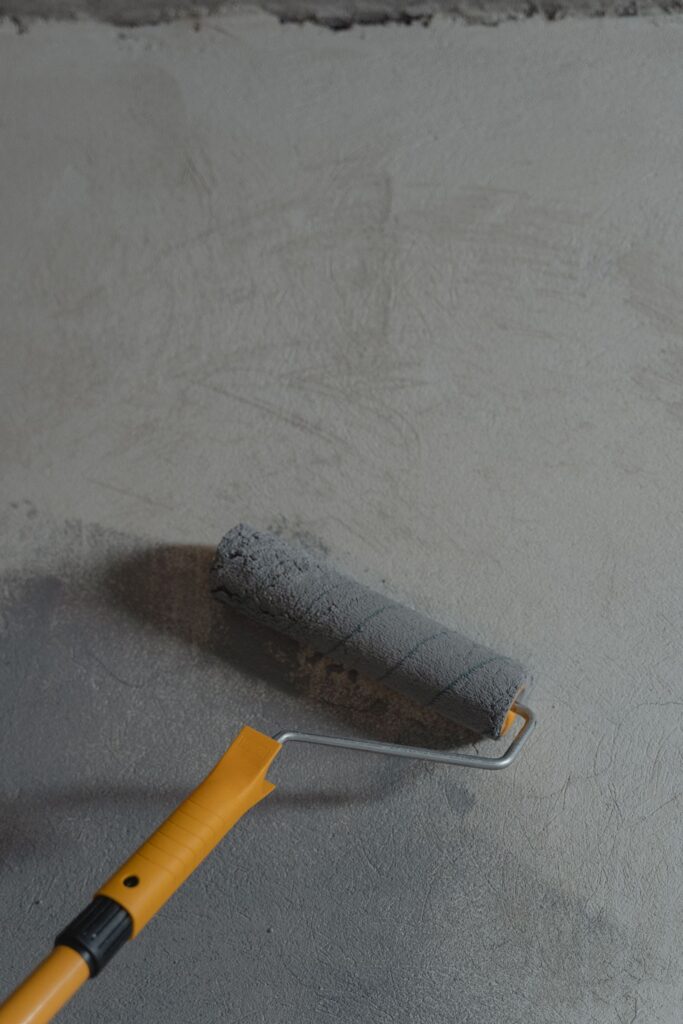
When a contractor says a floor has been ground to CSP 3 or CSP 5, many project owners do not know what that number means or how to check it. CSP is the way to name the degree of roughness of a concrete surface after treatment, and it directly decides whether a coating will bond […]
25
Oct
Oct
Water-based epoxy is a system that uses water as the dilution medium instead of organic solvents. As a result, this group usually has a lighter odour and a lower content of volatile organic compounds (VOC) than solvent-based epoxy. However, “water-based” does not automatically mean “suitable everywhere”: the technical documentation of each product still needs to […]

25
Oct
Oct
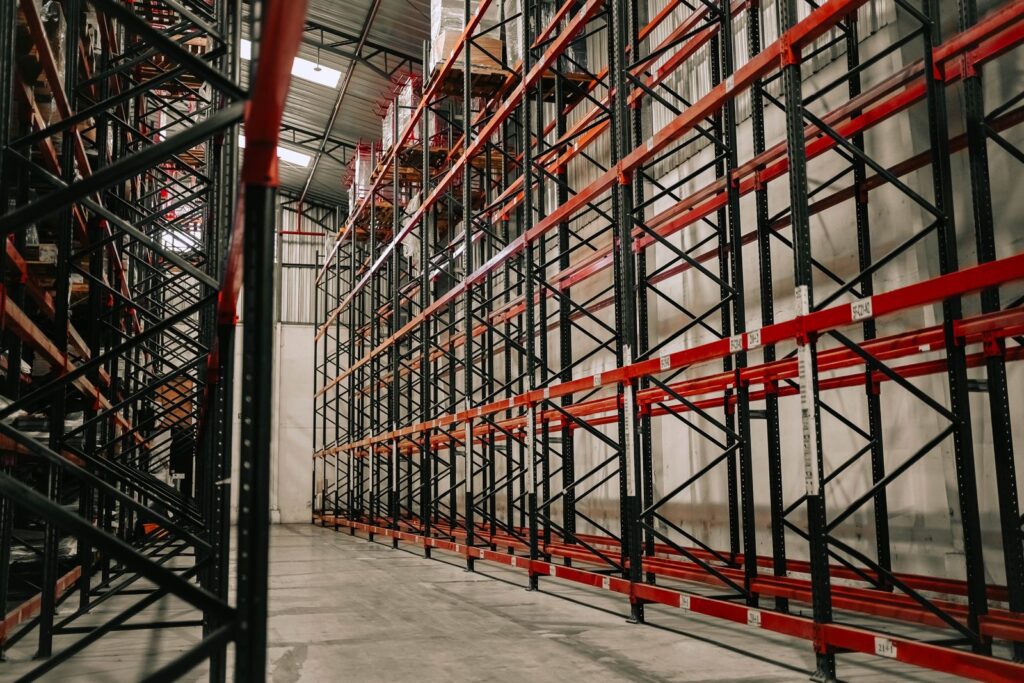
In cleanrooms and electronics plants, a static discharge that people cannot feel can still damage components, cause product defects or create dust adhesion that is hard to control. Anti-static epoxy flooring is designed to control this phenomenon: instead of letting electrical charge accumulate on the surface and then discharge suddenly, the floor helps charge dissipate […]
25
Oct
Oct
Choosing an epoxy floor system should not start from a product name but from how the floor will be used: what vehicles will run over it, what chemicals may spill on it, how clean an area needs to be, and whether the floor must work in a special environment such as a cleanroom or an […]

25
Oct
Oct
Roller-applied 3-coat epoxy and self-leveling epoxy are both epoxy floor coatings, but they differ in application method, coating build-up and finished surface. Understanding this difference helps project owners avoid choosing the wrong system: a system suited to a warehouse is not necessarily suited to an area that needs a truly flat, seamless floor. What Is […]
25
Oct
Oct
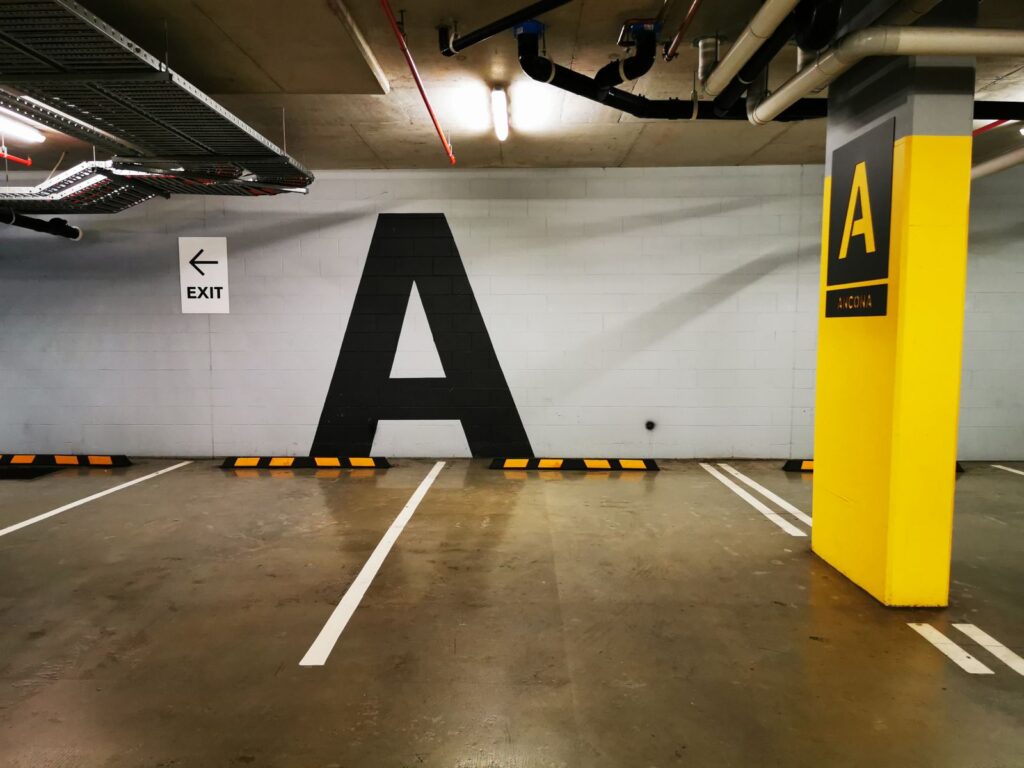
Basements and parking areas are a much harsher environment than their flat appearance suggests: vehicles coming and going continuously, wheels rubbing and turning on the spot, rainwater and car-wash water pooling, moisture from the ground seeping back up through the substrate, and weak light making it hard for drivers to tell aisles apart if line […]