

 Tiếng Việt
 中文 (中国)
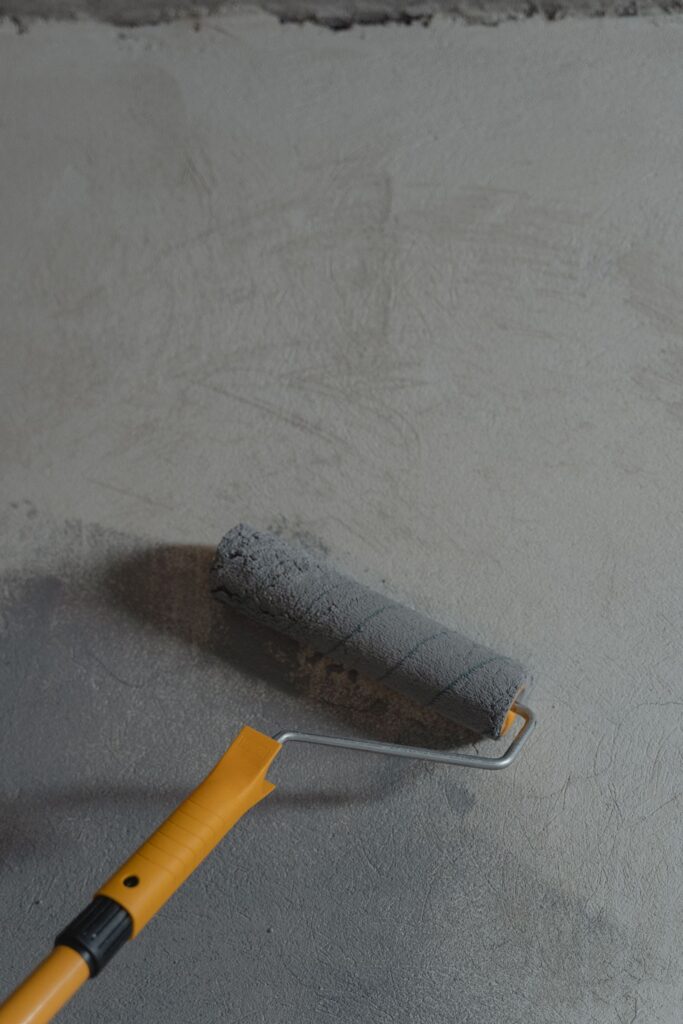
Water-based epoxy is a system that uses water as the dilution medium instead of organic solvents. As a result, this group usually has a lighter odour and a lower content of volatile organic compounds (VOC) than solvent-based epoxy. However, “water-based” does not automatically mean “suitable everywhere”: the technical documentation of each product still needs to be checked for VOC level, chemical resistance and actual limits of use.
When Should Low-VOC Water-Based Epoxy Be Used?
- Areas in operation or about to be put into use: food plants, pharmaceutical plants, hospitals, schools or offices need to limit odour and disruption. A lighter odour means application affects surrounding activities less.
- Areas with high hygiene requirements: the seamless, easy-to-clean surface of epoxy suits places needing dust and microbial control, provided the system chosen meets the hygiene requirements of that industry.
- Substrates still slightly damp: some water-based systems tolerate moisture better than solvent-based systems. Even so, substrate moisture must still be measured and compared with the limit stated in the technical documentation of the product; do not assume every water-based system can be used on damp substrates.
- Light to medium traffic areas: foot traffic areas, light production areas and light storage warehouses are places where water-based systems usually best show the advantages of low odour and easy application.
See the corresponding system: AquaBase system.
When Should Another System Be Considered?
- Very high load and wear: areas with continuous heavy forklift traffic need careful comparison of wear and load-bearing capacity; a thicker system or another more suitable system may be needed.
- Frequent strong chemical contact: list the actual chemicals and check chemical resistance in the technical documentation, rather than choosing only because the coating is water-based.
- Anti-static requirements: anti-static performance is a separate feature, not automatically present just because a coating is water-based. Electronics areas and cleanrooms need a dedicated anti-static system: StatGuard system.
How Should “Low VOC” Be Understood?
VOC are volatile organic compounds released during and after application. The “low” VOC level of a product is meaningful only when measured and clearly stated in the technical documentation or safety documentation of that very product. When comparing products, ask for the corresponding figures and measurement methods, rather than only comparing advertising wording. At the same time, even though the odour is lighter, the application area still needs ventilation and compliance with the safety instructions of the manufacturer.
Points to Finalise Before Application
- Measure substrate moisture and prepare the substrate as required. See also: Concrete Floor Preparation Before Epoxy Coating: Grinding, Crack Repair, Moisture Testing.
- Confirm the VOC level, chemical resistance and cleaning agents to be used, from the technical documentation of the product chosen.
- Finalise drying time and the time to bring the floor into use, to arrange the operating schedule, because water-based coatings still need full curing time.
- Finalise the cleaning and maintenance method afterwards. See also: Epoxy Floor Maintenance and Cleaning Done Right.
Scope note: the content above describes the general characteristics of water-based epoxy materials, with reference to TCVN 9014:2011 and TCVN 12574-2018 where relevant. This article does not publish Kadier-specific parameters, VOC levels or moisture tolerance of the Kadier system; those parameters apply only when official technical documentation for that product is available.
Illustration photo: Tima Miroshnichenko on Pexels.
