

 Tiếng Việt
 中文 (中国)
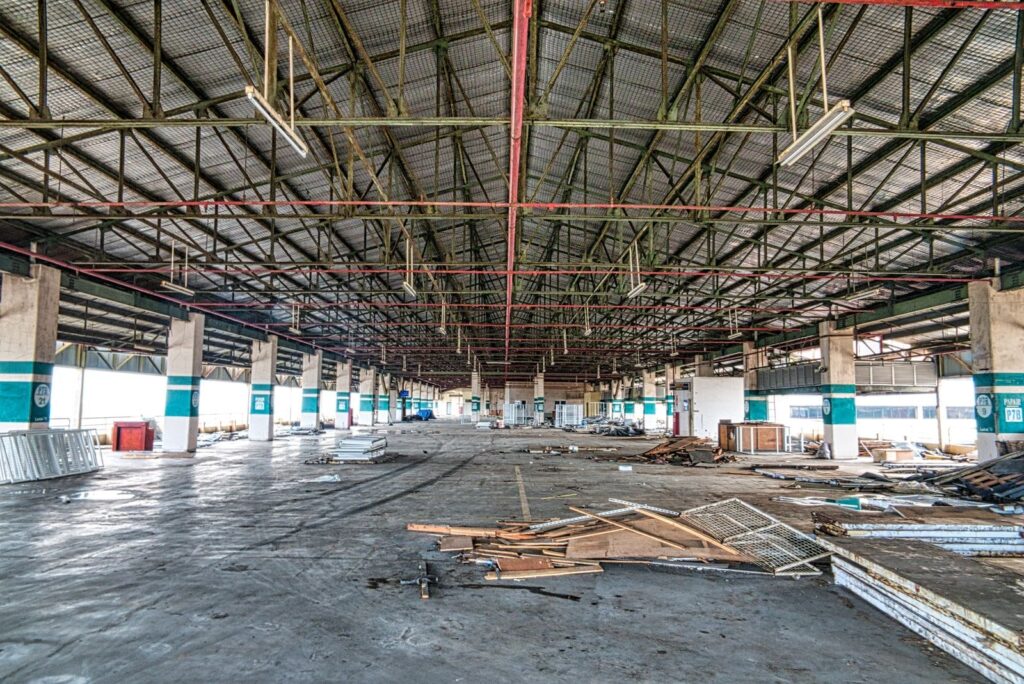
Before choosing a coating system for a plant at Song Hau Industrial Park, the first job is not choosing a colour or a gloss level. It is reading the name “Song Hau” correctly, because the same name belongs to several different places, and each one sets a different flooring problem. This article covers exactly one park: Song Hau Industrial Park, Phase 1, Dong Phu Commune, Chau Thanh District, former Hau Giang Province — now part of Can Tho City. It is a zone-by-zone flooring guide for that park. It does not claim that Kadier has built at this park or served any specific business inside it. The three-park cluster background — Song Hau, Tan Phu Thanh and Tran De together — is covered in the Hau Giang and Soc Trang industrial park cluster article; this article goes one level deeper, into the floor map of the Chau Thanh park alone and into refurbishment work inside plants that are already running.
1. Reading the name correctly: four different things called Song Hau
These four are not the same park, and confusing them leads to the wrong floor system, because their scale, fill, industries and ground conditions are entirely different:
| Thing called Song Hau | Identification | Covered here? |
|---|---|---|
| Song Hau Industrial Park, Chau Thanh | Phase 1, Dong Phu Commune, Chau Thanh District, former Hau Giang Province, now Can Tho City; the first industrial park of Hau Giang Province, established in 2007. | Yes — this park only. |
| Song Hau Industrial Park, Lai Vung | In Lai Vung District, Dong Thap Province; established by a decision of the Dong Thap Provincial People’s Committee dated 10 March 2009. A different park, in a different province. | No. |
| Planned Song Hau Industrial Park, Ke Sach | In the Ke Sach area, former Soc Trang Province, also now part of Can Tho City; a project still awaiting direction on investment approval, not an operating park like the Chau Thanh park. | No. |
| Song Hau Industrial Park 2 | In Mai Dam Town and Phu Huu Commune, Chau Thanh District; a separate, later park, not Phase 1 of the Chau Thanh park. | No. |
The Hau River itself is not an industrial park either: many articles mention the “Hau River” as a waterway logistics axis, and the reader needs to keep the river’s name apart from the park’s name. From here on, every use of “Song Hau park” in this article means the Chau Thanh park at Dong Phu, and none of the other three items in the table.
2. The Chau Thanh park: scale, fill history, and a port inside the park
Phase 1 of the Chau Thanh park was planned at 290.79 hectares, a figure later reporting usually rounds to about 291 hectares. The cluster article records a 286–300 hectare range across sources with different measurement scopes; this article uses the 290.79-hectare planning figure as its headline figure, because it is the most clearly scoped one, and it does not add the area of Song Hau 2 or any other park to it.
Fill must be read by date, not as a single present-tense figure. An earlier report put the park at over 90% of its industrial land filled; a later report put Phase 1 at 100% filled. Those two figures belong to two different reporting dates, and this article does not turn them into a live “current” percentage, because no direct current figure exists. What can be concluded firmly from both reports, together with the 2026 management-board report describing the park as a bright spot of the Nam Song Hau area, is that the park has been near-full for a long time, and that the real flooring market here is refurbishment and infill inside operating plants, not new floors on empty land. For the same reason, this article states no available plot, no rent and no fee: those must be confirmed directly with the management board, and a flooring guide has no basis for asserting them.
One further figure needs its scope stated plainly. A report gives 75 enterprises carrying out 77 projects, with 54 projects in operation and 23 under construction, for Song Hau and Tan Phu Thanh combined. That is a combined figure for two parks, not a figure for Song Hau alone, and this article does not use it as a Song Hau figure. Tan Phu Thanh is a separate park — Phase 1 of about 201 hectares in the former Chau Thanh A area — with its own single-park article; this article links to it so the reader can compare the neighbouring park, and borrows none of its figures.
The Chau Thanh park’s biggest logistics distinction is that the Vinalines Hau Giang general port lies inside the park. The logistics flooring problem here is therefore not “a warehouse near a port” but warehousing and yards tied directly to port activity on the same site: constant truck and forklift movements, concentrated wear at turning points, and outdoor yards exposed to the weather. The wider connections, as reported in 2026, are a location close to Can Tho City, towards Cai Cui port, and about 15 kilometres from Can Tho International Airport. Those distances are recorded as reported, not re-measured, and they describe general logistics only: Cai Cui port and the airport are not facilities inside the park, while the Vinalines port is.
3. The zone map: wet processing, cold storage, dry warehousing and the port yard
The Chau Thanh park is a multi-industry park, with a reported direction prioritising high technology and environmental friendliness. Its clearest industry signature, with concrete historical evidence, is seafood processing and the cold chain. A seafood-processing plant in the park broke ground in August 2009 on a 43-hectare site, with a design capacity of 20,000 tonnes a year as reported at groundbreaking; a 50,000-pallet cold-storage facility on a 30-hectare site in the park was then reported in 2015 as the first phase of a larger project. Those are project figures at their reporting dates, not current capacities, and this article uses them for one purpose only: to show that wet zones and cold storage are not side activities at this park but the activities that define its flooring requirements. The seafood company’s registered address is also recorded as Song Hau Industrial Zone, Phase 1, Dong Phu, Chau Thanh — a further independent confirmation of the park’s location.
From that signature, the park’s floor map divides into five zones, each with a different requirement:
Seafood wet processing — raw-material reception, pre-processing, packing: seamless, slip-resistant floors that resist washing and light chemicals and are easy to clean after every shift, with falls to drainage. Wetness differs sharply between reception, pre-processing and packing, so a single system should not be specified for the whole plant. The difference between factory floors and logistics warehouse floors is the starting point for separating these zones before choosing a system.
Cold storage — where forklifts run continuously over a floor subject to temperature and moisture cycling: the weak points are joints, falls and adhesion of the coating to a substrate that has lived cold for years, not the surface appearance alone. In a park with a cold-storage footprint of the reported scale, surveying the substrate before recoating matters more than choosing a colour or gloss.
Dry warehousing and the in-park port yard — where goods from the in-park Vinalines port meet road freight: the heaviest forklift and truck loads, concentrated wear on aisles and turning points, and a need for clear lane marking. The outdoor yard is a zone of its own: an outdoor coating must resist the weather, and an indoor epoxy system cannot simply be carried outside and expected to last as it does indoors.
Assembly, electronics and consumer goods — the rest of the multi-industry mix: the base requirement is low dust retention, easy cleaning and even wear resistance. For electronics and quality-inspection areas, anti-static treatment enters only where a survey confirms a requirement; this article does not apply an anti-static standard to the whole park. Readers can compare with the article on anti-static epoxy flooring to see when that requirement genuinely arises.
Office and service areas inside the plant — light loads but higher cleanliness and appearance demands: a thin roller system, easy to apply and maintain, is usually enough, and there is no reason to spend a heavy-duty production-floor system on these areas “to be safe”. Roller-applied versus self-levelling epoxy helps separate these two system families before deciding.
4. Low ground, flooding, and the 2026 upgrade proposal: survey before recoating
Ground condition is where the Chau Thanh park differs most from parks on higher ground. According to the 2026 report of the Can Tho City export-processing and industrial-park management board, infrastructure at Song Hau and Tan Phu Thanh parks had degraded after many years of operation on a low foundation, and prolonged flooding had seriously affected production. On that basis, the board proposed that the city invest in a coordinated technical-infrastructure upgrade at an estimated cost of about VND 239 billion, together with about VND 30 billion to upgrade Song Hau park’s central wastewater-treatment plant.
The status of that proposal must be read exactly: it is a proposal from the management board to the city in 2026, not an approved, funded or built project. This article does not write about it as completed work, and does not use it to promise that any particular plant’s ground will be raised. Its value to a flooring decision is different: it confirms, from the managing authority itself, that low ground and flooding are real conditions of this park, not a worry belonging to a single plant.
The direct consequence for flooring work is that substrate moisture measurement and reverse-waterproofing preparation are mandatory survey steps before any recoat at this park, above all for floors that have been flooded. Moisture rising from the substrate and lifting a coating off the concrete is the most common cause of floor failure on the low-lying Mekong Delta ground, and in seafood wet zones, substrate moisture combined with frequent washing accelerates peeling if it is not dealt with thoroughly. A new coat laid over a damp, cracked or differentially settled floor without a survey is unlikely to last, however good the coating system itself may be. The Can Tho cluster and central Mekong Delta article stresses the same substrate-moisture problem at cluster level; at park level, this article applies it to the Chau Thanh park’s specific condition: low, degraded, previously flooded ground.
5. Refurbishing a plant in operation: zone by zone, without stopping the whole plant
Because the park is near-full and most plants are running, the realistic flooring job at Song Hau is refurbishment zone by zone while production continues in the remaining zones. That job follows a different sequence from coating a new concrete floor, and it runs like this:
First, split the plant into zones by wetness, dust and load — wet zones, cold storage, dry warehousing, the port yard, assembly — and treat each zone as its own project, with its own system and schedule. Next, survey each zone before coating: measure substrate moisture, check for cracks and differential settlement, and check the adhesion of the old coating. Zones with damp substrates or already-blistered old coatings need substrate treatment first, not a direct recoat. Then schedule the work around production shifts: zones that can shut down by shift shut down by shift, zones that can only be worked outside production hours are worked outside production hours, and outdoor yards are scheduled for weather that allows the work. Finally, accept each zone separately once its coating has cured sufficiently and its adhesion has been checked, rather than accepting the whole plant at once.
To keep the decision off guesswork, a plant owner or contractor should be able to answer six questions before fixing a system for any zone in this park: one, which zone is this — wet, cold, dry or outdoor yard — and how wet or dusty is it; two, what is the real load on the floor — light forklifts, heavy forklifts or trucks — and do vehicles follow fixed routes or the whole floor; three, is the existing substrate new concrete or an old floor that has been flooded, and has its moisture been measured and its cracks and settlement checked; four, does the zone have any confirmed anti-static or special cleanliness requirement; five, can the plant shut down zone by zone, or can work only happen outside production hours; six, do the outdoor areas and the port yard need a separate weather-resistant coating. Answer all six, and choosing a system becomes a matter of matching each zone to a suitable system, not of choosing by price or habit. The same zone-by-zone approach appears in the Binh Minh Industrial Park article, where refurbishment of operating plants beside a river port also has to proceed zone by zone — but Song Hau’s low, flood-exposed ground and its in-park port make this a separate problem, not a copy of Binh Minh.
This article also differs from the Hung Phu Industrial Park article at the decisive point: Hung Phu is a southern-gateway story of logistics clusters tied to highways and a port, while Song Hau is a story of a near-full park, low ground, an in-park port and a seafood cold chain — so the emphasis here is refurbishment, not new floors for new plants. Readers who want the whole southern picture of the new Can Tho City should read the Hau Giang and Soc Trang cluster article as well; readers who have already placed themselves at Song Hau, Chau Thanh, will find this article is the floor map written for that park alone.
Is your plant or warehouse at Song Hau Industrial Park, Chau Thanh — a seafood wet zone, a cold store, a dry warehouse or a yard of the in-park port? Send the area and the wet-or-clean zone details via the quote page or the contact page for advice on a suitable flooring system for each zone, after a site survey. This article gives no specific prices, because price lists circulating online are not Kadier prices, and the final price depends on the area, the industry, the wet-or-clean zone, the substrate and moisture condition, and the work schedule.
