

 Tiếng Việt
 中文 (中国)

An operating plant cannot stop its whole line just because a floor is wearing out, but it also cannot hand its floor to any supplier without a basis for comparison. This article is for a plant manager and a procurement lead at a business operating in Binh Minh Industrial Park, Cai Von ward, Vinh Long province, and for owners of processing workshops and warehouses in the ward. It answers three questions in the order a buyer actually asks them: how to choose an epoxy flooring supplier, what to prepare in order to receive a recoating quotation, and how to organise recoating in phases so that production never stops.
Binh Minh Industrial Park (134.82 ha, according to the Vinh Long provincial Economic Zone Authority, via the provincial report of April 2026) is operating in Cai Von ward (as listed by the Authority), with a reported leased-area fill rate of 89.8%. The park is nearly full, so the floor problem here is recoating floors inside operating plants, not coating new floors in plants that have not been built yet. For the technical question of which floor system suits which kind of floor area, this article stays at the level of a general framework and points to the technical article on the park: Epoxy Flooring for Binh Minh Industrial Park (Cai Von, Vinh Long): River-Port Yards, Wet Zones and Refurbishment of Operating Plants.
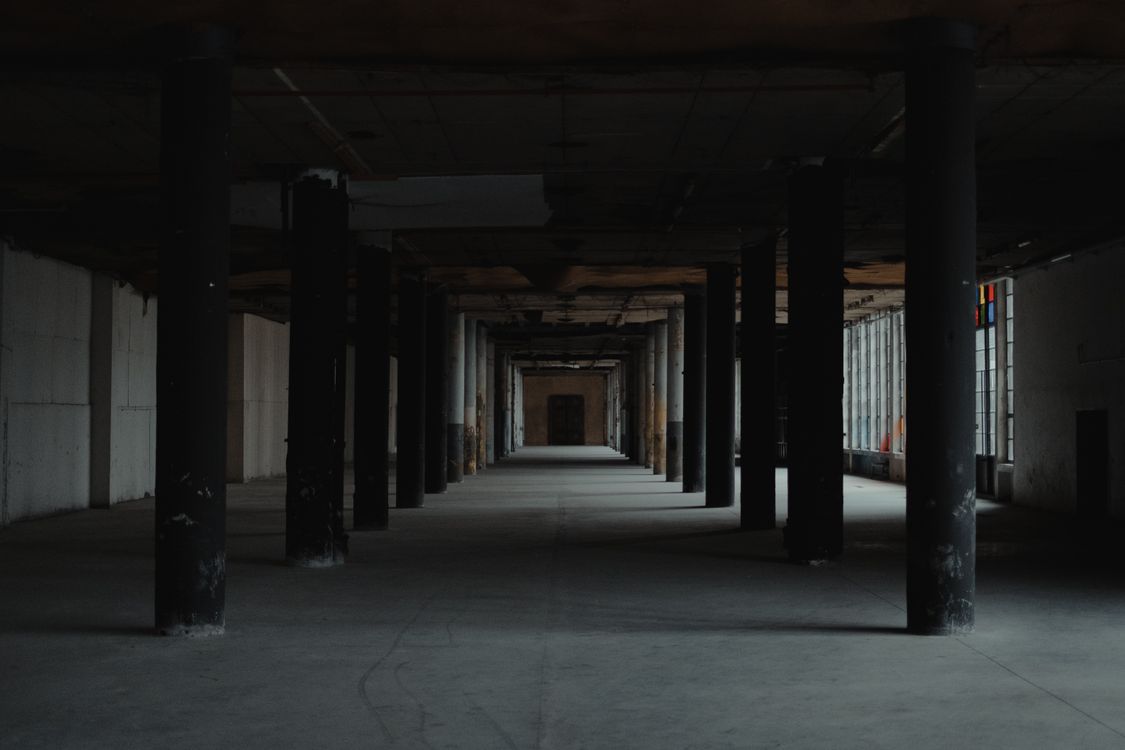
1. Cai Von ward and the operating Binh Minh Industrial Park
Cai Von ward in its new form was established under Resolution 1687/NQ-UBTVQH15, combining the whole of the former Cai Von ward with residential quarter 3 of Thanh Phuoc ward, the former My Hoa commune, and the Con Sung area of the former Ngai Tu commune; the new commune-level administration has operated since 1 July 2025. After the merger, Vinh Long province has 124 commune-level units, comprising 19 wards and 105 communes. The ward sits at the foot of Can Tho Bridge, on National Highway 1A, bordered to the west by Can Tho City across the Hau River and to the east by Dong Thanh ward.
One distinction must be read carefully before approaching any supplier: Dong Binh Industrial Park (350 ha, infrastructure under development) belongs to neighbouring Dong Thanh ward, not to Cai Von ward; Binh Minh ward is a different ward and must not be confused with Binh Minh Industrial Park. Published park listings describe the industries oriented to or present in Binh Minh Industrial Park as agro and aquatic processing, consumer goods, textiles, building materials, electrical and electronics, and logistics and warehousing. This article uses that list only as a general framework for operating requirements and names no business inside the park.
The ward is more than its industrial park. My Hoa is home to a traditional dried beancurd skin craft village more than 100 years old, recognised as national intangible cultural heritage in August 2022. That sentence is only context: it shows the ward also has small processing workshops and warehouses outside the park, and the same buying method in the sections below applies to a small facility at a smaller scale.
2. How to choose a supplier serving the ward
A buyer in Cai Von ward is not short of information about floor systems. What a buyer is short of is a basis for comparing suppliers with each other before signing. The four criteria below are supplier criteria, not floor-system criteria; the technical article on Binh Minh Industrial Park linked above is where floor systems are discussed.
First, experience with operating plants. A supplier used to coating new floors works very differently from a supplier used to working inside a running plant: the second must plan for keeping access routes open, keeping neighbouring production areas running normally, and handing over one section at a time instead of the whole floor at once. Ask directly whether the supplier has organised work inside operating plants before, and ask the supplier to describe how it divides work when the plant does not stop.
Second, the ability to work by shift and by phase. A supplier must be able to present a plan for working outside peak hours or by shift, a handover method between phases, and a response when one phase runs late without dragging the whole production schedule with it. If a supplier offers only a single schedule for the entire floor, that is a sign the plan has not yet taken an operating plant into account.
Third, a transparent process from pack to quotation. A good supplier states clearly what it needs from the buyer (see section 3), then discusses the current floor condition and the production schedule, and only then quotes; a quotation issued before the supplier knows the floor condition and the production schedule is hard to compare with any other quotation. Ask who the single point of contact is throughout the work, and whether each handed-over phase has its own written record.
Fourth, aftercare after handover. Plant floors wear out section by section, not evenly across the whole plant, so aftercare terms should state the scope for each handed-over phase, how the buyer reports a defect in a single section, and the response time. Buyers often skip this point at signing, yet it decides operating cost later.
Five questions to ask a supplier before signing, all about organisational capability rather than system specifications: by what principle does the supplier divide the floor into phases; in which time windows does the supplier need the plant to hand over each phase; how are temporary routes and traffic separation arranged during each phase; if one phase runs late, how is the next phase moved without stopping the line; and what written confirmation accompanies each handover. The answers to these five questions, placed side by side across suppliers, are the comparison table a buyer needs.
3. What to prepare for a recoating quotation
A recoating quotation can only be compared across suppliers when every supplier receives the same pack. A buyer should prepare the following five groups of information before sending a quotation request, and send the same pack to every invited supplier.
First, a layout sketch and the area of each floor section. Draw the layout the way the plant actually operates: each bay, each warehouse, each forklift aisle, with an estimated area for each section. Area per section matters more than the total area of the whole plant, because work is divided into phases and a quotation should also be split by phase so the buyer can compare and reorder phases when needed.
Second, the current condition of each section, shown in photographs with short notes. For each section, record what the eye can see: where the old coating is peeling, where cracks are, which sections are often wet or stained with oil, and which sections carry the heaviest forklift traffic. Photographs with location notes help a supplier understand the condition without the buyer having to use technical terms.
Third, the production schedule and the shift pattern. Record the shift pattern of each section, the peak hours, the days of the week on which the plant can hand over each section, and the time windows in which no work is permitted at all. This schedule is the basis on which a supplier sequences phases, and it is also the basis on which the buyer checks whether a supplier shift plan matches the real schedule.
Fourth, the operating requirement of each section. Each section has a different requirement: a warehouse section needs to carry forklift loads, a processing section needs to be easy to clean and to tolerate frequent water, and a mechanical workshop section needs to tolerate impact and oil. State requirements in operating language like this, without naming a floor system, so the supplier proposes a system against the stated requirement and the buyer compares that proposal with the requirement already written down.
Fifth, the access routes and traffic separation that must stay open. Record which routes must always stay open for forklifts and pedestrians, which exits must never be blocked, and which areas can serve as temporary routes while each phase is worked on. This group is often left out, yet it decides whether a phased plan can actually be carried out.
Once the pack covers all five groups, the buyer sends the quotation request and asks the supplier to answer in the same phased structure: a quotation per phase, a work window per phase, and handover conditions per phase. A quotation after a site condition review is the next step in the general process in section 5, and it only has meaning when the initial pack is already complete.
4. Phasing recoating without stopping production
Phasing here is a way of organising work, not the name of a floor system. The general principle is simple: at any moment, only one part of the floor is handed over for work, the rest keeps operating normally, and the next part only opens after the previous part has been handed over.
Divide phases by production line and warehouse, not by guesswork. One phase should be one independently operating unit: one bay, one warehouse, or one stretch of aisle that can be handed over while the remaining lines still run. The first phase should be the one the plant can hand over most easily, so that buyer and supplier test their coordination on it before moving to harder phases where the production schedule is tighter.
Sequence phases by shift and by the windows the plant allows. Some phases run outside peak hours, some run on night shifts or rest days, depending on the schedule recorded in section 3. The key point is that the window of each phase is agreed in advance, written into the plan, and not extended casually into a running production shift. If a phase risks spilling into the next shift, the plan must already contain a safe stop and temporary handover, instead of pushing to finish inside that shift.
Hand over each part before opening the next. Each phase ends with an inspection of that phase floor, a record of any point not yet met, and only when that phase is accepted does its area return to operation and the next phase begin. This handover method lets a buyer catch a shortcoming while it is still confined to one phase, instead of discovering it after the whole floor has been coated.
Temporary routing runs in parallel with the work, not as an afterthought. While each phase is worked on, temporary routes for forklifts and pedestrians must be marked and fenced clearly, the working area separated from the operating area, and signs placed where operators see them before entering the area. When a phase ends, temporary markings are removed and the official route returns before the next production shift begins.
Finally, always keep a fallback for a late phase. A fallback can be an unscheduled reserve phase, an open window in the week, or an agreement to move the next phase to the following period without penalising the production line. A running plant does not need a beautiful schedule on paper; it needs a schedule that still protects production when one phase runs late.
5. The general Kadier supply process
The process below is the general Kadier supply framework, applied in every locality, and it is not tied to any local facility, warehouse, or project in Cai Von ward: contact and send the quotation pack; discuss the current floor condition and the production schedule; review the floor on site; advise on a floor system matching the operating requirement of each section; quote after the site review; carry out the work in the agreed phases; hand over each part and provide aftercare. This article states no price, no committed work duration, and no specific warranty period, because those can only be fixed once the pack and the site review exist.
To request a recoating quotation for an operating plant in Cai Von ward, or for a processing workshop or warehouse in the ward, contact Hotline/Zalo 0899355489 or WeChat wxid_95o54joujyrr12. When contacting, attach the five-group pack from section 3 so that the quotation starts from the same basis.
The provincial industrial-cluster context is summarised in the cluster article: Epoxy Flooring for the Tien Giang and Vinh Long Industrial Clusters.
