

 Tiếng Việt
 中文 (中国)
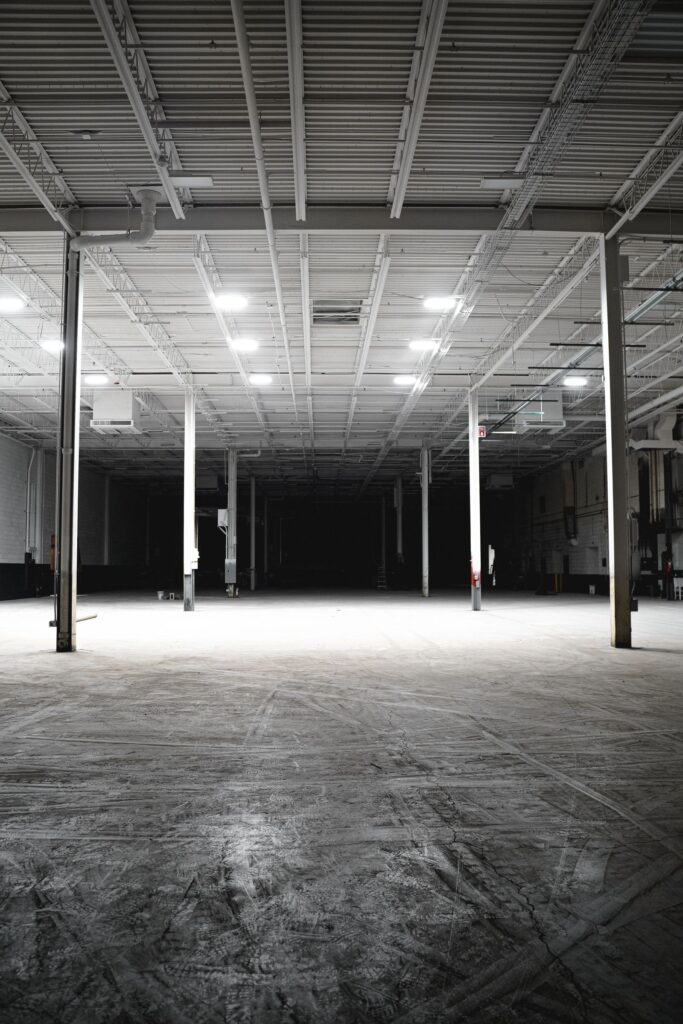
If you manage an operating production plant in Cat Lai ward, Ho Chi Minh City, and its concrete floor has started to deteriorate, the practical question is not “what is epoxy”, but: where to find a supplier, which system suits each production area, how to recoat without stopping the whole production line, and what to prepare in order to receive a realistic quote. This article answers those four questions, within one specific ward, with a boundary that needs to be stated at the outset.
Cat Lai ward (new) was established under Resolution 1685/NQ-UBTVQH15, clause 75 of Article 1, from the whole of Thanh My Loi ward (old) and Cat Lai ward (old); the new commune-level administration has operated since 01/07/2025, and the names “District 2” and “Thu Duc City” below are used only as old-area references for comparison. Cat Lai Industrial Park II (Cluster II) lies in the area of Thanh My Loi ward (old), so under this merger chain, the area where Cat Lai Industrial Park II (Cluster II) sits now belongs to Cat Lai ward (new). Everything below about Cat Lai Industrial Park II (Cluster II) must be understood within that boundary, and this article is not about any other industrial park bearing the Cat Lai name.
Warehouse, yard and loading-area floors around Cat Lai Port already have their own article, Epoxy Flooring for Warehouses and Logistics Around Cat Lai Port (Ho Chi Minh City): Warehouse, Yard and Loading-Area Floors, and are not the subject of this article; this article covers only operating production plants in Cat Lai Industrial Park II (Cluster II) and the process of finding a supplier and getting a quote in Cat Lai ward.
Why demand in Cat Lai ward is recoating, not new construction
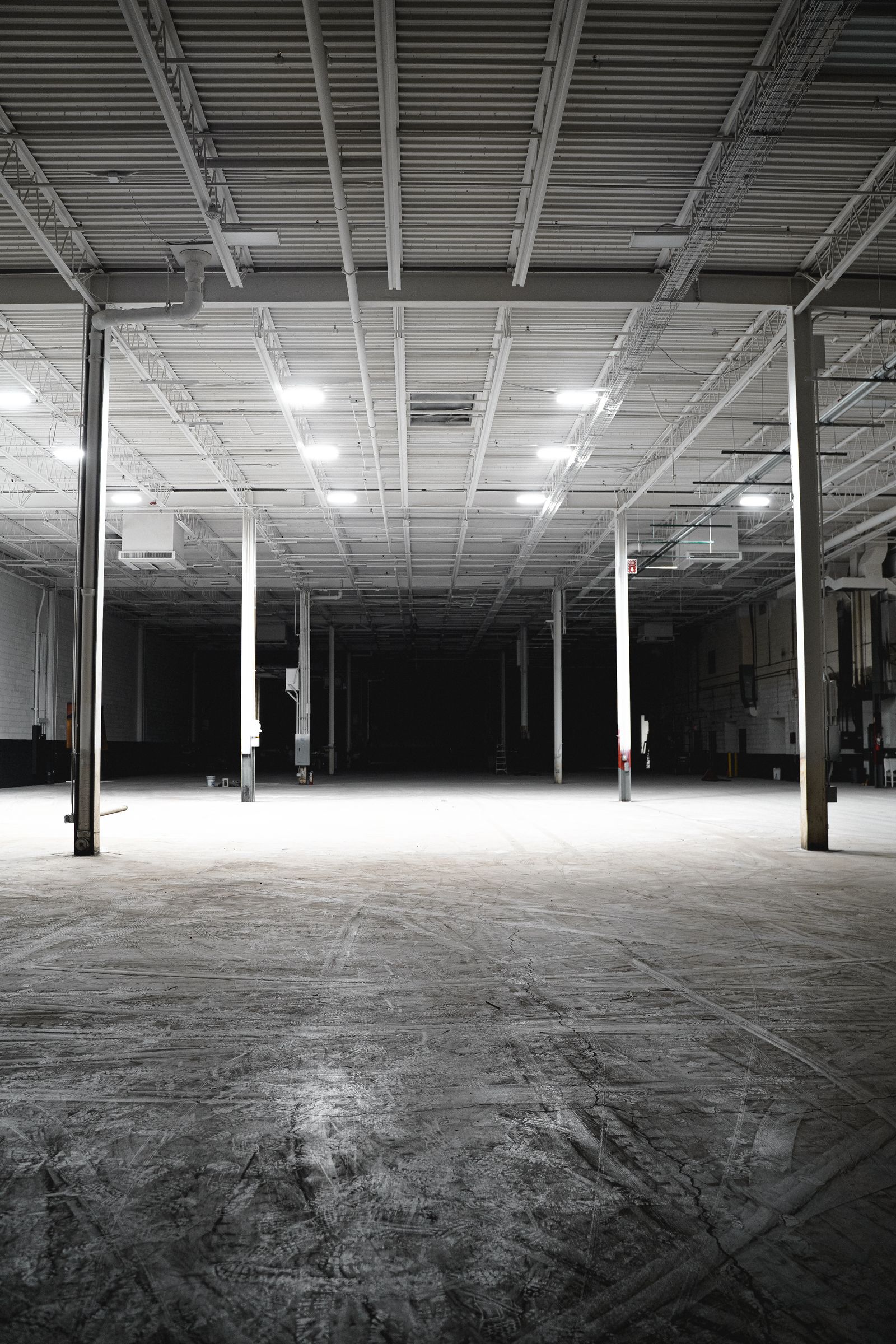
Cat Lai Industrial Park II (Cluster II) has operated for many years and is already filled, so floor demand in Cat Lai ward is no longer about choosing a floor for a brand-new plant drawn from a blank plan. The real demand is recoating zone by zone inside an operating plant: forklift aisles worn along repeated travel paths, cracked floor joints, coatings peeling in patches, and moisture seeping in through many rainy seasons. A plant that is running cannot wait for a single campaign covering the whole floor, and it cannot expect a new coat applied over an unsurveyed floor to bond durably.
The planning character of Cat Lai Industrial Park II (Cluster II) leans toward industries with low environmental pollution, so floor requirements in its plants are often tied to clean production, dust control and regular cleaning, rather than heavy loads alone. That does not mean every plant is the same: a production area that must stay clean sets different requirements from an area with constant forklift traffic, and an area in daily contact with cleaning solutions sets different requirements from a dry area. The manager’s problem is therefore not “which coating to buy”, but “which area has failed in which way, and which area must be done first”.
The case for recoating an operating plant has been set out at city level in Epoxy Flooring for Industrial Parks in Ho Chi Minh City and Nearby Areas: Demand and Service Scope; this article does not repeat that city-level picture, but addresses what the overview does not answer: for one specific production plant in Cat Lai Industrial Park II (Cluster II), how to choose a system by area, how to recoat in phases, and what to prepare for a quote.
Choose a system by production area, not one system for the whole plant
A common recoating mistake is applying the same system across the whole plant. In practice, each production area sets different floor requirements, and the system should be chosen by area. The thickness figures below are a general framework, not measurements taken in Cat Lai ward, and the final system for each area must still rest on a survey of the floor in that very plant.
Production areas with high hygiene requirements, such as cosmetics and pharmaceutical production, need a seamless floor that is easy to clean and resistant to cleaning solutions, because water and cleaning solutions contact the floor every day. For such requirements, a self-levelling system (general framework thickness 1–3 mm) is usually considered before a roller system, because a seamless surface has fewer joints where dirt can lodge and is easier to clean after each shift. The accompanying condition is that the substrate underneath must have its moisture and cracks treated before coating, or even a seamless coat may peel from the weak points of the old floor.
Production areas with moderate load and dust control, such as electrical cable, equipment and furniture production, prioritise a flat surface, low dust generation, a neat appearance and easy cleaning, while load stays at a moderate level. A three-coat roller system (general framework thickness around 0.3 mm) can serve such an area at a lower substrate-preparation cost, provided the concrete underneath is still sound and not heavily affected by rising moisture. If the floor has already worn deep along forklift paths or cracked widely, one more thin roller coat will not repair the surface; the substrate must be treated first, and only then is a coating considered.
The finished-goods holding area inside the plant and the forklift aisles inside the plant suffer the most repeated abrasion: forklift wheels run the same route day after day, change direction and brake at fixed points, so the floor wears into ruts and loses its grip exactly along those paths while the rest of the floor stays sound. In these areas, the important question is not only “which system resists abrasion”, but also “how lane markings and pedestrian safety zones will be redrawn after coating”, because a new floor without clear lane separation will quickly develop confused traffic inside the plant.
Areas exposed to industrial chemicals need to be considered separately, at the level of general requirements: which chemicals can spill onto the floor, how often contact occurs, and which cleaning solution is used after an incident. This article gives no chemical-resistance specification for any particular chemical, because such a specification is only meaningful when tied to the actual chemical and the actual system a supplier proposes after a survey. A buyer should ask the supplier to state in writing, in the proposal, that the chosen system withstands exactly the chemicals that area encounters, rather than accepting a general chemical-resistance promise.
Phased recoating inside a running plant
Phased recoating means dividing the floor into zones and working through them one at a time, so the rest of the line keeps running. Priority usually starts with the most deteriorated zone, or the zone that most directly affects production and safety, and only then moves to areas that are worn but still usable. Each phase needs a clear boundary: which zone stops, which zone stays in operation, where temporary routes for forklifts and pedestrians run, and how dust from floor grinding is contained so it does not drift into areas still in production.
Before coating, the old floor needs survey and treatment: grinding off peeled old coating, repairing cracks, treating spots that have blistered from moisture, and measuring floor moisture to decide on a suitable primer. Coating directly over a floor that is worn down to concrete in places, still well bonded in others, and blistered from moisture elsewhere is the fastest way for a new coat to peel along with the old one, and that failure usually only shows after months of operation, when repair costs far more than treating the substrate at the start. A serious proposal must therefore spell out the substrate treatment, not only the coating name and the area to be covered.
Stoppage time for each zone is something to agree with the plant before any commitment, not a figure a supplier announces on its own. A manager should provide in advance the windows in which each zone can stop, for example between shifts, on line rest days, or during scheduled maintenance, so the supplier can build a phased plan that fits the real production calendar, instead of drawing up a general work schedule and asking the plant to stop the line to fit it. Acceptance should also be done phase by phase, as soon as each zone is finished and ready for use, rather than waiting until the whole plant is done for a single acceptance.
The general supply process: from contact to acceptance
The process below is a general supply framework, applicable in any locality, and not tied to any specific location in Cat Lai ward. Contact comes first, to describe the plant, the areas needing recoating, and when the plant can receive a survey. The survey then records the condition of the floor in each area, the degree of wear, cracking, moisture and remaining old coating, and the supplier advises a system for each area, rather than proposing a single system for the whole plant.
A quote is prepared after the survey, based on the area of each zone, the degree of substrate treatment, the system chosen for each zone, and the phased plan already agreed. This article gives no unit price or price list, because a unit price is only meaningful when tied to the actual floor condition and work plan of a specific plant. A buyer should check the quote against the per-area system proposal and the substrate treatment, to see which tasks the quote includes, rather than comparing a single total figure.
Work proceeds in the agreed phases, including substrate treatment, coating, and lane marking where the plan includes it, followed by acceptance phase by phase. After acceptance, the supplier should give maintenance guidance suited to each area: how to clean, which cleaning solutions to use and to avoid, which wear signs to watch on forklift aisles, and when to inspect the floor again after a period of operation. Correct maintenance matters greatly to coating life, especially in areas with constant forklift traffic.
What to prepare for a realistic quote
A well-prepared file produces a far more realistic quote than a request that only states the total area of the plant. First, split the area by zone: high-hygiene production areas, moderate-load areas, the finished-goods holding area inside the plant, forklift aisles inside the plant, and any area with special chemical or hygiene requirements. The total area of the whole plant is not enough for a phased quote, because each zone needs different substrate treatment and a different system.
Next, describe the floor condition with photographs and short notes: where forklift wear paths run, whether cracks are long or networked, whether old coating peels in patches or blisters, whether the floor shows signs of moisture after rain, and which areas have been repaired before. Photographs of the floor, especially close-ups of cracks and wear paths, help the supplier picture the degree of substrate treatment before arriving for the survey, and help the survey focus on the real weak points instead of measuring everything from scratch.
Finally, record the industry use of each zone, any hygiene and chemical-resistance requirements, and the windows in which each zone can stop for work. These three pieces of information directly determine the system proposed and the phased plan: a production area that must stay clean cannot be handled the same way as an area that only needs dust control, and a zone that cannot stop during production hours needs a very different phased schedule from a zone that can stop for a whole day. When this information is ready, the survey is shorter, the system proposal is more specific, and the quote needs fewer later adjustments.
Contact for a quote
For advice on a system by production area, a floor survey, and a quote after survey for an operating plant in Cat Lai ward, contact Hotline/Zalo 0899355489 or WeChat wxid_95o54joujyrr12. When contacting, please send the area of each zone, photographs of the current floor condition, and the windows in which each zone can stop, so the survey and quote can be prepared close to the reality of your plant.
