

 Tiếng Việt
 中文 (中国)
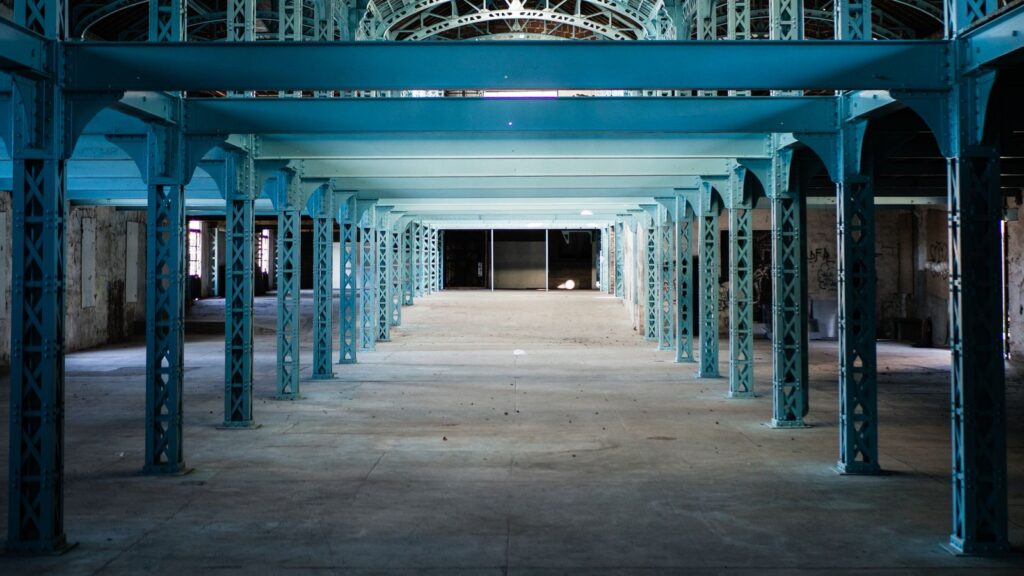
If you run a factory or warehouse in Chon Thanh ward, Dong Nai province, and the concrete floor is starting to wear out, the practical question is not what epoxy is. It is where to find a supplier, which system suits each area of the plant, how to recoat without shutting down the whole production line, and what to prepare so that a quote reflects the real job. This article answers those four questions for one specific ward, starting with a boundary that has to be stated plainly.
Chon Thanh ward (new) was established under Resolution 1662/NQ-UBTVQH15, clause 82 of Article 1, by merging the former wards of Hung Long, Thanh Tam and Minh Thanh of the former Chon Thanh town (former Binh Phuoc province) into a single new ward; after the rearrangement, the new Dong Nai province has 95 commune-level units, including 72 communes and 23 wards. The core areas of Becamex – Binh Phuoc Industrial Park and of Chon Thanh I and Chon Thanh II Industrial Parks all lie in Chon Thanh ward — Chon Thanh I and II stand on the former Thanh Tam commune, while the Becamex industrial park stands on the former Thanh Tam and former Minh Thanh commune/ward, both of which now belong to Chon Thanh ward. This article does not claim that any of these parks lies entirely within Chon Thanh ward, because the Becamex complex also extends into neighbouring areas and no post-merger park boundary map is available to check what share of any park falls inside the ward. Everything below about the parks must be read within that boundary. The industrial parks of the neighbouring Minh Hung ward are a separate topic and are not covered here.
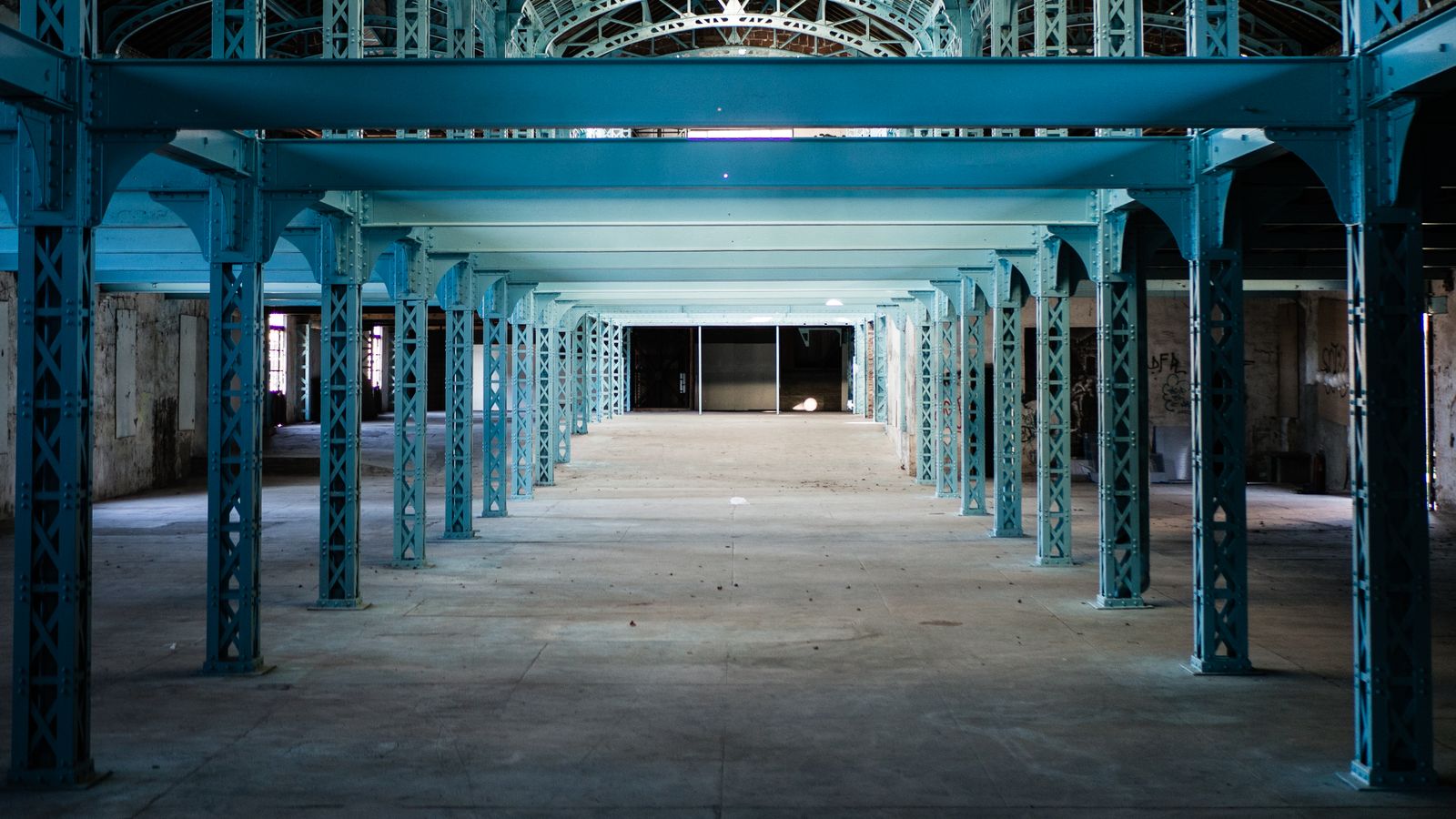
What Chon Thanh ward has that needs flooring
The three parks whose core areas lie in the ward belong to two different generations. Chon Thanh I and II are first-generation parks of the former Binh Phuoc province, with planning approved from 1999; Chon Thanh I covers about 120 ha, Chon Thanh II covers 76 ha and has operated since 2004. Becamex – Binh Phuoc is a much larger Industry – Urban – Service complex, construction of which began in 2015, with industrial land of about 2,400 ha within a complex of more than 4,600 ha; the industrial park sits at the junction of National Routes 13 and 14, about 5 km from the former Chon Thanh town, about 40 km from Dong Xoai and about 80 km from Ho Chi Minh City. Those distances describe the location of the industrial park, not of the whole ward. According to the Binh Phuoc portal, the Becamex complex has attracted more than 50 projects, covering about 2,500 ha with capital of about 1 billion USD — a figure quoted from that source, not updated here into a current figure.
The direct consequence is that flooring demand in Chon Thanh ward falls into two different jobs. The first is recoating, expanding and renewing individual areas inside factories and warehouses that have operated for many years: forklift lanes worn along repeated routes, cracked joints, patches of peeling coating, and dampness seeping in over many rainy seasons. The second is laying new floors for new factories on vacant lots inside the large parks. Zone maps and system choice by industry for the Becamex park are covered in detail in Epoxy Flooring for Becamex – Binh Phuoc Industrial Park (Chon Thanh, Dong Nai): Zone Map and System Choice by Industry; this article only summarises that background and concentrates on what that article does not answer: phased recoating, new floors for vacant lots, and how to get a quote in Chon Thanh ward. For the wider cluster context, see also Epoxy Flooring for Binh Phuoc Industrial Parks: Industries and Common Floor Types.
Choose a system per area, not one system for the whole plant
A common mistake in recoating is to apply the same system across the entire plant. In practice, each area sets a different requirement for its floor, and the system should follow the area. The descriptions below are a general framework, not measurements taken in Chon Thanh ward.
Electronics, electrical equipment and household appliance production areas need a seamless floor that controls dust and is easy to clean, because dust and loose particles affect products and equipment directly. For areas that need a flat, sealed surface, a self-levelling system is usually considered first, while a roller system can serve ancillary areas with lower requirements, provided the concrete underneath is still sound.
Food, foodstuff and agro-forestry processing areas need a seamless floor that is easy to wash and resistant to cleaning chemicals, since water and cleaning solutions contact the floor every day. Here, washability and the sealed quality of the surface matter more than appearance, and every joint and groove must be treated so it does not become a place where water sits and dirt collects.
Warehouses, forklift lanes and loading areas put load-bearing capacity and abrasion resistance first, and also need clear lane markings separating forklifts from pedestrians. Here, the important decision is not only the coating type but also how the substrate is prepared before coating: grinding to create a key, repairing cracks and checking moisture are steps that cannot be skipped if the new coating is to hold up under forklift wheels.
Areas exposed to oil or chemicals in daily operation need a careful survey of surface contamination, because oil soaked into concrete is a common reason a new coating peels early. In such cases, the survey result decides the system more than any catalogue does.
Phased recoating inside an operating plant
The biggest difference between recoating and new construction is that the plant does not stop. The workable method is to divide the floor into zones and work through them one at a time: survey and prepare one zone, coat it and wait until it is fit to return to use, then move to the next. While one zone is closed for work, the remaining zones keep running, and forklift traffic is rerouted temporarily along marked lanes.
Before work starts, the survey must answer three questions: how worn, cracked and damp is the existing floor; what loads and chemicals does the area face in daily operation; and in what time window can the area be closed with the least effect on production. Substrate preparation — grinding, crack repair and moisture checks — usually takes up most of the preparation time, but it is the step that decides how long the new coating lasts. After coating, each zone should be accepted separately before it is handed back for use, rather than accepting the whole plant in one batch at the end, and the maintenance plan should record how to clean the floor, how often to inspect joints, and where to make local repairs when small damage appears.
New floors for new factories on vacant lots
The second job is quite different from recoating: when a new factory is built on a vacant lot inside an industrial park, the floor system is chosen from the start instead of repairing a worn floor. The advantage is that the supplier can advise on the system for the intended industry and each functional area before the concrete is put into service, and can agree the substrate treatment, lane marking and acceptance plan in the same construction programme as the other factory works.
Even for a new floor, a substrate survey remains mandatory: moisture, flatness and concrete quality decide whether the coating will bond well, and any defect in the substrate should be treated before coating rather than covered over. For a new factory, preparing early — from the factory finishing stage — avoids the situation where a floor is already in use before anyone discovers it does not suit forklift loads, cleaning chemicals or the hygiene requirements of the industry.
General supply process: from enquiry to acceptance
The process below is a general supply framework, covering advice, supply and installation of factory and warehouse floors. It applies generally across localities, and this article does not attach it to any specific Kadier location.
The steps are: enquiry and description of the need; survey of the existing floor; advice on a system for each area of use; a quote based on the survey result; phased installation in the agreed zone order for an operating plant, or a new floor installation for a new factory; acceptance of each zone and maintenance guidance. A quote is prepared after a survey, because the area, the floor condition and the use requirements of every factory differ; this article gives no fixed price list.
What to prepare for a quote that reflects the real job
How close a quote comes to the real job depends heavily on the information the buyer prepares in advance. When making an enquiry, prepare:
- The area of each zone to be coated, separating production areas, processing areas, warehouses and forklift lanes, rather than giving only the total factory area.
- Photos and a description of the existing floor: wear along forklift routes, cracked joints, peeling patches, signs of dampness or oil contamination, and the age of the floor if known.
- The industry of use and its specific requirements: hygiene, resistance to cleaning chemicals, forklift load capacity, dust control or appearance.
- The time windows in which each zone can be closed: which production shifts are least affected, and which zones cannot be closed at the same time as others.
- The current cleaning regime: how often the floor is washed, which chemicals are used, and which areas regularly hold standing water.
- For a new floor: the factory finishing schedule and when the substrate will be ready for survey, so the coating programme fits the overall schedule.
With this information, a supplier can advise on a system per area, propose a phased work order, and prepare a quote for the actual scope of work, instead of a generic quote for the whole plant that has to be revised after the survey.
Contact for a quote
To receive a quote after a survey, contact Hotline/Zalo 0899355489 or WeChat wxid_95o54joujyrr12. When contacting, send the information listed above — the area of each zone, photos of the existing floor, use requirements and the time windows in which each zone can be closed — so the quote is prepared for the actual recoating or new-floor scope.
