

 Tiếng Việt
 中文 (中国)
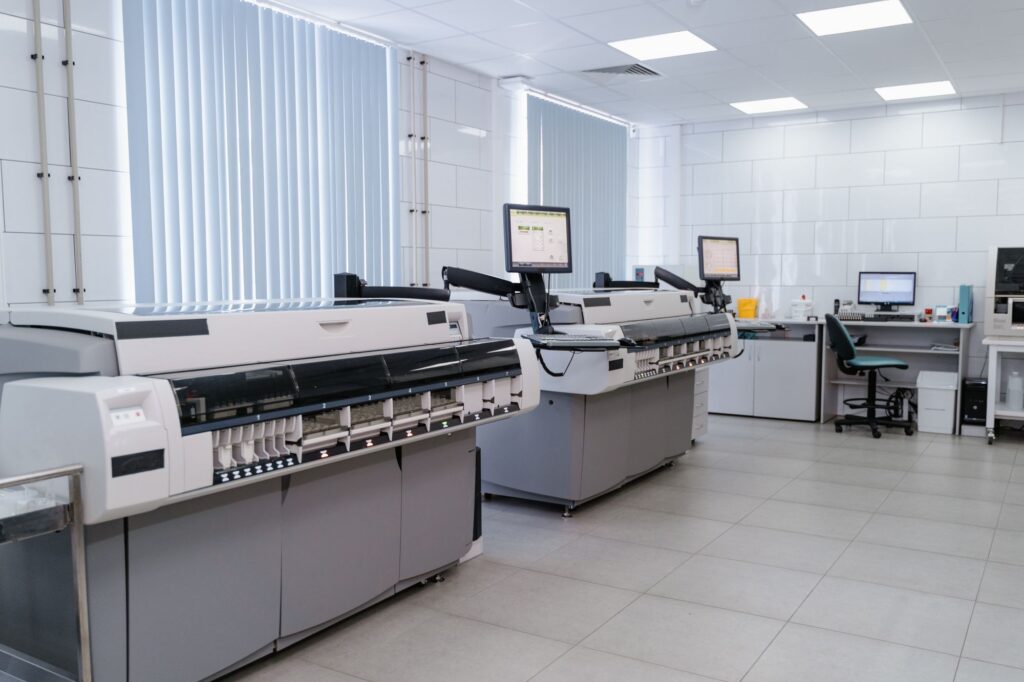
You run a laboratory, a hatchery or a processing and demonstration unit inside the Bac Lieu High-Tech Shrimp Agriculture Zone, and you need one epoxy flooring supplier for a new facility — hygienic floors that resist chemicals and cope with constant damp — instead of stitching together a separate contractor for every functional area. This article answers that question: how to buy first-fit epoxy floors area by area from a single supplier, and what to prepare so the quote you receive matches your actual site.
This article is about the new Hiep Thanh Ward, Ca Mau Province — formed under Resolution 1655/NQ-UBTVQH15, clause 57 of Article 1, from the whole of Nha Mat Ward, Vinh Trach Dong Commune and Hiep Thanh Commune (of the former Bac Lieu City). The Bac Lieu High-Tech Shrimp Agriculture Zone in this article is NOT an industrial park, and it is different from Hiep Thanh Industrial Park in Tay Ninh Province. “Bac Lieu” in the zone name is a historical name from when the zone was established while Bac Lieu Province still existed; the ward today belongs to Ca Mau Province.
Hiep Thanh Ward and the Bac Lieu High-Tech Shrimp Agriculture Zone
The zone was established under Decision 694/QD-TTg of 24/05/2017, Article 2: built in Hiep Thanh Commune, former Bac Lieu City, with a total natural area of 418.91 ha for the whole zone. Because the whole of the former Hiep Thanh Commune now lies inside the new Hiep Thanh Ward under clause 57 above, the zone sits within the new ward. Infrastructure for phases 1 and 2 of the zone is essentially complete, was handed over and put into use in April 2026 and is under warranty; 9 enterprises were selected in 2020, and 5 projects invited in 2026 fall into the demonstration groups for super-intensive shrimp, auxiliary equipment, seed production and feed. At the same time, the zone’s operating arrangements are not yet complete: its two affiliated centres, the Testing Centre and the Research Centre, are not yet operating, and the zone still faces land-law complications and an unresolved operating mechanism. This article states that position plainly, without polishing it: the flooring job here is therefore first-fit work for new facilities and for handed-over areas, not the refurbishment of industrial plants that have run for many years.
The regional industrial-cluster picture for Bac Lieu and Ca Mau is covered in Epoxy Flooring for the Bac Lieu and Ca Mau Industrial Clusters — that is regional context only, not the ward-level buying question, and this article does not repeat it but concentrates on floors for facilities inside the ward’s high-tech agriculture zone.
Choosing a system by facility type: laboratory, hatchery and processing, demonstration
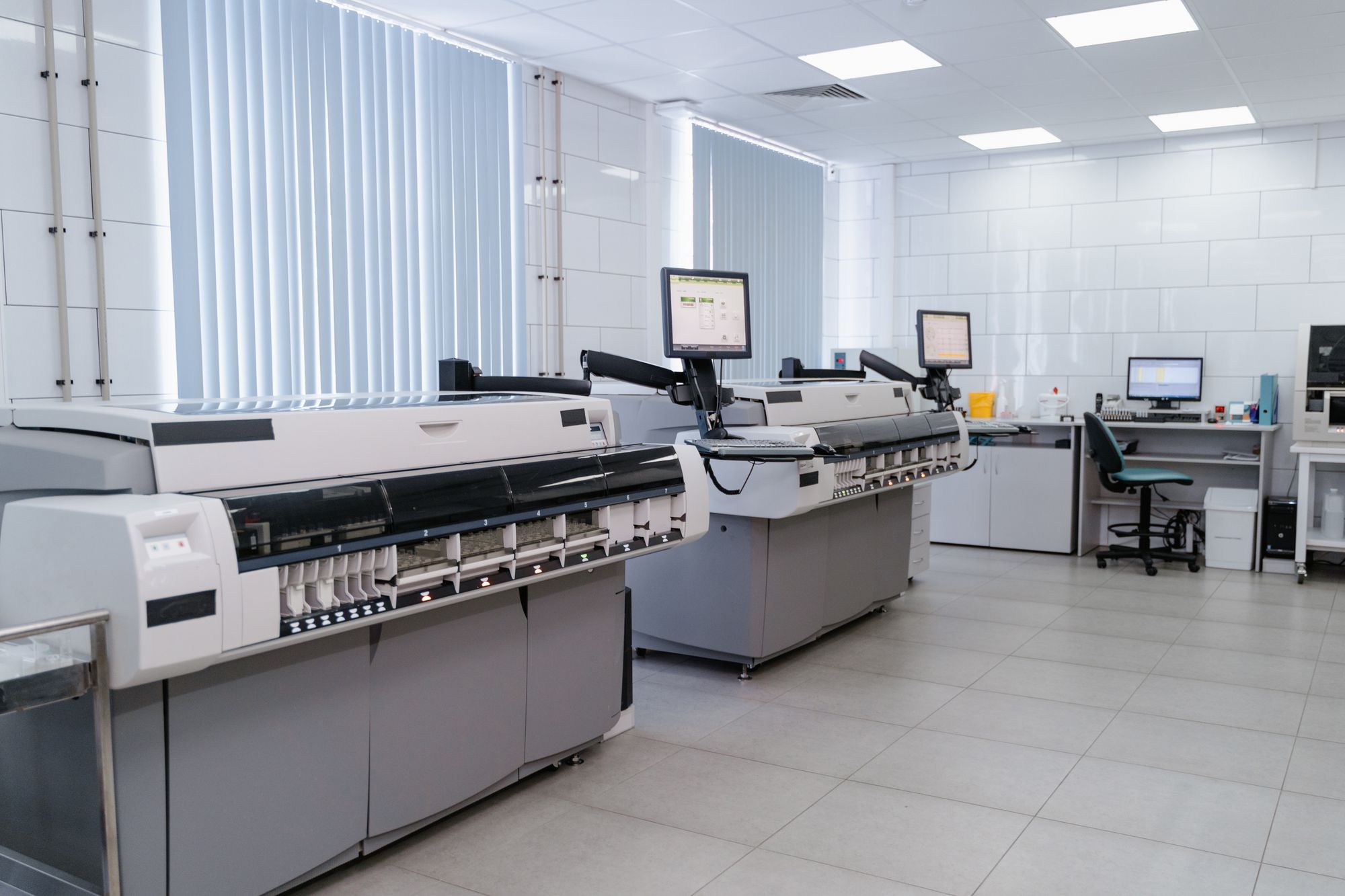
For a laboratory and testing area, the floor must first be hygienic and chemical-resistant: a seamless surface that is easy to wash down, leaves no cracks where cleaning chemicals or spilled samples can lodge, and stays level under analytical equipment. A self-levelling system usually suits laboratory areas that need a high, seamless plane, while a roller system suits larger ancillary areas; both start with concrete preparation — grinding, crack repair and moisture measurement — before coating, because an unrepaired crack becomes a dirt trap in exactly the area that most needs to stay clean.
For a hatchery, constant damp joins the brief: process water, high humidity and repeated washdowns demand resistance to moisture ingress and slip resistance on walkways. The system must be chosen area by area rather than as one system for the whole facility: wet areas take a moisture-tolerant, slip-resistant system, dry areas take a standard roller system, and the transition between them is treated separately so it creates neither a trip edge nor a puddle line.
For a processing and demonstration area, the floor must carry trolley loads, cleaning chemicals and food-hygiene requirements at once: seamless, chemical-resistant, moisture-tolerant and slip-resistant in wet areas. The seafood wet-zone type is discussed as context in Epoxy Flooring for Song Hau Industrial Park (Chau Thanh, Can Tho): Seafood Wet Zones, Cold Storage and Refurbishment of Operating Plants on Low-Lying Ground — a different industrial park in a different province, cited only for the wet-zone type, not the same entity as the Bac Lieu High-Tech Shrimp Agriculture Zone in this article. This article says nothing about shrimp farming technique; every section above is about facility floors, not stocking density, feed or seed specifics.
First-fit floors for a new facility in the zone
First-fit work starts with a survey of the handed-over slab: moisture is measured and cracks, delamination and ponding points are recorded before any system is chosen, because a handed-over slab is not uniform across functional areas. After preparation, the system is selected per area — laboratory, hatchery, processing, ancillary storage — and each area is coated in turn, so a finished area can be handed over and accepted before work moves on. Acceptance checks thickness at several points, flatness, adhesion and slip resistance in wet areas, with maintenance guidance after handover. This sequence avoids the classic first-fit error of coating the whole site in a single system and only then discovering that a wet area fails the hygiene or chemical-resistance requirement.
Regional context on industries and common floor types is available in Epoxy Flooring for the Can Tho Cluster and the Central Mekong Delta, Epoxy Flooring for Hung Phu Industrial Park, Can Tho: Common Industries and Floor Types and Epoxy Flooring for Thot Not Industrial Park (Can Tho City): Common Industries and Floor Types — all three are regional context only and do not replace a survey of your own facility in the zone at Hiep Thanh Ward.
Kadier’s general supply process
Kadier’s general supply process runs in this order: contact, site survey, system advice for each functional area, quotation, coating area by area, then acceptance and maintenance guidance. This framework applies generally and is not tied to any particular location, and every figure in a quotation is drawn up only after a real survey — this article gives no price figure of any kind.
What to prepare for a realistic quote
To avoid repeated revisions to a quotation, a facility should prepare the following in advance:
- Facility type: laboratory, hatchery or processing and demonstration unit, and what each area inside it is used for.
- Area of each functional zone, split by zone rather than given as a single site total.
- Existing slab type and visible defects: handed-over concrete or older slab, cracks, delamination, damp or ponding points.
- Hygiene, chemical-resistance, moisture-tolerance and slip-resistance requirements for each area, stated separately for wet and dry areas.
- Time windows in which each area can be coated, so the area-by-area programme can be fixed in the quotation itself.
- Desired handover date, so acceptance and handover of each area can be agreed before coating starts.
The closer these six items are to reality, the fewer adjustments a quotation needs after survey, and the better the coating programme fits the facility’s actual operation.
Contact for a quote
For advice and a quotation after survey, contact Kadier through its general channels: Hotline 0899355489, Zalo 0899355489, WeChat wxid_95o54joujyrr12.
