

 Tiếng Việt
 中文 (中国)
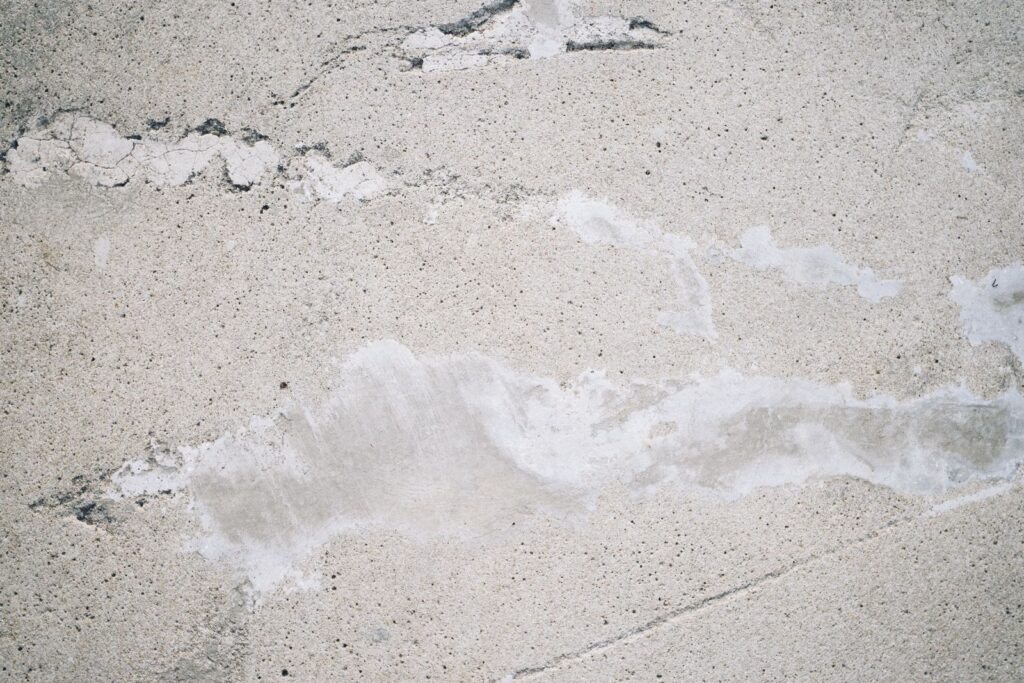
An epoxy floor that was performing well suddenly peeling in patches, blistering, or showing discolored patches is a sign that the coating system or the substrate beneath it has a problem. These three problems are often treated the same way: scrape off the damaged area and recoat it. That approach only lasts when the root cause has been found, because a new coat applied over a substrate that is still damp, still contaminated, or still weak will fail again in exactly the same spot.
This article presents the general characteristics of epoxy flooring in general and the common causes of the three problems above, together with remedies for each case. The technical specifications specific to each Kadier system apply only in accordance with the official technical documentation of the manufacturer when available; this article does not state any unconfirmed system-specific specifications. Standards such as TCVN 9014:2011 and TCVN 12574-2018 are used as general reference bases when assessing materials and installation, and do not replace a site survey of each individual project.
1. Peeling: the coating separates from the substrate
Peeling is when the epoxy layer separates from the concrete, either peeling off in large patches or blistering slightly and then breaking apart under vehicle traffic. Signs to look for are a hollow sound when tapped, edges of the coating curling up, or pieces of coating coming away to expose the concrete substrate beneath.
Common causes:
- The concrete substrate is still damp or is affected by moisture rising from below. Moisture trapped under a sealed coating will break the adhesive bond over time.
- Inadequate substrate preparation: the surface still has dust, oil or grease, a weak cement layer, or an old coating that has not been ground off, so the primer cannot bond to sound concrete.
- A weak, porous, or cracked concrete substrate that has not been repaired and reinforced before coating.
- Application while the substrate is not old enough or not dry enough, or where the primer and the topcoat are not compatible with each other.
Remedies: First, determine the extent of the peeling and its cause. Tap around the damaged area to find how far the detached edge extends, measure the moisture content of the substrate, and check for signs of rising moisture. For localized peeling, scrape back to the part that is still firmly bonded, re-prepare the substrate (grinding, repair, cleaning), and then recoat with the correct system of coats from primer to topcoat. If peeling is widespread across the floor, the cause usually lies in the substrate or in the primer coat, in which case coating over the top will not solve it and the old system needs to be removed so the work can be redone from the substrate. For details on substrate preparation, see Concrete Floor Preparation Before Epoxy Coating.
2. Bubbling: blisters forming on the surface
Bubbling appears as round blisters on the surface, containing air or moisture inside. Blisters may appear immediately after application or after a period of use, and usually break open into holes under load.
Common causes:
- Moisture or air escaping from the concrete while the coating is curing, trapped under the paint film.
- Application while the substrate is hot or while the temperature is changing sharply during the day, causing air in the concrete to expand and push the paint film up.
- Rolling or pouring the coating too thick in a single pass, so that air bubbles cannot escape before the surface skins over.
- Mixing that introduces a large amount of air bubbles without a suitable de-aeration step.
Remedies: Small, sparse blisters that are not spreading can be repaired locally once it has been confirmed that the substrate beneath is dry and stable. Dense, widespread blistering, or blistering that returns after patching, is a sign that the moisture or air-release problem has not been resolved, and the substrate needs a thorough survey before recoating. Simply puncturing a blister and coating over it usually only hides the problem temporarily, because the moisture is still underneath and will push the new coat up again.
3. Discoloration and fading: patchy, yellowing, or faded surfaces
Discoloration means stains, streaks, or patches of changed color on the surface. Fading means the overall color gradually becomes paler or turns yellow over time. These two phenomena have different causes, so they call for different remedies.
Common causes:
- Chemical spills, oil or grease, or strong cleaning agents left on the surface for a long time without being wiped off promptly.
- Direct sunlight: epoxy in general tends to yellow and fade when exposed to sun for a long time, so outdoor areas or areas near large skylights call for a suitable coating system to be considered.
- Tire marks, shoe marks, and dirt accumulated over a long time on a worn topcoat.
- A topcoat that is too thin or has worn down to the coat below, exposing an uneven base color.
Remedies: Fresh chemical stains need to be cleaned, and any cleaning agent should be tested on a hidden corner before large-scale treatment, to avoid the cleaner damaging the surface further. Discoloration caused by a worn coating, or widespread yellowing, usually requires recoating the topcoat after cleaning and light grinding. For outdoor areas or areas exposed to a lot of sun, the coating system needs to be chosen from the start according to the actual conditions of use, rather than only fixing the color after it has faded.
4. Quick reference: symptom, possible cause, remedy
| Symptom | Possible cause | Remedy |
|---|---|---|
| Peeling in patches, exposing the concrete substrate | Damp substrate, rising moisture, inadequate substrate preparation, weak substrate | Measure moisture, check for rising damp, scrape back to the firmly bonded part, re-prepare the substrate and recoat; widespread peeling calls for removing the old system and redoing the work from the substrate |
| Round blisters, breaking open into holes | Air and moisture escaping from the concrete, hot substrate, coating applied too thick in one pass | Confirm the substrate is dry and stable before local patching; widespread blistering calls for a new substrate survey before recoating |
| Patchy discoloration, chemical streaks | Chemicals, oil or grease, strong cleaners left on the surface | Clean promptly, test cleaning agents in a hidden corner; discoloration from wear calls for cleaning and recoating the topcoat |
| Widespread yellowing and fading | Prolonged direct sunlight, worn topcoat | Recoat the topcoat; outdoor areas need a coating system chosen for sun exposure from the start |
5. When to repair locally, and when to redo the whole floor?
Local repair suits cases where the damage is confined to a few spots, the substrate beneath is still sound and dry, and the cause is clear. Redoing the whole floor should be considered when peeling or blistering is widespread, when the substrate has an unresolved moisture or rising-damp problem, or when the topcoat has worn evenly across the whole floor. This decision should be based on an actual site survey: measuring moisture, tapping to check adhesion, and reviewing the history of floor use, rather than only looking at the surface.
In all cases, the step that should not be skipped is preparing the substrate before recoating. The general process from survey to acceptance is presented in Standard Epoxy Flooring Installation Process, from Survey to Handover, and keeping the floor in good condition after repair is covered in Epoxy Floor Maintenance and Cleaning Done Right.
6. Prevention from the start: three factors that decide durability
First, survey the substrate thoroughly: moisture content, soundness, cracks, and signs of damp. Second, prepare the substrate to the right level: grind down to sound concrete, repair cracks, and remove oil, grease, and dust before priming. Third, choose the coating system according to the actual conditions of use of that area, for example the roller-applied RollCoat system for ordinary areas or the self-leveling LevelFlow system for floors that need high flatness and thickness. A system suited to a dry warehouse is not necessarily suited to a damp area or a sun-exposed area, and vice versa.
If the floor of your factory or warehouse is peeling, blistering, or discolored and the cause is not yet clear, describe the symptoms, the location, and when they appeared, so that a survey can be arranged and a suitable remedy advised. Get consultation
Illustration: Anna Tarazevich / Pexels. This is a general illustration of a cracked concrete surface, not a photo of an actual project.
