

 Tiếng Việt
 中文 (中国)
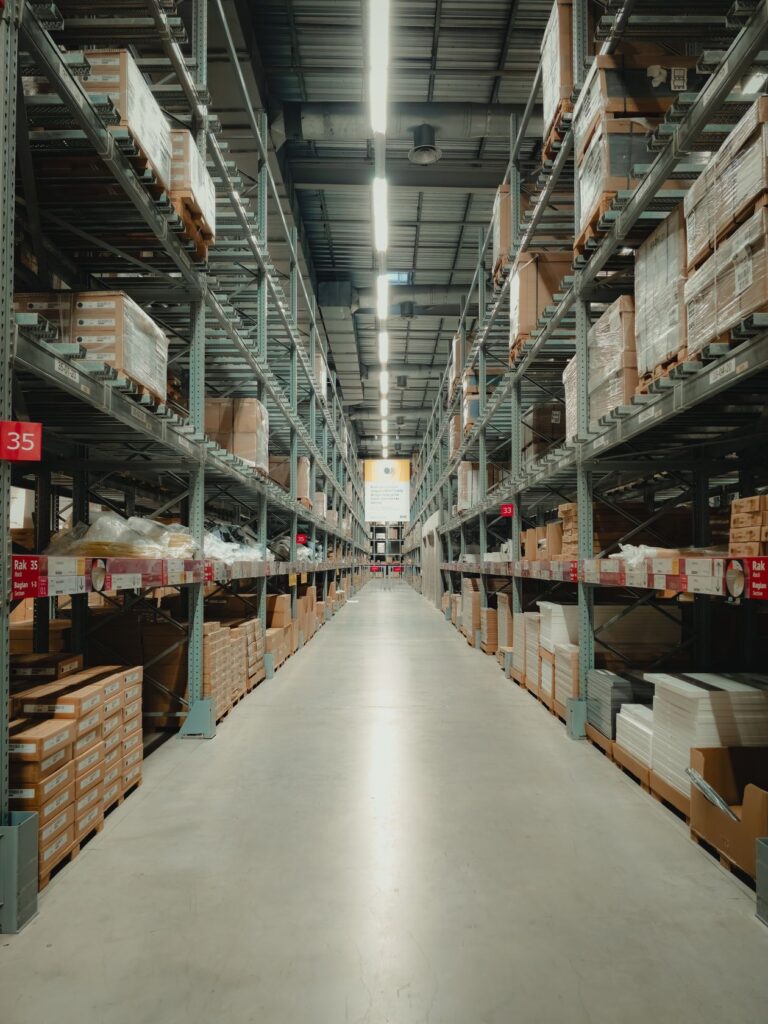
Thot Not Industrial Park sits at the northern gateway of Can Tho City, beside the Hau River and close to National Highway 91. According to the city’s table of operating industrial zones and clusters as of August 2025, the park’s current planned area is 74.87 hectares, of which 53.84 hectares is leasable land and 46.98 hectares has been leased — an occupancy rate of 87% — while infrastructure is about 55% complete. That combination describes the park’s floor problem accurately: Thot Not is neither an empty site waiting for first-time construction nor an old park long since full, but a park operating and expanding at the same time, with running factories needing phased retrofit, new workshops needing floors that meet standard from day one, and leased factories and warehouses needing floors that survive successive tenants.
Read the area figure carefully — do not use the old number: the figure of 600 hectares still circulating online for Thot Not Industrial Park is the original, much wider plan, not the park’s current area. Under an adjustment in 2021 the planned area was cut from 600 hectares to 200 hectares and relocated to the Thoi Thuan area; only the land already cleared, with existing secondary investors, was then retained, giving the current planned area of about 74.87 hectares in the August 2025 city table. Every figure in this article uses 74.87 hectares for the park today; the 600-hectare figure is never used as the park’s area. This article also makes no claim that Kadier has carried out work at any specific factory or company in the park.
Unlike the overview of the Can Tho and central Mekong Delta cluster, which covers seafood processing, cold chain and rice and fruit processing across the whole cluster, this article covers one park only: which industries are in Thot Not, what each functional zone’s floor must do, what its northern-gateway position means for warehouse and logistics floors, and how new plants and running plants in the same park need different work sequences.
A northern-gateway position: road freight meets river freight on the warehouse floor
Thot Not’s first advantage is where two freight flows meet. By road, National Highway 91 links the park south to central Can Tho City and north to the Long Xuyen and An Giang area, so trucks and container vehicles move in and out daily. By water, the park’s eastern side faces the Hau River, and the nearby Tan Cang–Thot Not port serves rice, aquatic products and animal feed cargo from Can Tho and neighbouring provinces. For a factory in the park, that means the warehouse, loading yard and forklift aisles are not a side item: road cargo and river cargo meet on the warehouse floor, and those are the surfaces that take the heaviest continuous wear in the whole plant.
The direct consequence is that every floor brief in Thot Not has two parts. The production part asks about flatness, cleanliness and resistance to chemicals, oil and grease or static, depending on the industry. The logistics part asks about abrasion resistance, anti-slip at forklift turning points and loading bays, marked lanes separating pedestrians from forklifts, and phased work so a running warehouse does not have to shut for days. A floor that looks perfect in the production hall but peels in the loading yard is still a failed floor, because goods pass over it every day.
Industries and common floor types in Thot Not Industrial Park
Food and agricultural processing and animal feed: separate the wet zone from the dry zone
Food, agricultural and frozen aquatic processing, livestock and poultry processing and canning are among the park’s investment directions, tied to the Mekong Delta’s raw-material base and the cargo flow through the nearby port. But inside one plant, the wet zone and the dry zone are two different floor problems and should not share one answer. Receiving, preparation and washing areas need a seamless surface with no joints holding water and residue, resistance to water and mild cleaning chemicals, anti-slip and good drainage. Animal-feed and dry raw-material areas are the opposite: dry material dust, machine loads and internal forklifts, needing low dust retention, even abrasion resistance and easy end-of-shift cleaning. Dry warehouses and forklift aisles can use the RollCoat roller system, while areas needing higher cleanliness, absolute flatness and easy cleaning should consider the LevelFlow self-leveling system. Where odour matters or an area sits close to food packing, the water-based, low-VOC AquaBase system is worth considering, after checking chemical resistance and load for each zone before deciding.
Textiles and footwear: fabric dust, lint and a low-dust floor
Textiles and footwear are characteristic industries of the park, and their floors have a particular enemy: fabric dust, lint and cutting dust. Cutting, sewing and finishing halls need a flat, seamless floor that holds little dust and is easy to clean at the end of a shift, because dust lifting from a peeling floor lands visibly on fabric and finished goods. Fabric stores and finished-goods warehouses need a floor that carries stacked goods steadily, without local settlement that topples pallets, and trolley and forklift routes need a smooth, even surface. The packing area, where finished goods pass for the last time, should prioritise a clean, low-dust, easy-to-clean surface over hardness alone. A common zone split here is a roller system for aisles and warehouses combined with a self-leveling system for higher-cleanliness areas, with marked lanes separating incoming fabric flows from outgoing finished goods right on the floor.
Mechanics, assembly and components: concentrated loads, oil and metal swarf
Mechanical assembly, parts and component manufacturing places the heaviest demands on floors in Thot Not. Machine positions need high flatness so machines do not vibrate out of alignment, machine feet and forklift turning points need concentrated-load resistance, and the surface must stand up to spilled oil and metal swarf during machining. Before coating, a mechanical workshop floor must be ground back to sound concrete, old oil treated by its own procedure, and cracks filled with a compatible material — coating over an oily floor without treatment means the new coat peels with the old oil. Once the substrate is stable, a self-leveling system gives the flatness and seamless finish that machine areas need, while aisles and parts stores can use a roller system with lane marking and anti-slip additive. For a running workshop, work in sections is mandatory: finish one zone and hand it over before starting the next, rather than stopping all production for one floor.
Electrical, electronics and component assembly: flat, low-dust, anti-static only where required
Electrical, electronics and high-tech component production needs a flat, seamless, low-dust, easy-to-clean floor, because dust from a peeling floor can directly affect products and equipment. Static-control requirements in this group do not come from a general table: each investor has its own rules, and only on-site measurement can show which zones truly need it. Anti-static measures are therefore confined to the zones that are actually required, with earthing and a measurement record under the investor’s rules, and are not spread across the whole plant. Within the zones so defined, the StatGuard system is the option considered for exactly those zones, rather than applying an anti-static standard to the whole factory and raising costs in areas that do not need it.
Consumer goods, handicrafts and leased warehouses: floors that survive tenant changeover
Consumer-goods and handicraft production, together with the park’s growing factory and warehouse leasing activity, places a less-discussed demand on floors: durability across successive tenants and different goods. A leased warehouse floor that holds light consumer goods today may hold heavier pallets and larger forklifts tomorrow, so warehouse floors need steady abrasion resistance, anti-slip on walkways and loading points, and easy local repair when one zone fails without redoing the whole warehouse. That is also why a roller system with lane marking is often chosen for warehouses and aisles: local repair is fast, lanes are clearly marked, and redoing one lane costs far less than redoing the whole warehouse floor.
New plants and running plants in one park: two different sequences
An occupancy rate of 87% alongside infrastructure about 55% complete means Thot Not holds both kinds of building at once. A new plant starts from new concrete: the advantage is no oil contamination and no load cracking yet, but two requirements of its own apply — waiting for the concrete to reach sufficient age and dryness before coating, and measuring riverside ground moisture before choosing a primer. Coating in a hurry over new concrete that is still damp is the fastest way to blistering after the first rainy season, even if the floor looks perfect at handover. A running plant starts from the opposite point: old concrete, cracked joints, oil and a peeling old coat, so retrofit work usually needs deeper grinding, more thorough crack treatment and work in sections so production never fully stops. Acceptance for both groups covers thickness checks at many points, forklift and turning tests at load points, peeling checks, ponding checks and sufficient curing time before operation.
The riverside ground condition is shared across the park. River-region ground has naturally high moisture, and ground moisture is the number-one blistering risk: moisture vapour pushes the coating off the concrete, especially after the first rainy season. The procedure for Thot Not therefore always includes ground-moisture measurement, settlement and crack checks, and a moisture-barrier primer when moisture exceeds the chosen coating system’s permitted threshold. Coating over ground that is still settling or still damp only moves the failure a few months later, at a higher repair cost.
System selection by functional zone
The rule remains: divide into zones first, choose systems second. General production areas, wide aisles and dry warehouses use a roller system, with lane marking and anti-slip at forklift turning points. Areas needing high cleanliness, absolute flatness and easy cleaning — wet processing zones, precision machine areas, clean packing areas — should consider a self-leveling system. Odour-sensitive areas or areas close to food packing should consider a water-based, low-VOC system, after checking chemical resistance and load. Electronics assembly and quality-check areas with a static-control requirement under the investor’s own rules get an anti-static system confined to exactly those zones, with earthing and measurement. There is no single system for a whole factory; a factory that uses one system for its wet zone, dry zone, machine area and warehouse will leave at least one zone below standard.
Frequently asked questions
What is the current area of Thot Not Industrial Park, and why do some sources still say 600 hectares?
The park’s current planned area is 74.87 hectares according to the city’s August 2025 table. The 600-hectare figure is the original wider plan, cut to 200 hectares in 2021 and then reduced to the cleared land with existing secondary investors. When a source says 600 hectares, check whether it is quoting the old plan or the current area — the two figures belong to different scopes.
How does a wet processing floor differ from a dry animal-feed floor?
A wet zone prioritises a seamless surface, resistance to water and mild cleaning chemicals, anti-slip and good drainage. A dry zone prioritises low dust retention, abrasion resistance and easy cleaning. Using one system for both zones without dividing them leaves one zone below standard.
Can a running factory in the park be coated without stopping production?
Yes, with work in sections: grind and treat one zone, coat it and hand it over, while the other zones keep running. Each zone’s substrate must be sound, with cracks and oil treated and moisture within requirements before coating. If the ground is settling, cracks are spreading or moisture is high and untreated, a new coat only covers the problem temporarily and will peel again.
Does an electronics area in a factory need anti-static flooring throughout?
No. Only zones with a static-control requirement under the investor’s own rules need it, and on-site measurement must define those zones. Spreading anti-static coating across the whole factory raises costs without improving quality in areas that do not need it.
How is an epoxy flooring quote for Thot Not Industrial Park calculated?
Kadier quotes after an on-site survey, based on area, substrate condition, the system for each zone — especially wet zones, machine areas and logistics warehouses — and the phased schedule if the factory is running. This article gives no specific prices, because prices circulating online are not Kadier prices and do not reflect any individual factory’s substrate condition.
For advice and a quote: send the factory or warehouse location in Thot Not Industrial Park, the production industry, the area and whether the wet zone, machine area or warehouse needs coating via the quote page or the contact page. Direct contact: hotline/Zalo 0899355489, WeChat wxid_95o54joujyrr12. Illustration: Pexels stock photo (photo ID 24862481), a general illustration of a warehouse aisle and factory floor, not a Kadier project.
