

 Tiếng Việt
 中文 (中国)
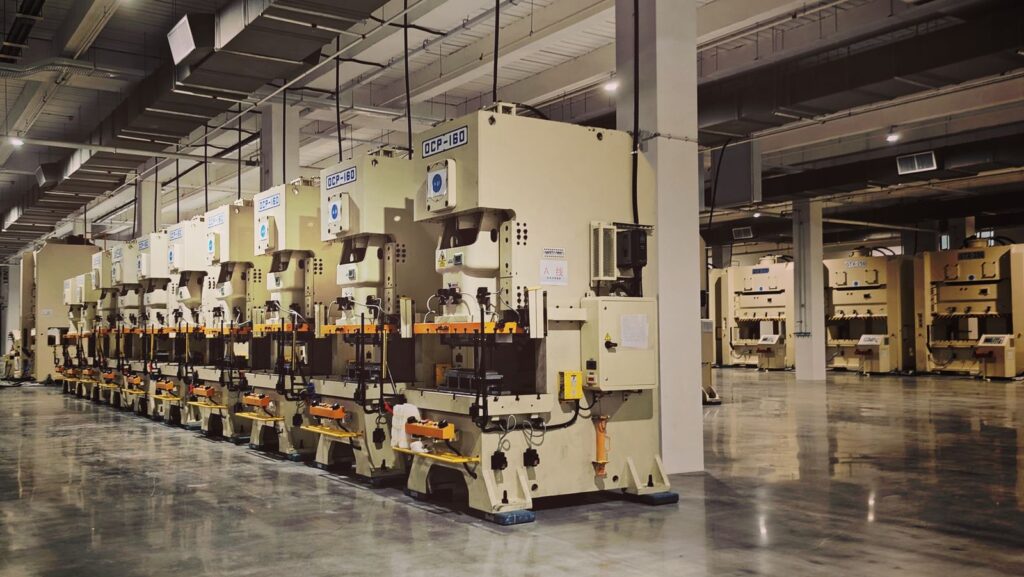
This article focuses on one specific angle: floors exposed to oil, grease and light chemicals, considered in terms of impermeability, stain resistance and ease of cleaning. This angle differs from the article on mechanical workshops in general, which covers load-bearing and machining as a whole, and differs from the article on heavy chemical plants, where concentrated chemicals and strong corrosion are the main pressure. Here, the main pressure is oil and grease spilled every day and light chemicals used in operation and cleaning — substances that do not destroy a floor immediately but accumulate as stains, slipperiness and odour if the floor is not suitable.
Featured image: Mazhar Ulazhar on Pexels.
How do oil, grease and light chemicals damage a floor?
Oil and grease spilled from machinery, forklifts, trucks and maintenance work tend to spread thinly, cling to the surface and seep into the joints and seams of a floor. On raw concrete or tiled floors with joints, oil soaks deep and leaves stains that are hard to remove; over time, the areas around machinery and vehicle routes become dark, slippery and smelly. On a seamless epoxy floor surface that is, by the general nature of the material, low in permeability, oil and grease usually stay on the surface, are easy to contain and can be wiped clean if dealt with promptly.
Light chemicals in this group include diluted cleaning agents used for daily cleaning, coolants, small leaks of hydraulic oil and substances used in routine maintenance. Each type interacts with the coating to a different degree, and contact time is the deciding factor: an oil stain wiped within the same shift is quite different from an oil stain left to soak for many days. An assessment of an oil- and grease-resistant floor must therefore be tied to the actual cleaning routine, not only to the name of the coating.
Qualitative table: area, type of soiling and floor requirements
The table below is qualitative only, helping investors picture requirements by area. The table gives no concentrations, contact times or numerical values, because such values are only meaningful when checked against the official TDS of the exact coating system to be applied and the actual chemical list of the facility.
| Area | Common type of soiling | Main floor requirement | Cleaning approach |
|---|---|---|---|
| Around machinery and in maintenance areas | Spilled oil and grease, small hydraulic oil leaks | Seamless, low permeability, easy to contain stains | Wipe up and collect within the same shift, preventing oil from spreading |
| Forklift and trolley routes | Oil tracks from wheels, dirt carried along with oil | Wear-resistant along tracks, not slippery under a thin film of oil | Sweep away debris first, then wipe oil tracks along vehicle routes |
| Equipment washing and cleaning areas | Mild cleaning agents, wash water mixed with diluted oil | Impermeable, well drained, no standing pools | Wash in the direction of drainage, checking for points where water pools |
| Storage areas for materials and spare parts | Preservation oil, slowly accumulating dust | Low dust retention, easy to sweep and wipe regularly | Clean regularly by area, without waiting for stains to spread |
Impermeability and stain resistance: two different properties
Impermeability means that liquids struggle to soak through the coating down into the concrete base. Stain resistance means that dirt struggles to cling to the surface and is easy to wipe away. A floor can be highly impermeable yet still stain if its surface is rough and not cleaned promptly; conversely, a glossy, low-adhesion surface with a crack will let oil seep through the crack down to the base. When choosing a floor for oil and grease exposure, both points therefore need checking: whether the coating is seamless and low in permeability, and whether the surface is easy to wipe clean after each shift.
Anti-slip roughness also needs balancing against cleanability. A very rough floor helps prevent slipping under a thin film of oil but traps oil and dust in its texture, making it hard to wipe clean. A very glossy floor is easy to clean but more slippery when oil is present. The right roughness depends on the actual extent of oil spillage and the cleaning frequency of each area; there is no single roughness level for every workshop.
Choosing a coating system by oil- and grease-exposed area
Areas with light oil and grease and frequent cleaning: a roller-applied system such as RollCoat is often considered because it is easy to apply over large areas and easy to repair locally when an area becomes stained or worn.
Areas needing a flat, seamless floor and deep cleaning: a self-levelling system such as LevelFlow creates an even, flat surface, limits points where oil can pool and makes floor washing convenient.
Areas inside an operating plant where odour must be limited: a water-based system such as AquaBase is considered for the general characteristic of water-based lines of low VOC. The specific VOC level and the oil- and grease-resistance of the particular Kadier product must be checked against the official TDS.
Areas exposed to concentrated chemicals, strong acids or strong alkalis are outside the scope of this article; such areas should be assessed under the article on chemical plants and the chemical-resistance table in the TDS, rather than under this light-chemical framework.
Cleaning oil-contaminated floors: early action matters most
The most important principle is to deal with an oil spill as soon as it is found, before oil spreads on shoe soles and wheels across the workshop. Oil-absorbent materials should be kept ready around machinery and maintenance areas, rather than leaving the cleaning team to look for them after the spill has already spread. After the oil has been collected, the floor should be wiped with a cleaning agent suited to the coating system; using an unsuitable cleaning agent can dull the coating or reduce its service life over time.
Over the long term, recurring stain points should be monitored: if the same spot keeps showing oil tracks despite correct cleaning, the cause may be a machine leak or a coating at that spot that has degraded and needs local repair, rather than a cleaning routine that is not thorough enough.
Conclusion
A floor exposed to oil, grease and light chemicals needs above all to be seamless, low in permeability, stain-resistant and easy to clean within the same shift. This article keeps to that angle, distinguishing it from mechanical workshops in general and from heavy chemical plants, and keeps the table at a qualitative level. The resistance of a particular Kadier coating system to each oil and light chemical should only be confirmed after checking the official TDS and the actual chemical list of the facility.
Request a consultation on oil-, grease- and light-chemical-resistant flooring solutions, including a survey of spill areas and the actual cleaning routine at your facility.
