

 Tiếng Việt
 中文 (中国)
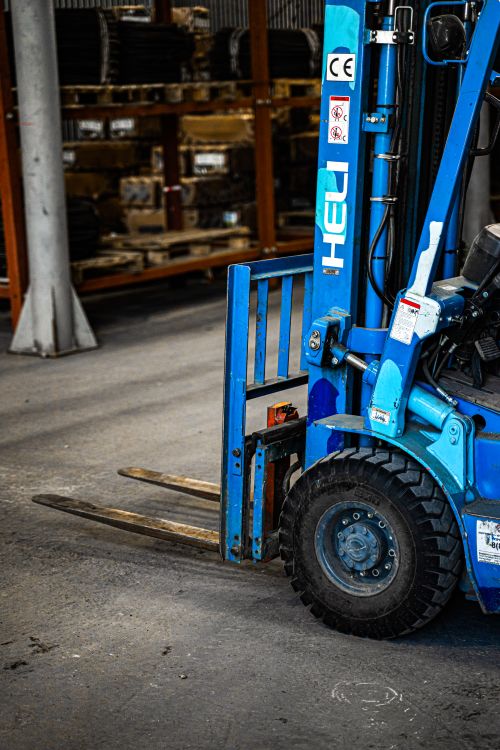
The Southeast region is one of the largest epoxy flooring markets for factories in the country, but not because every cluster is alike. On the contrary, the region is large precisely because each cluster poses a different flooring problem: renovating old floors in the core area, FDI-standard and electrostatic-control floors in the northern satellite area, new floors and chemical-resistant floors around the airport and ports, heavy-load floors in the deep-water port cluster, and border-gate and supporting floors in the west. This article is a regional overview: it compares clusters and helps investors choose a cluster and a coating system, without repeating the detail of each cluster article.
Administrative note: from 01/07/2025, the former names Binh Duong, Ba Ria – Vung Tau, Long An and Binh Phuoc in this article are only familiar geographic area names; in current administrative terms, these areas belong respectively to Ho Chi Minh City, Ho Chi Minh City, Tay Ninh and Dong Nai. The new Ho Chi Minh City also comprises the former Ho Chi Minh City, Binh Duong and Ba Ria – Vung Tau; the new Dong Nai comprises the former Dong Nai and Binh Phuoc; and the new Tay Ninh comprises the former Tay Ninh and Long An. More generally, old province names in this article are geographic cluster names only, not current administrative units: the new Ho Chi Minh City comprises the former Ho Chi Minh City, Binh Duong and Ba Ria – Vung Tau; the new Tay Ninh comprises the former Tay Ninh and Long An; the new Dong Nai comprises the former Dong Nai and Binh Phuoc; the new Dong Thap comprises the former Dong Thap and Tien Giang; the new Vinh Long comprises the former Vinh Long, Ben Tre and Tra Vinh; and the new Can Tho City comprises the former Can Tho, Soc Trang and Hau Giang.
Quick comparison table of Southeast clusters
| Cluster | Leading industries | Main flooring problem |
|---|---|---|
| Ho Chi Minh City and vicinity | Components, electronics, textiles, logistics and high technology | Renovating old floors, application in sections without stopping production, localised slab settlement in riverside areas |
| Former Binh Duong (now part of Ho Chi Minh City) | Electronics, precision engineering, pharmaceuticals, food and rail logistics | FDI standards, flat floors, electrostatic control and heavy-load warehouses tied to inland container depots |
| Dong Nai | Electronics, heavy industry, chemicals, dyeing textiles and air logistics | New factory floors, heavy chemical resistance and heavy-load warehouses around the airport |
| Phu My, Cai Mep (now part of Ho Chi Minh City) | Heavy industry, chemicals, steel, building materials and container ports | Container loads, chemical resistance, marine environment and outdoor zones needing a protective topcoat |
| Tay Ninh and former Long An (now both part of Tay Ninh) | Textiles, footwear, rubber, electronics, supporting industries, pharmaceuticals and warehousing | Border-gate and river-port warehouses, filled-ground slabs, clean floors for pharmaceuticals and heavy-load warehouse floors |
The table above only summarises each cluster in a few lines for comparison. The detail of each cluster’s industries, industrial parks and application conditions sits in its own cluster article; this overview does not copy those passages, but focuses on the shared selection framework for the whole region.
Choosing a cluster by industry: four deciding questions
For electronics and precision engineering needing flat floors and electrostatic control, the northern satellite cluster with FDI standards is the right starting point. For chemicals and heavy industry needing chemical resistance and extreme loads, the deep-water port cluster and the Nhon Trach chemical cluster are the two directions to consider first. For air logistics needing heavy-load warehouses near the airport, the Long Thanh corridor is the focus. For renovating an old workshop in an urban area needing work without stopping production, the Ho Chi Minh City core is the most distinctive problem. For border gates and supporting industries needing border-trade or river-port warehouses, the new Tay Ninh pole is the right direction.
The region’s role also explains why demand is so varied. According to a 2026 source from the Vietnam Economic Forum, the region contributes about 40% of the national budget and attracts more than 40% of the country’s FDI, with Saigon Port and Cai Mep – Thi Vai, Tan Son Nhat Airport and an expanding ring-road network. FDI, ports, airports and ring roads do not only create new factories, but also logistics warehouses, port warehouses and supporting workshops, each with its own flooring standard.
Choosing a coating system by function, not by locality
A common mistake when choosing a contractor by region is thinking each locality has its own coating system. In reality, a coating system is chosen by the function of each zone inside the workshop, wherever that workshop sits. Heavy-load zones and forklift aisles need a wear-resistant, slip-resistant system with lane markings. Electronics zones need flatness, cleanliness and possibly electrostatic control with the StatGuard system. Chemical zones need chemical resistance per the manufacturer’s tables; an ordinary system cannot simply be expected to withstand them. Cold-storage zones need a system confirmed for low temperatures in the manufacturer’s documentation. Outdoor or semi-outdoor zones need a UV-protective topcoat.
Within that framework, the RollCoat roller system suits large areas, medium to heavy loads and fast application; the LevelFlow self-levelling system suits zones demanding absolute flatness, cleanrooms and food areas; and the AquaBase water-based system suits odour-sensitive zones and plants that stay in operation. Choosing a system means choosing by zone, not by cluster name.
Three mistakes when choosing a contractor on cheap price
The first mistake is skipping moisture measurement and slab surveys. Damp slabs, settling slabs and old oil and grease are the three leading causes of peeling, and no cheap coat of paint can compensate for an untreated slab. The second mistake is choosing the wrong system: using a roller system where self-levelling is needed, using an ordinary system in a chemical zone, or using ordinary epoxy outdoors without a protective topcoat. The third mistake is careless acceptance: not measuring thickness at many points, not testing forklifts at load-bearing points, not checking for standing water, and putting the floor into operation before full curing time.
All three mistakes share one root: treating epoxy coating as a decorative layer, instead of a technical system comprising the slab, primer, main coats and protective topcoat. Investors should ask for quotations that itemise slab survey, slab treatment, the coating system for each zone and acceptance separately, instead of comparing a single total figure.
Shared process for the whole region
Whichever cluster a plant sits in, the process is the same: slab survey, system selection by each zone’s function, application and acceptance. Clusters differ only in survey focus: the core focuses on old slabs and work in sections; expansion areas focus on new slabs and coordinating with factory construction schedules; port clusters focus on heavy loads, chemicals and the marine environment; border-gate clusters focus on border-trade vehicle pace and dust. The rainy season is a shared condition across the region: schedules must allow for higher slab moisture in the rainy season, and deadlines should never be forced by coating over a slab that has not yet met the conditions.
Frequently asked questions about the Southeast market
Can epoxy flooring be applied during the rainy season?
Yes, if the work is indoors and the slab meets moisture conditions. The rainy season raises the risk of slab moisture and standing water at indoor–outdoor transition zones, so moisture must be measured more carefully, with covering and drainage measures. Outdoor zones should not be coated while it is raining or the slab is still wet.
Can an operating workshop be coated with epoxy?
Yes, by applying in sections and handing over one zone at a time. Odour-sensitive zones should prioritise low-odour systems, zones near production lines need dust covers, and freshly coated zones must be given full curing time before normal operation resumes.
Should an investor with many plants in many clusters standardise one coating system?
Standardise the survey and acceptance process, but not a single coating system for every plant. Each plant still needs its own zone-by-zone coating map, because industries, loads and slab conditions differ. Standardising in the right places keeps quality consistent without forcing the wrong system onto a plant.
How is an epoxy flooring quotation for the Southeast region calculated?
Kadier quotes after an on-site survey, based on area, slab condition, the coating system for each zone and the work schedule. This article gives no specific prices, because price lists circulating online are not Kadier prices and do not reflect the actual slab condition of each workshop.
Request advice and a quotation: send the plant or warehouse location, industry, area and whether the slab is old or new via Kadier’s quotation page or contact page. Direct contact: hotline/Zalo 0899355489, WeChat wxid_95o54joujyrr12. Illustrative photo: Pexels stock photo (photo ID 14688876), a general illustration of a forklift in a warehouse, not a Kadier project.
