

 Tiếng Việt
 中文 (中国)
From 1 July 2025, the Dong Thap named in this article is the merged province, covering the former Dong Thap and the former Tien Giang; older geographic names here are used only in their familiar sense.
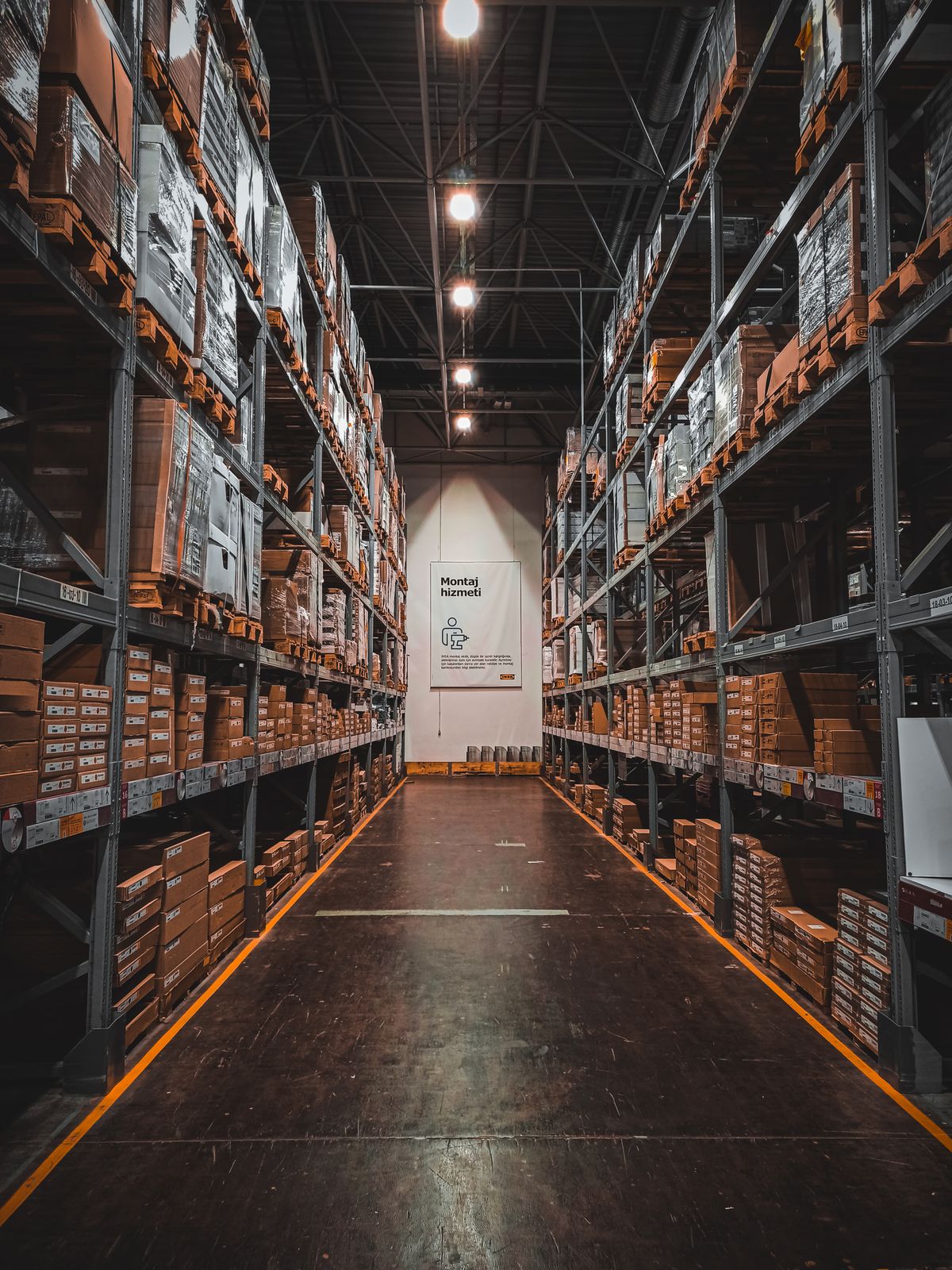
The scope of this article is deliberately narrow: one park only, Tran Quoc Toan Industrial Park in Cao Lanh City. It is not about Sa Dec Industrial Park, not about Tan Kieu Industrial Park, not about Song Hau Industrial Park, and it does not treat the Tran Quoc Toan expansion project — mentioned in provincial planning documents of the early 2020s — as part of the original park established in 2005. The original park lies on the National Highway 30 corridor on the south bank of the Tien River; according to sources citing the decision, it was established under Decision No. 2355/QD-UBND.HC dated 28/12/2005 of the Dong Thap People’s Committee, with Dong Thap Construction and Building Materials Joint Stock Company as infrastructure investor. On scale, this article gives no absolute area, because public sources differ on scope and date and no primary text settles the current scope.
1. When goods change mode, the floor calculation has to change too
The investment listing describes a river port taking 5,000-tonne vessels together with a 200-tonne crane; the same listing puts the park about 160 km from Ho Chi Minh City, about 80 km from Can Tho and about 70 km from the Dinh Ba border gate. One clarification matters before any floor discussion: the 200-tonne figure describes port lifting equipment and must not be read as a floor load. What genuinely affects the floor is the journey of the goods: cargo moves from a river vessel onto trucks and forklifts, then from an open yard into a roofed warehouse, then on to a workshop. Each leg changes the vehicle type, the direction of travel and the degree of rain and sun exposure. That is why a single coating system for the whole site is the easiest way to fail: a system suited to an indoor dry warehouse is usually not durable enough outdoors, while a system built for an outdoor yard can be hard to clean and wasteful inside a wet processing zone. The Dong Thap cluster background, where this park’s port occupies only a short passage, is at Epoxy Flooring for the Dong Thap Industrial Cluster; the zone-by-zone analysis below is new to this article.
2. One park, four floor problems
Open yard by the port and outdoor stacking areas. The yard works under the harshest conditions in the park: heavy trucks coming and going, forklifts turning on the spot, loads set down and lifted again all day, driving rain alternating with harsh sun. The first elements to deteriorate are usually not the main coat but the expansion joints, the drainage falls and the markings. Markings outdoors stay legible only with a topcoat that resists chalking under ultraviolet light, which is a different requirement from markings under a roof. Coat the yard exactly as an indoor warehouse floor and the markings will fade early, the surface will chalk, and the owner will pay for a recoat for appearance alone while the base coat is still sound.
Roofed warehouse and transfer hall. Once a roof is overhead, the floor problem becomes a routing problem: forklifts repeating the same wheel lines, rack feet concentrating load onto small points, and dock thresholds where forklifts change level abruptly. Sorting out traffic lanes, pedestrian routes and no-stacking areas at the outset costs far less than remarking after the racks are full of stock. The principles that separate the two floor types are set out at Epoxy for Factories vs Logistics Warehouses: What’s Different?
Mechanical and building-materials workshops. The park’s investment-attraction listing names building-materials workshops as one of its sectors, together with seafood processing, animal feed, agricultural machinery, electrical and electronic equipment, garment and footwear, consumer goods and canned food; mechanical workshops, by contrast, are a Kadier floor use-type / workshop category applied to this park, not a verbatim entry in that listing. Read that list correctly: it names sectors the park seeks to attract, not companies operating there, and this article names no company. A workshop floor in these sectors has to cope with machine loads, oil contamination, abrasion, impact and material dust; in-depth treatments are at Epoxy Flooring for Mechanical Workshops: Load Bearing and Oil Resistance and Epoxy Flooring for Floors Exposed to Oil, Grease and Light Chemicals. In practice, a good workshop floor is one where oil leaves no permanent stain and forklift turning points do not develop ruts.
Wet processing, within the scope of the seafood and feed sectors named in the listing. A wet-zone floor has to form one continuous surface with no open joints, stay safe to walk on when wet, and stand up to daily washdown and light chemicals; the specialist treatment is at Epoxy Flooring for Seafood Processing Plants. The distinction from warehousing is simple: in a warehouse, water on the floor is an abnormal event; in a wet zone, water and washdown are the everyday working condition, so the system must be chosen on the assumption that the floor is wet and washed often.
3. Moisture first, preparation second, coating third — the riverside order
High-moisture riverside ground is the reason moisture testing cannot be dropped for this park, and the reason a dry-warehouse assumption must not be applied to its slabs. How to measure a concrete floor’s moisture before coating is explained at Concrete Floor Moisture and How to Measure It Before Epoxy Coating; substrate preparation covering grinding, crack repair and moisture testing is at Concrete Floor Preparation Before Epoxy Coating: Grinding, Crack Repair, Moisture Testing. For floor areas that remain damp, a moisture-barrier plan has to be settled before the coating system is fixed — see Epoxy Coating on Damp Floors: Moisture-Barrier Solutions. Coating directly onto a damp slab without a barrier is the fastest route to blistering within a few months of use; when that happens, the coating usually takes the blame even though the real cause sits in the substrate. Fixing the final system rests on the manufacturer’s technical documentation and on survey findings at the actual floor, with two system families referenced through the system pages: a roller system for load-bearing areas and a self-levelling system for flat, seamless floors, at RollCoat — 3-Coat Roller System and LevelFlow — Self-Leveling.
4. Before signing: walk the real routes, then fix the system
An owner or contractor should complete the following steps zone by zone instead of signing one package for the whole plant. First, name the true use of each floor area: which yard takes trucks, which warehouse lane takes forklifts, which workshop sees oil, which zone is washed every day. Next, draw the genuine vehicle routes from the port into the warehouse and on to the workshop, marking turning points and parking spots, because floor damage typically begins exactly at those points. Then list the chemicals and oils each zone encounters and check them against the manufacturer’s chart rather than choosing by instinct. After that, obtain a written moisture result and a written moisture-barrier plan before fixing the coating system. Then align the coating sequence with live operations: avoid coating a working transfer route and then running heavy vehicles over an uncured coat, and avoid coating an outdoor yard in rain. Finally, accept the work by running a forklift on its true lane and inspecting markings, joints and junctions before handover, rather than accepting by eye.
Contact for advice and quotations
If your plant or warehouse sits in Tran Quoc Toan Industrial Park, Cao Lanh City, send the industry, the use zone and the actual floor area to be coated — your own floor’s area, not the park’s area — to receive system advice and a survey appointment. The quotation channel is the Epoxy Floor Coating Quote page; the direct contact channel is the Contact page, hotline and Zalo 0899355489, WeChat wxid_95o54joujyrr12. A price can only be set after an actual survey, based on floor area, industry, plant or warehouse type and substrate condition; this park has no single price that applies to every floor.
