

 Tiếng Việt
 中文 (中国)
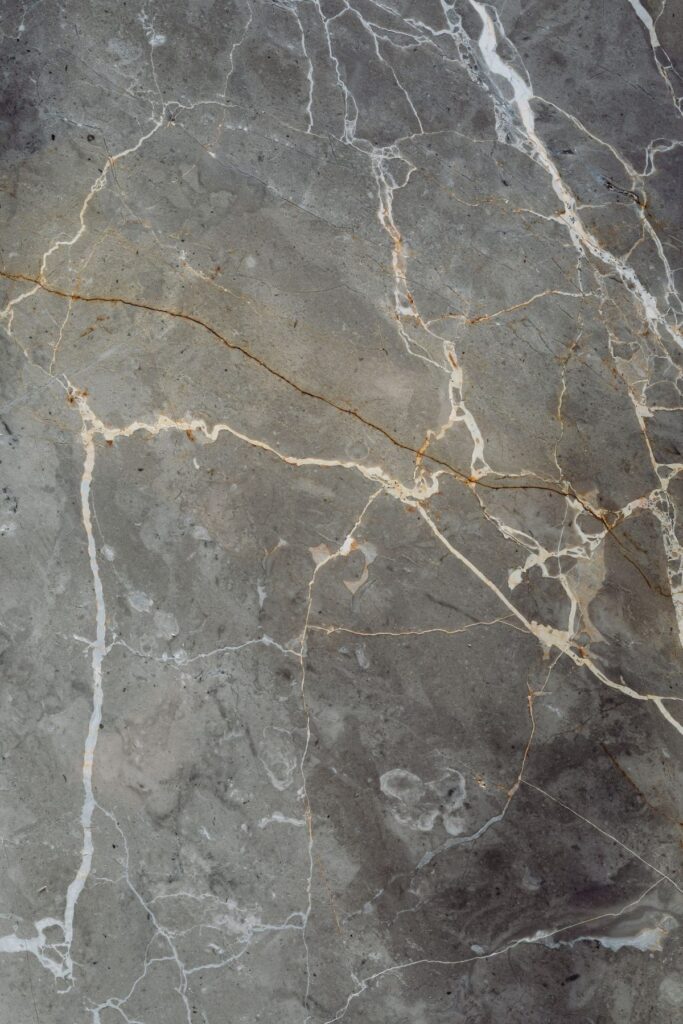
A glossy showroom floor with soft grey veins flowing like natural stone, or an office lobby that glints metallic as the viewing angle changes — that is the effect many project owners ask about when they mention stone-vein and metallic epoxy flooring. The question is equally direct: is this effect real aesthetic value, or just a decorative layer laid over an otherwise ordinary epoxy floor?
The short answer is: stone veins and metallic effects are both aesthetics and function — but only when the coating system underneath is done right. The effect itself does not make a floor stronger, nor does it make it weaker on its own. It is how the topcoat presents itself to the eye; durability, abrasion resistance and ease of cleaning are still decided by the concrete substrate, the primer, the intermediate layer and the topcoat. Choose the wrong base system and chase only the effect, and the floor will look beautiful at handover but deteriorate quickly; get the base system right first and then add the effect, and the floor will be both beautiful and usable for a long time in the space it belongs in.
Illustration: a grey stone-vein surface — a generic illustration of the vein effect, not a project carried out by Kadier. Photo: Kaboompics via Pexels.
1. What are stone-vein and metallic effects on epoxy floors, really?
Stone-vein and metallic effects (often called metallic) are not a layer of stone laid on the floor, nor a printed vein decal. In general principle, they are a clear or coloured epoxy coating in which fine metallic-effect pigment particles (usually mica-type or fine metal powder) are stirred and spread during application. While the coating is still wet and self-levelling, the pigment particles move with the flow and with the applicator’s spreading movements, forming swirls, cloud-like veins and light-dark streaks that never repeat exactly. When the coating cures, the veins are “frozen” in place within the coating.
This mechanism explains three important characteristics:
- No two floors are ever identical. Even with the same colour tone and the same application team, the veins on two floors will differ, because flow and spreading movements can never be repeated absolutely. That is part of the appeal for display spaces, but it is also something to accept before signing off.
- The effect depends on light. Metallic veins change colour with the viewing angle and the light source. A sample viewed under workshop lighting will look different when placed in a lobby with spotlights. So a colour should not be finalised from phone photos alone.
- The vein sits within the coating, not as a separate load-bearing layer. The effect layer still needs a protective topcoat above it (depending on the system) and a properly prepared substrate. If the substrate is weak, damp or poorly primed, even beautiful veins will not save the floor from peeling.
2. How does it differ from plain-colour epoxy flooring?
The biggest difference between stone-vein, metallic floors and plain-colour epoxy floors lies in purpose and in how the result is controlled — not in one type being absolutely “better” than the other.
2.1. Appearance
A plain-colour floor gives a uniform, predictable surface: choose a tone and the floor comes out in that tone, it is easy to patch, easy to recoat in the same colour, and easy to keep consistent across areas applied in different phases. A stone-vein, metallic floor is the opposite: each floor is a unique piece, with depth and shifting colour, well suited to a place that needs a focal point. In return, extending the area later, or patching a small area, makes it very hard to match the veins of the existing floor.
The article on epoxy flooring aesthetics: colors and decorative patterns for showrooms already analysed colour and decorative-pattern choices in general for showrooms; this article goes deeper into one specific effect — stone veins and metallics — and answers the question of what function that effect itself has, instead of repeating the general colour-selection discussion.
2.2. Application and acceptance
A plain-colour floor is mainly accepted on colour uniformity, flatness, adhesion and gloss. A stone-vein, metallic floor needs one extra acceptance step that a plain floor rarely demands: approving a real sample over a trial area before the full area is applied. The trial sample lets the owner see vein density, light-dark contrast and the feel under the real lighting of that space. Skipping the trial sample and approving from reference photos alone carries a very high risk of dispute at handover, because “beautiful veins” are a perception, not a measurable number.
2.3. Cost and time
This article gives no quotation, because price depends on area, substrate condition, coating system and site conditions for each project. In principle, stone-vein, metallic floors usually take more labour than plain floors in the effect-creation step, flow control and topcoat handling, so extra application time and extra waiting time for drying and curing must be allowed, following the guidance for the chosen system. Owners should ask exactly what the quotation covers — substrate preparation, primer, effect layer, topcoat, grinding, handover cleaning — rather than comparing a single total figure.
3. Durability, abrasion resistance and cleaning: compared with plain floors at the level of general principles
This is the easiest part to misunderstand. Many people assume a beautiful floor must be weak, or that a metallic floor must be slippery and hard to keep. At the level of general principles, three factors need to be separated:
3.1. Abrasion resistance
Abrasion resistance is not decided by the veins, but by the overall coating system: coating thickness, resin type and topcoat, together with the real traffic load passing over the floor. A stone-vein, metallic floor built on a correctly thick self-levelling system, with a suitable topcoat, used for foot traffic and light trolleys, can be just as durable as a plain floor of the same system. Conversely, putting the same effect into a heavy-forklift aisle, an area where pallets are dragged, or where vehicles turn continuously will wear, scratch and lose the effect quickly — not because the veins are weak, but because that space already needs a dedicated abrasion-resistant system; see also epoxy flooring for high-abrasion floors (walkways, production areas) and how to read the figures in what do Shore D hardness and Taber abrasion tell you?. In other words, choose the system by load first, and only then choose the effect within what that system allows.
3.2. Cleaning
In principle, seamless epoxy flooring, with no grout joints like tiles, gives dirt fewer places to lodge and is easier to wipe clean than a jointed surface — true for both plain floors and stone-vein, metallic floors. The difference is in how well the floor “hides” dirt and scratches: a dark or mid-tone plain floor can make scratches stand out more, while a mottled vein floor can make small scratches less noticeable at first, but once the gloss topcoat has worn, scratches will still show and restoring the veins is difficult. Correct cleaning — avoiding sharp objects scraping the floor and avoiding strong cleaning chemicals unsuitable for the coating — remains the condition for keeping the effect for a long time; see also epoxy floor maintenance and cleaning done right.
3.3. Slip resistance
Stone-vein, metallic floors are usually high-gloss so the metallic effect stands out clearly. High gloss means that when the floor is wet, the slip risk rises compared with a matt or anti-slip-gritted surface. That is why this effect should not be applied mechanically to areas that are frequently wet, sloped, emergency staircases or wet walkways without an accompanying anti-slip solution confirmed as suitable for the system. If a space must be anti-slip, safety should come before aesthetics, and the contractor should be asked clearly about the topcoat option for that area.
4. Which spaces suit it, and which do not?
4.1. Suitable
- Showrooms, display lobbies, office lobbies, retail stores: places where the floor is part of the brand experience, traffic is mainly on foot, and a focal point with depth is needed. This is where the stone-vein, metallic effect shows its value most clearly.
- Restaurants, cafés, premium service spaces: places where lighting is designed, a glossy floor makes the space brighter and more refined, and daily cleaning can be controlled.
- Offices, meeting rooms, reception areas inside factories: use the effect for the reception area, while the production area keeps a plain, load-bearing floor — separating the two areas by function instead of covering the whole factory in the effect.
4.2. Needs careful consideration, or should be avoided
- Forklift aisles, heavy-load areas, areas where goods are dragged frequently: prioritise an abrasion- and load-resistant system; if the effect is still wanted, use it only in a separate pedestrian area.
- Areas in frequent contact with strong chemicals, heavy grease or standing water: these need a dedicated chemical-resistant and anti-slip system; a metallic effect cannot replace those requirements.
- Areas requiring electrostatic discharge control: anti-static requirements and metallic aesthetic requirements can conflict at the topcoat layer, so confirm with Kadier which system can meet both before finalising, rather than assuming the two features simply add together.
- Outdoor spaces or places exposed to prolonged direct sunlight: epoxy in general is not a default choice for outdoors; a metallic effect outdoors faces the added risk of fading and yellowing over time, and needs separate advice for the specific system.
5. Application and maintenance notes, so the effect stays beautiful after handover
5.1. Before application
- Prepare the substrate as for an ordinary epoxy floor; do not shorten the steps just because it is “only decorative”. Grinding the substrate, treating cracks, checking substrate moisture and a moisture barrier (if the substrate is at risk of rising damp) remain mandatory steps. Beautiful veins on a damp, weak substrate will peel off with the coating.
- Approve a real sample, under the real lighting of the space. Record clearly in the sample-approval note: background tone, vein density, desired gloss level, and the accepted degree of variation between application phases. This is the most important acceptance basis for an effect floor.
- Finalise the coating system first, the effect second. In principle, for example: a self-levelling system such as LevelFlow is often a suitable base for creating a seamless flowing effect over a large area, while a roller-applied system such as RollCoat suits uniform plain-colour floors and areas needing fast application with less demand for effects. Which system to choose must still be based on load, substrate condition and Kadier’s advice for each project, not inferred from the system name alone.
- Apply continuously, without breaks midway. Because veins form while the coating is still wet, stopping midway across an area, changing applicators halfway, or mixing inconsistent batches will leave vein joints that are very hard to repair.
5.2. During and after application
- Keep to the drying and curing waiting times before putting the floor into use. Walking on it early, placing heavy items early or cleaning with strong chemicals early can all damage the topcoat before it has reached the required hardness.
- Agree the repair approach in advance. Ask clearly before application: if an area is deeply scratched or peels locally, is the plan a local patch (the veins will not match), recoating the whole area, or recoating the whole floor surface? Answering this question beforehand avoids disputes later about “why the patch does not look like the original”.
- Maintain according to the guidance for the system; do not scrape the floor with sharp objects to clean it. Fit pads under table legs, display-stand legs and shelving feet, use soft wheels for trolleys in showrooms, and clean regularly following the general epoxy floor maintenance guidance — this will keep the gloss and the veins for much longer than waiting until the floor has deteriorated and then recoating it.
6. Note on specifications
Official technical data (TDS) for each Kadier product is published on the Products page; this article sets out a general framework and does not replace the TDS of a specific product. This article therefore presents only general principles about stone-vein and metallic effects, and gives no specific figures for Kadier for thickness, hardness, abrasion resistance, chemical resistance or warranty period. Any colour codes mentioned in Kadier’s articles (if any) are only general reference examples under a standard colour system, not a commitment about colours in stock or colours available from Kadier. When figures are needed for a technical file, contract or acceptance record, owners should ask Kadier to provide the TDS and confirm in writing for the correct system and the correct project.
7. Conclusion: aesthetics or just decoration?
Stone-vein, metallic epoxy flooring is aesthetics with function, not just decoration — provided it is put in the right place: the substrate prepared correctly, the coating system chosen by load and environment first, a real sample approved beforehand, and a maintenance and repair plan agreed beforehand. Put in the wrong place — a forklift aisle, a wet area needing slip resistance, a heavy-chemical area, or an unprepared substrate — the effect is only an expensive decorative layer that quickly loses its value.
The most practical way to decide is to answer three questions in order: what load does this area carry, and is it wet or dry? Which coating system meets that load and environment? Within that system, can a stone-vein or metallic effect be done, and should it be done? If the answer to the third question is yes, approve a real sample before applying the full area. If you are still torn between a plain floor and an effect floor for the same space, send a description of the function, the area and photos of the current substrate condition so the suitable system can be advised before the effect is finalised.
Request a consultation — describe the space to be coated, its load and how much you prioritise aesthetics, and Kadier will advise on the coating system and effect option suited to each area.
