

 Tiếng Việt
 中文 (中国)
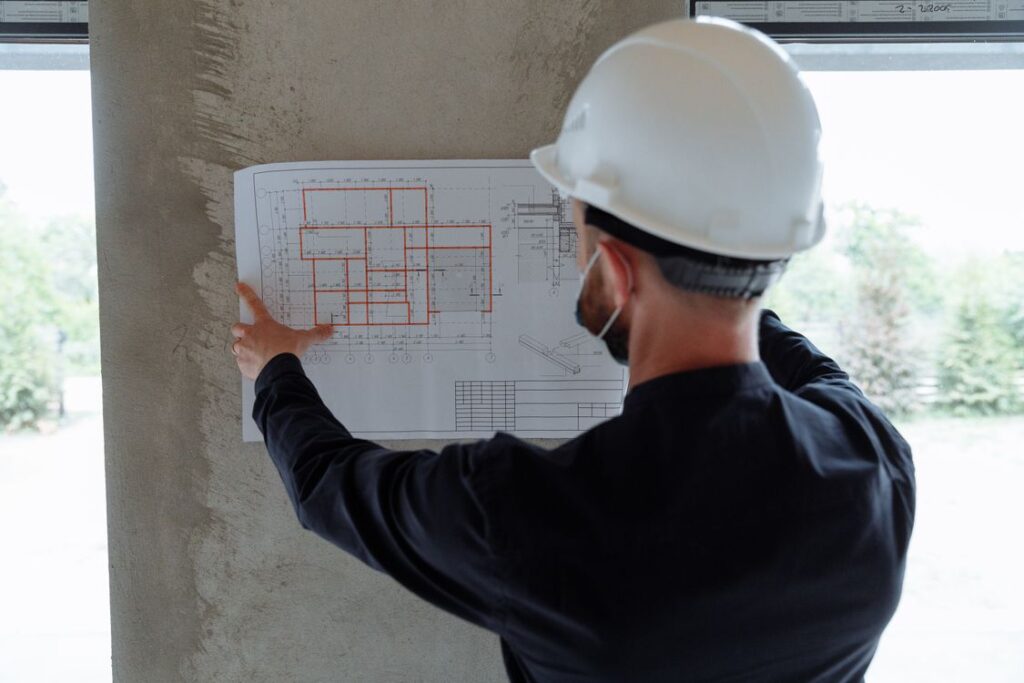
Handover acceptance is the step that confirms a project before it is put into use: the customer and the contractor inspect each item, record the results in a report, and sign handover only when items have passed or a clear repair agreement is in place. This article provides a tick-box acceptance checklist with 5 groups […]
Category Archives: Uncategorized
25
Oct
Oct
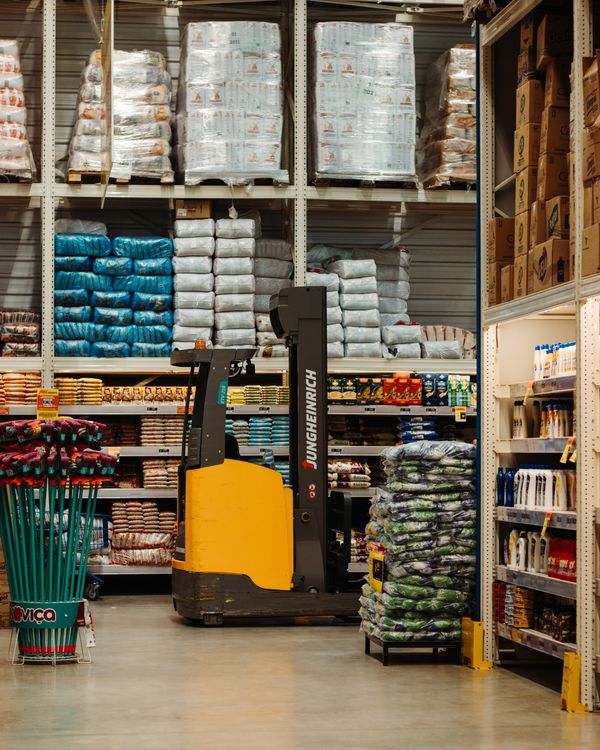
The handover date says nothing about the durability of an epoxy floor. Whether a floor is good only shows after 6–12 months in service, when loads, cleaning chemicals and temperature changes have acted repeatedly on the floor surface. This article provides a post-handover tracking framework: which items to inspect, how to record them so they […]
25
Oct
Oct
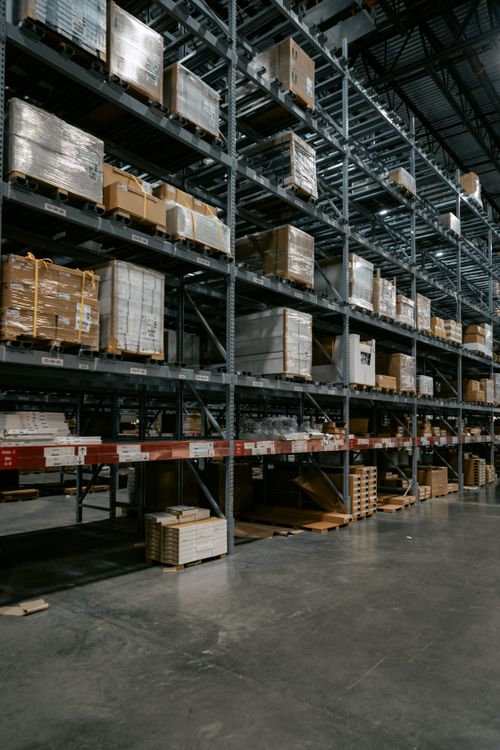
Choosing the wrong coating system usually costs more than choosing an expensive one: a good-looking system with the wrong function will need early repair, recoating or replacement, while a system with a higher initial material price but the right function and the right substrate will have a lower total cost over its period of use. […]
25
Oct
Oct
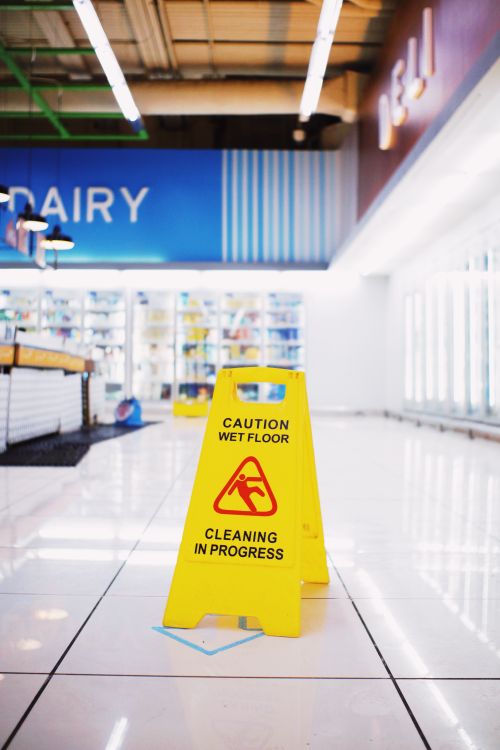
A slippery epoxy floor when wet is a surface that is fine to walk on when dry but becomes dangerously slippery as soon as it gets wet: wash water, wind-blown rain, leaks or condensed moisture. Pedestrians can easily slip and fall, and forklifts and trolleys can lose control on wet routes. This article is about […]

25
Oct
Oct
An epoxy floor fading in sunlight is when the paint colour gradually lightens, yellows or chalks after a period of exposure to sunlight. Indoor parking areas with large skylights, areas near glass doors, corridors with open sunroofs or partly roofed yards are where this shows most. Fading from sunlight differs from chemical staining: chemical stains […]

25
Oct
Oct
Epoxy floor delamination is when coats of paint separate from each other: the top coat peels off in patches, exposing the intact coat below. The key sign is that the underside of the peeled patch is still smooth and carries the colour of the coat beneath, while the concrete substrate is not exposed. Delamination differs […]

25
Oct
Oct
An uneven epoxy floor is a surface that is not uniformly flat: high and low spots, ripples, roller marks or trowel marks that are clearly visible when viewed at an angle under light. The floor may still be hard and well bonded, but an uneven surface causes real everyday problems: trolleys and forklifts jolt as […]

25
Oct
Oct
The same epoxy system, the same contractor — yet two factories with different floor areas receive different unit prices per m². That is usually normal, not a sign of a wrong quotation. This article explains the mechanism behind it, so you can read a quotation correctly instead of comparing only the per-m² figure. This article […]
25
Oct
Oct
Two factories with the same area and the same coating system, but different quotations — the most common cause lies in something not immediately visible: the condition of the concrete substrate. This article explains the 5 substrate variables that decide price, and what a substrate survey involves, so you understand why a quotation cannot be […]

25
Oct
Oct
In an epoxy quotation, the “substrate preparation” line is usually the one that raises the most questions: what does it include, which items are mandatory, and which only arise when the substrate is poor? This article breaks the substrate preparation sequence into individual steps and shows how to read that line in a quotation. This […]