

 Tiếng Việt
 中文 (中国)
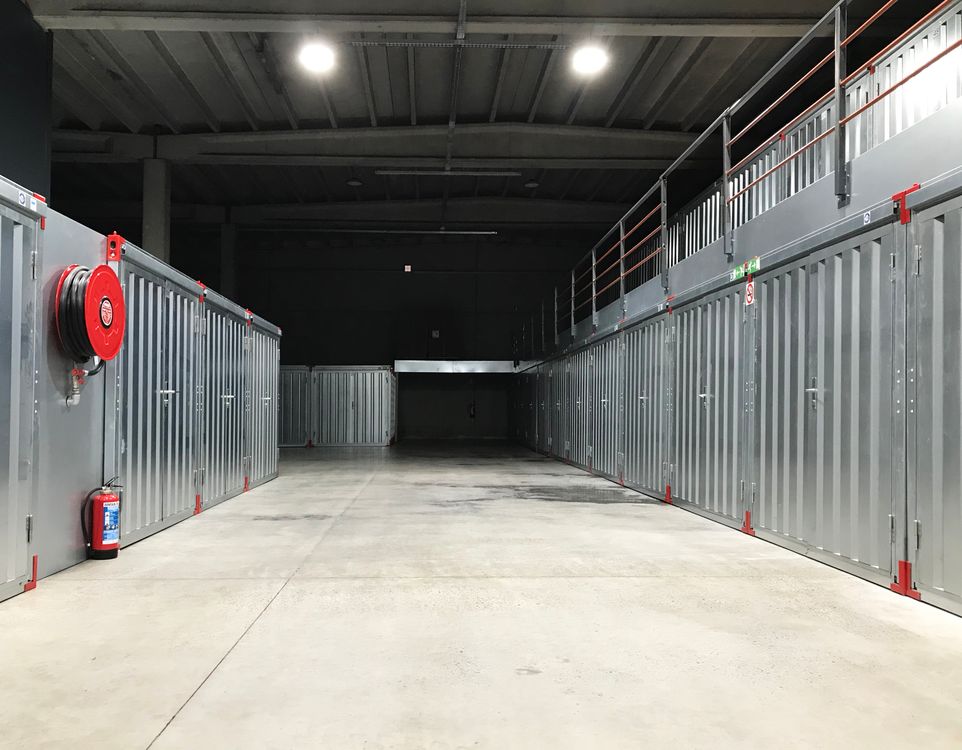
Long Duc: an operating park, and a different flooring problem from a new-build park
Among the industrial parks of Dong Nai, Long Duc deserves to be treated separately. Unlike parks still clearing land or building new factories, Long Duc Industrial Park has been operating since 2013, with factories producing every day. The flooring question here is therefore rarely “how to build a new floor”, but rather “where has the existing floor worn out, which zone should be recoated first, and how can the upgrade be done with the least disruption to production”. The article on epoxy floor coating for Long Thanh Industrial Park follows the new-build and logistics axis; this article follows the other axis: a park that is already running, and needs zone-by-zone recoating and upgrading.
A note on names: Long Duc and Long Thanh are used here as familiar geographic names within present-day Dong Nai (the new Dong Nai, formed from the former Dong Nai and Binh Phuoc from 01/07/2025).
Park profile: a Vietnam–Japan joint venture of about 282 hectares
Long Duc Industrial Park is located in Long Duc commune, Long Thanh district, Dong Nai province, covering about 282 hectares. Its infrastructure investor is Long Duc Investment Co., Ltd., a joint venture between three Japanese companies — Sojitz Corporation, Daiwa House Industry and Kobelco Eco-Solution — and Donafoods of Dong Nai. That joint-venture character matters for flooring: most tenants are Japanese companies, and requirements for floor condition and cleanliness are typically set tightly, to each factory owner’s own standard.
For location, the park sits near the Ho Chi Minh City–Long Thanh–Dau Giay expressway and the Cai Mep–Thi Vai deep-water port cluster. According to the park developer’s material, it is about 40 km from central Ho Chi Minh City and about 14 km from Long Thanh International Airport. Warehouse floors and goods-out areas in the park therefore carry significant forklift and truck traffic.
Industries present in Long Duc include electronics and components, precision engineering, supporting industries and clean manufacturing, together with medical equipment tools, composite materials and metal products. Published listings name Long Duc–Wonderful SUN-S Electronics (Japan) and Japan FRP Vietnam (composite materials) as examples; this article does not list every tenant and does not claim any company as a Kadier client.
Floors for electronics and precision engineering: flat, seamless, low-dust
For electronics and precision engineering, the floor must serve production: a flat, seamless surface keeps trolleys and equipment moving steadily, and a low-dust, easy-to-clean surface helps control dust in production areas. General production areas usually suit the RollCoat roller-applied system for light to medium loads, while areas requiring high flatness should consider the LevelFlow self-levelling system. The final choice still follows a floor survey and the factory owner’s requirements.
Anti-static requirements need to be placed precisely. Not every electronics factory needs an anti-static floor throughout, and an anti-static system should not be spread across a whole plant when only a few zones require it. The approach is the StatGuard anti-static system, installed only in the zones that require it and to the factory owner’s standard.
Floors for composite and metalworking workshops: classify exposure first
Composite and metalworking workshops present a different combination: abrasion, machining dust, and chemical contact in some processes. The correct method is to classify zones by exposure before choosing a system: light and occasional contact, frequent contact, and zones at risk of chemical pooling. Zones at risk of pooling need a dedicated chemical-resistant system, checked against the coating manufacturer’s chemical-resistance table; no single epoxy system can be assumed to resist every chemical.
At survey stage, record which zones generate the most dust, which contact oil or chemicals, and which carry frequent forklift traffic — those three facts drive the system choice more than the factory’s total area.
Warehouse floors and forklift routes in an operating park
A warehouse in an operating park differs from a new warehouse in one respect: the traffic routes already exist. Forklifts run fixed routes between racking, goods-in and goods-out areas and walkways, so wear concentrates on certain routes rather than spreading evenly. Warehouse floor acceptance should therefore test load and turning on those actual routes, not only inspect the general surface. Lane marking and anti-slip treatment at turning points, walkways and pedestrian-vehicle crossings are inseparable from the main coating.
The wider Dong Nai picture is set out in epoxy flooring for the Dong Nai industrial park cluster (Bien Hoa, Nhon Trach, Long Thanh), which places Long Duc within the cluster; this article goes deep on a single park and on the actual floor condition of an operating park.
Recoating an old floor in a running factory: grind off or overcoat?
This is the most important technical decision for Long Duc, because most demand in an operating park is recoating rather than building from scratch. The two main routes are grinding off the old coat and starting again, or preparing the surface and overcoating a coat that still adheres well. Neither is always right: a coat that is peeling, blistering or heavily oil-contaminated usually has to be ground off, while a coat that still adheres well and is only worn on the surface may be overcoated with less disruption. The decision must rest on adhesion testing and the actual floor condition, not on photographs alone.
Three steps must not be skipped when recoating an old floor: measuring floor moisture, repairing cracks and damp areas, and choosing a primer suited to the floor’s condition. Moisture from the slab is a common cause of blistering after recoating. In operating areas sensitive to odour, the AquaBase water-based, low-VOC system is worth considering where the survey confirms the floor is suitable. Working zone by zone, agreeing in advance which zone goes first and which goods move, lets the factory keep producing while floors are upgraded gradually.
Long Duc 3: the expansion — written in the future tense, not confused with the operating park
The operating Long Duc park must be kept distinct from Long Duc 3, the nearby expansion. According to the sources compiled in the Long Thanh article, Long Duc 3 covers about 244 hectares, broke ground on 23/04/2026 and is now building infrastructure (handover scheduled from February 2027) — meaning it still has no factories and no floors to coat yet. Long Duc 3 is therefore mentioned here only as preparation: an investor about to build there can settle the system framework by industry in advance. All flooring demand that can be surveyed and built now belongs to the operating Long Duc park described above, not to Long Duc 3.
What to send for advice
For advice on a factory in Long Duc Industrial Park, send: the industry group, whether the floor is new or an old floor needing recoating, the area of each zone, the vehicle types and traffic frequency, any chemical contact, and which zones have anti-static requirements. Final parameters for each system follow the coating manufacturer’s technical documents and the survey result; this article sets out a general selection framework only and does not replace a floor survey.
Frequently asked questions
Can an old floor in Long Duc Industrial Park be overcoated?
It depends on the old coat: a coat that still adheres well and is only surface-worn can be overcoated after surface preparation; peeling, blistering or heavily oil-contaminated coats usually have to be ground off. Adhesion testing decides.
Must an electronics factory in the park use an anti-static floor?
Not throughout the factory. Only zones with a requirement under the factory owner’s standard receive an anti-static system, in exactly that scope. Other zones use roller-applied or self-levelling systems by function.
Can floors be recoated while the factory keeps running?
Yes, if the work is phased zone by zone: agree in advance which zone goes first, which goods move, and the acceptance criteria for each zone. Odour-sensitive areas may consider a water-based, low-VOC system where the survey confirms suitability.
Can floors in Long Duc 3 be built yet?
Not yet. Long Duc 3 broke ground on 23/04/2026 and is building infrastructure; with no factories built yet, there are no floors to coat. Demand there is preparatory; demand that can be built now belongs to the operating Long Duc park.
How does Long Duc differ from Long Thanh Industrial Park on floors?
Long Duc has operated since 2013 with a Japanese majority among tenants, and its main flooring task is recoating and upgrading zones inside running factories; Long Thanh, in its own article, follows the new-build and airport-logistics axis. The two articles complement, rather than replace, each other.
New floor or old floor needing recoating, which industry, what area? Send the details to receive advice on the right system for each zone, via the quotation or contact page (hotline/Zalo 0899355489, WeChat wxid_95o54joujyrr12).
Featured image: David Slaager on Pexels — see the original on Pexels. Stock photo of an empty warehouse interior, not a Kadier project.
