

 Tiếng Việt
 中文 (中国)
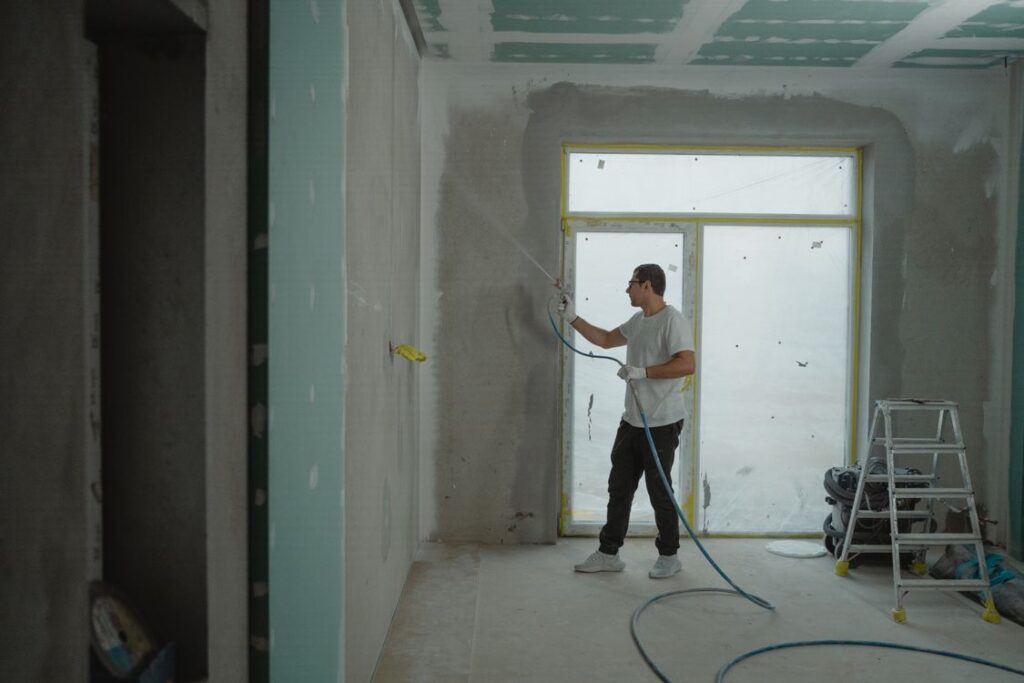
A deteriorated old epoxy floor raises one question before any other decision: is the old layer still good enough to serve as a base for the new layer, or must it be ground off completely? Overcoating a weak old layer means the new layer will peel off together with the old layer; grinding off an old layer that is still sound costs effort and time and is not necessarily better. This article sets out a way to assess the situation in order to choose correctly between the two options.
The content presents the general characteristics of materials and the general procedure; product-specific data for each Kadier system is applied only according to the manufacturers official technical documentation when available. Standards such as TCVN 9014:2011 and TCVN 12574-2018 are used as general reference bases when assessing materials and application.
1. Assessing the old layer: four decisive questions
Does the old layer still bond? Tap-test the whole floor to find blistered areas, and carry out pull-off adhesion testing at representative areas, especially heavily loaded areas and areas previously repaired. Widespread blistering is a sign that the old layer can no longer serve as a base.
Is there a problem with the substrate underneath? If the cause of deterioration lies in the substrate, such as substrate moisture, rising damp, or weak concrete, then overcoating solves nothing. In this case the substrate must be treated first, and the old layer usually has to be removed to reach the substrate. Measuring substrate moisture and checking for rising damp are steps that cannot be skipped when an old floor shows blistering or patch peeling.
What type is the old layer, and is it compatible? A new coating only bonds well to an old layer when the two systems are compatible with each other and the old layer has been surface-treated correctly. An old layer of unknown type, an old layer previously coated with an incompatible system, or an old layer contaminated with oil, grease, or chemicals over a wide area are all reasons to lean towards grinding off. When the old layer cannot be identified, a trial area is the cheapest way to verify: coat a small trial area, wait for it to cure, then check adhesion before deciding for the whole floor.
How thick is the old floor still, and is it still flat? An old floor that is uneven, with high and low edges from old patches, or patched together many times, will keep all of those surface defects after overcoating, with only the color changed. If a flat floor surface is wanted again, it must be ground flat or given a self-leveling layer, and in many cases grinding off the old layer and starting again produces a better floor surface.
2. When can overcoating be used?
Overcoating is a reasonable option when the old layer still bonds well over most of the area, the substrate is dry and sound, the old layer is compatible with the new system, and the requirement is only to refresh the surface, change the color, or add a little thickness. Even in this case, there are local areas that must be treated separately: small peeled areas must be cut out and patched first, cracks must be filled, and the whole surface must be ground rough and cleaned so that the new layer can bond.
The usual overcoating sequence is: cleaning and degreasing, grinding the whole old surface rough to create a bond key, thorough vacuuming, applying a compatible primer, then applying the new coats. Skipping the grinding step is the most common error in overcoating, because a glossy old layer has almost no bond key left for the new layer. The primer used for overcoating must be compatible with both the old layer and the new layer; not just any primer can be used.
3. When is grinding off the old layer mandatory?
Grinding off is mandatory when peeling is widespread, when the old layer is incompatible with the new system, when the substrate needs damp treatment or strengthening, when the old layer is deeply contaminated and cannot be cleaned, or when the accumulated thickness is already too great and the floor surface needs to be made flat again. Grinding off is also the safer option when the old layer cannot be identified and a trial area gives poor adhesion results.
Grinding off takes time and generates dust and noise, so production downtime, shielding of the area, and dust extraction at source need to be planned. Dust from grinding concrete substrates and old coatings must be controlled with dust extraction and respiratory protection, and grinding waste must be collected, not allowed to spread inside the factory. After grinding off, the exposed substrate is assessed again as a new substrate: moisture, soundness, and cracks, before the new system is applied from the primer layer.
4. Common mistakes when recoating an old floor
First, coating directly onto a glossy old layer without grinding rough, then being surprised when the new layer peels off in sheets. Second, patching only the visibly peeled spots without checking the hidden debonded areas around them, leaving debonded edges ready under the new layer. Third, overcoating a damp substrate on the assumption that the new layer will block moisture; in reality, moisture accumulating under a sealed layer will break the bond faster. Fourth, choosing the new system only by color or price, without checking compatibility with the old layer. Fifth, putting the floor into use early, before the new layer has cured sufficiently, especially on forklift routes.
5. Suggested decision sequence
Survey and record the current condition, tap-test and measure moisture, check adhesion at representative points, apply a trial coat if compatibility is still in doubt, and only then decide between overcoating and grinding off. This decision should be recorded in the application file together with the reasons, because it directly affects production downtime, the amount of work, and the service life of the new layer. An old floor that has been assessed carefully before recoating will give a much more durable new layer than an old floor that has only been glanced at and coated over.
To choose a coating system for a renovation project, see the RollCoat system for a roller-applied option, the LevelFlow system for a self-leveling option that levels the surface, and the AquaBase system, a water-based system for areas where odor needs to be reduced. For maintenance guidance after recoating, see Epoxy Floor Maintenance and Cleaning Done Right. For advice on a recoating plan for a specific floor, Request a consultation.
Illustration photo: Tima Miroshnichenko / Pexels.

Pingback: Full Epoxy Floor Recoating: When Is It Needed?