

 Tiếng Việt
 中文 (中国)
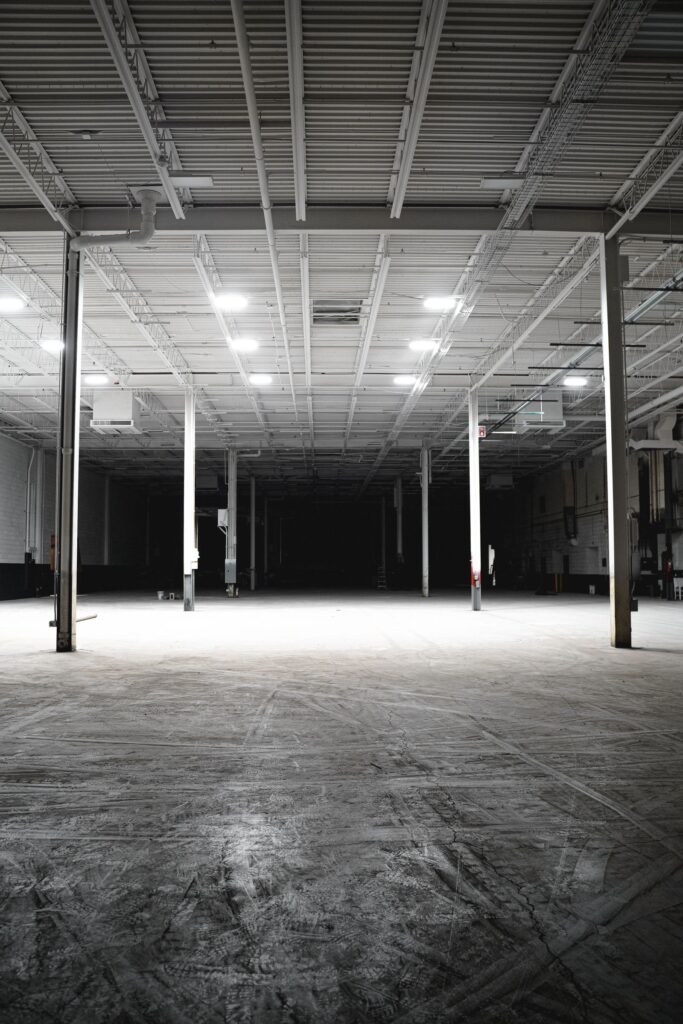
Nam Tan Uyen is not a greenfield park where every factory starts with a blank concrete slab. It has been operating since 2005, with a first phase of 330.51 hectares, of which 204.06 hectares is industrial land for lease, and a separate expansion phase of 288.52 hectares (2010). That single fact shapes the epoxy flooring question here: most work is either renovating ageing floors inside factories that are already running, or laying new floors in the expansion area. Those two jobs need different answers, even though they sit inside the same park.
A note on names: Binh Duong in this article is the familiar geographic name for the area. Administratively, the area has belonged to expanded Ho Chi Minh City since the merger of 01/07/2025. The article keeps the name Binh Duong so readers can recognise Nam Tan Uyen Industrial Park, not as a claim about its current administrative status.
A mixed-industry park, not a specialist park
Nam Tan Uyen stands at Hamlet 4, Khanh Binh commune, Tan Uyen district, in the former Binh Duong province, developed by Nam Tan Uyen Industrial Park Joint Stock Company. Unlike a park built around one sector, it hosts many industries at once, and that mix is what decides the flooring. An agro-processing plant and a metallurgy workshop may be neighbours, yet their floors face entirely different stresses.
The leading groups in the park include agro-processing and cattle and poultry feed production; consumer goods such as garments, wood products, electrical appliances, household goods, plastics and packaging; building materials such as kaolin, ceramic tiles, interior decoration materials, structural frames and roofing sheets; mechanical engineering and metallurgy; and pharmaceuticals, cosmetics, veterinary medicine and bio-products. In the expansion area, textile and garment investment is oriented away from dyeing, a detail that matters when judging chemical resistance and wastewater demands on the floor.
Each industry group creates a different floor problem
In agro-processing and feed production, the dominant problems are hygiene and moisture. Powdered raw materials, feed dust, wash water and damp odours cling to raw concrete, making end-of-shift cleaning slow and hard to complete. Floors in these areas need to be seamless, with few joints where dirt can collect, easy to wash, and able to stand up to repeated cleaning. Dry raw-material stores add a second demand: dust control and slip resistance where forklifts and workers move constantly.
In building materials, ceramic tiles and structural components, the floor takes heavy loads, impact and abrasion. Forklifts carrying pallets of tiles, roofing sheets and steel frames use the same routes day after day, and turning areas and main aisles wear out first. Here, adhesion, abrasion resistance and the ability to repair a worn patch locally matter more than surface gloss. A beautiful floor that cracks early along forklift routes costs more in repairs than a floor designed for the load from the start.
In mechanical engineering and metallurgy, floors must cope with oil, metal swarf and concentrated loads from machines, moulds and racking. An oil stain is not only cosmetic: it creates a slip hazard and weakens the bond of a new coating if the surface is not prepared properly before coating. Machining areas, specialist equipment assembly and spare-parts stores therefore need to be surveyed separately, rather than copying the floor specification from an office or a packing area.
In pharmaceuticals, cosmetics and bio-products, the emphasis shifts to dust control and hygiene. A seamless floor that generates little dust and is easy to wipe down helps production and packing areas hold a stable clean condition. Zoning matters here as well: production, packing, warehousing and corridors should not share one floor criterion simply because they belong to the same factory.
Logistics: warehouse floors are a job in their own right
Nam Tan Uyen sits on provincial roads DT746 and DT747B, about 30 km from Cat Lai port. Many factories in the park therefore both manufacture and act as transfer warehouses: agro raw materials, building materials and components come in, while finished consumer goods and building products go out. Warehouse floors are not an afterthought to production floors.
Warehouses here typically have three hot spots: truck and forklift entrances, loading and unloading areas, and high pallet storage. Floors there need slip resistance, resistance to repeated rolling loads, and clear lane markings so forklifts and pedestrians do not conflict. Coating the whole factory evenly while leaving these three hot spots at the same specification guarantees early repairs exactly where traffic is heaviest. Offices and light-traffic corridors, by contrast, can use a lighter solution, which keeps the budget where the wear actually happens.
Compared with the VSIP and Song Than cluster described in Epoxy Flooring for the Binh Duong Industrial Park Cluster (VSIP, Song Than): Industry Specifics, Nam Tan Uyen places less weight on FDI-style acceptance checklists or rail-ICD warehousing. Its problems are closer to the everyday reality of a long-established mixed park: floors ageing zone by zone, heavy-load warehouses, and damp or dusty areas that each need zone-by-zone treatment. The regional overview Epoxy Flooring for the Southeast Region Market: Demand Overview places the park in the wider region; this article goes deep into Nam Tan Uyen itself.
Old floors in a park whose early phases are nearly full: renovation is not new construction
In a park whose early phases are nearly fully leased, most epoxy demand in Nam Tan Uyen comes from factories already in operation, not from empty plots. Old floors typically arrive with a familiar set of defects: hairline cracking, peeling of an earlier coating, oil penetration, cement dust and local unevenness. Coating directly over an unprepared floor only hides the problem briefly; the new layer then peels away with the old one.
A pre-work survey is therefore indispensable: which zones need only cleaning and recoating, which need floor repair, and which suffer from moisture and need separate treatment. A factory that must keep running also needs a phased programme: work zone by zone, keep part of the line and the access routes open, and never shut the whole plant for a floor that could have been done in stages. The phasing plan should state the order of zones, temporary routes, handover timing for each section and the acceptance condition for each section, so production and construction do not obstruct each other.
In the expansion area the problem runs in the opposite direction: new floors should be designed for their function from the start, instead of receiving one general coating and only later revealing a damp zone, a heavy-load zone or an electrostatic-sensitive zone that was missed. Zoning on the floor drawing from the outset avoids having to repair a new floor soon after it enters service, which is far more expensive than choosing correctly at the beginning.
Choosing a system by zone inside a Nam Tan Uyen factory
For general production areas, warehouses and corridors that need a flat, durable and easily cleaned floor, LevelFlow self-levelling coating is the natural direction, especially where flatness keeps forklifts and equipment moving steadily. For general areas, offices, walkways and zones with light chemical exposure, RollCoat three-layer roller coating is a more economical and flexible choice, and it suits phased work inside a running factory.
Where electrostatic control is genuinely required, for example in electronics component support areas in the park, StatGuard electrostatic-dissipative coating should be used, but only within the area drawn clearly on the floor plan, with earthing and testing carried out under the factory’s own procedure. Electrostatic protection should not be spread across the whole factory when only a few zones need it, and no factory in the park should be assumed to need it by default. Where food, pharmaceutical or low-odour work near operating production matters, AquaBase water-based, low-VOC coating is the direction to consider.
All four systems share one condition: they only perform when surface preparation is done properly, with oil removed, moisture treated, cracks repaired and the surface keyed before coating. A good system applied to an unprepared slab is still a wrong decision, however well its name seems to match the industry.
A checklist before finalising a floor plan
Before choosing a coating for a factory in Nam Tan Uyen Industrial Park, the investor should be able to answer six questions clearly. First, which zones carry heavy loads and forklifts, and which carry only foot traffic. Second, which zones are damp, exposed to wash water or chemicals, and which chemicals they are. Third, what condition the existing floor is in: cracking, peeling, oil penetration or surface wear only. Fourth, whether the factory can be closed zone by zone or whether work must happen outside production hours. Fifth, which zones genuinely need electrostatic control, and which need dust and hygiene control. Sixth, what the acceptance criteria are: flatness, adhesion, slip resistance or a signed handover for each section.
Once those six questions are answered, the floor plan tends to reveal itself zone by zone, rather than as one coating for the whole factory. That is the approach that fits a mixed park like Nam Tan Uyen best, where the early phases are nearly fully leased: no single answer, only the right answer for each zone, each industry and each existing floor condition.
Illustration: stock photo from Pexels (photo 6028170), showing an empty industrial hall with a concrete floor; not an actual Kadier project.
