

 Tiếng Việt
 中文 (中国)

Schools and training centres use floors in a very different way from factories: the same floor is at once a place where students walk all day, a place for desks, chairs and teaching equipment, and an escape route when people need to move quickly. Floors here do not need to carry heavy machinery loads, but […]
Category Archives: Uncategorized
25
Oct
Oct
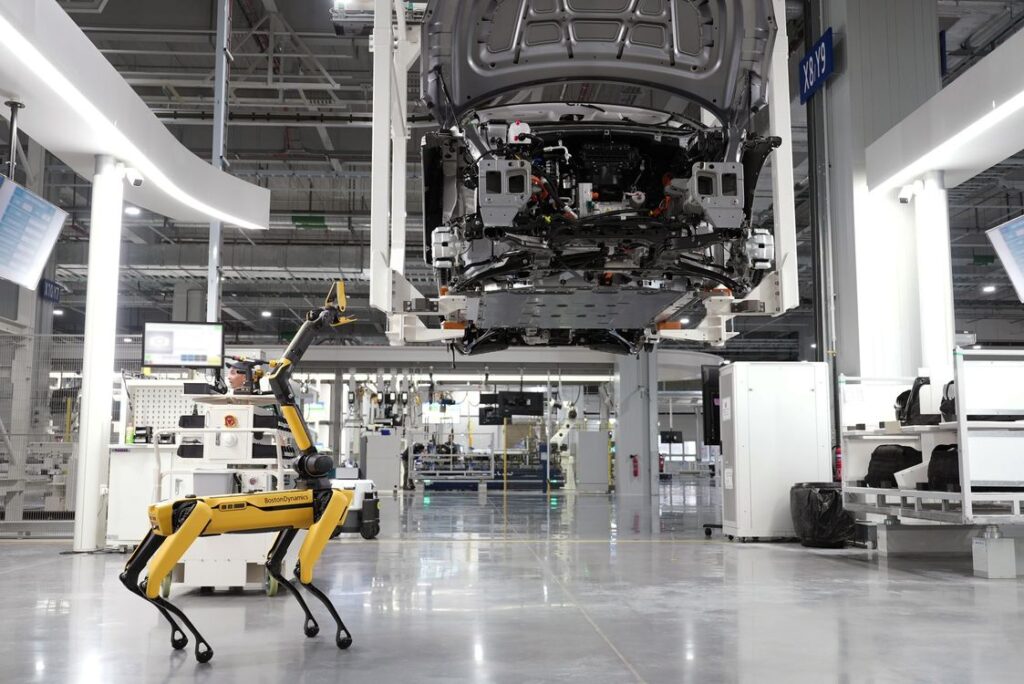
The particular demands of automotive, motorcycle and parts factory floors Automotive, motorcycle and parts factories organise production around the assembly line: vehicle bodies and frames move along conveyors or automated guided vehicles, workers work along both sides of the line, and forklifts and tow trucks carry components back and forth continuously. Floors therefore face a […]
25
Oct
Oct
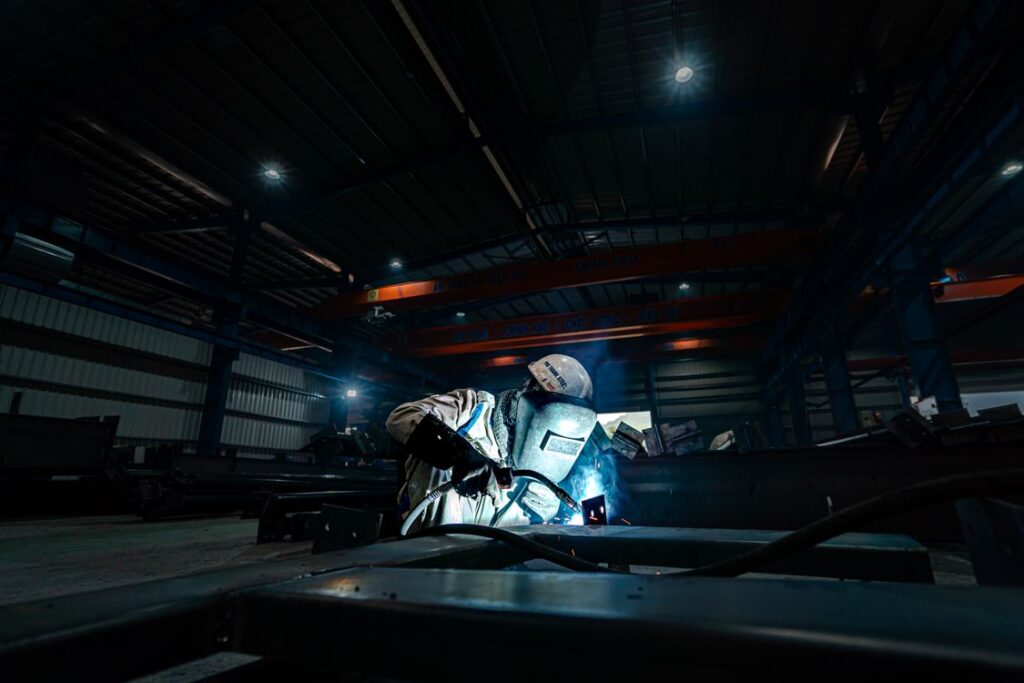
Large-scale steel and metalworking factories vs. general machine shops This article is about large-scale steel and metalworking factories: steel smelting and rolling, cutting and machining heavy metal parts, and stores of metal blanks and finished metal products, with heavy forklifts, overhead cranes and heavy equipment moving frequently. It differs from the topic of general machine […]
25
Oct
Oct
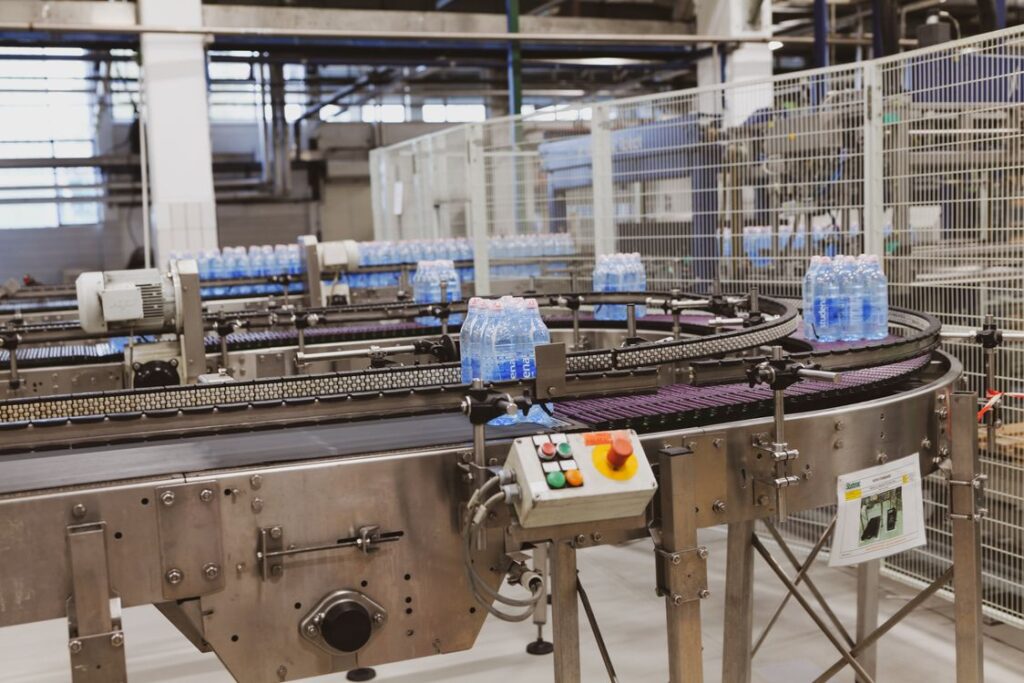
What makes packaging and plastics plant floors distinctive Packaging and plastics plants run around extrusion, blowing, printing and packing lines. Plastic dust, spilled plastic pellets and cutting trimmings are a regular presence on the floor, especially around injection moulding machines, bottle blowing machines and die-cutting areas. Film rolls, paper rolls, finished-goods pallets and forklifts move […]
25
Oct
Oct
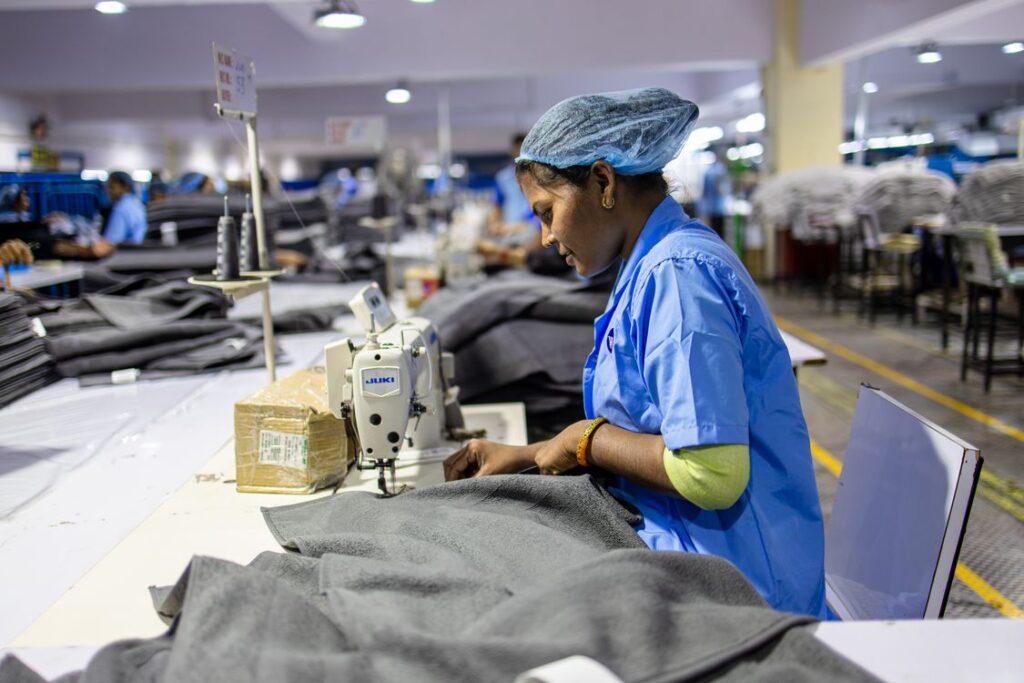
Characteristics of textile, garment and footwear factory floors Textile, garment and footwear factories have a high density of workers, with sewing machines and looms arranged in long rows, and fabric trolleys, rolls of raw material and cartons of finished goods moving continuously across the floor. Fibre dust is the most prominent problem: lint, cotton dust […]

25
Oct
Oct
What makes wood and furniture factory floors distinctive Wood and furniture factories combine a fairly distinctive mix of loads and contamination. Wood dust arises almost continuously from sawing, planing, sanding and drilling. Fine dust settles on the floor, works into cracks and joints, and makes the floor dirty quickly and hard to clean if the […]

25
Oct
Oct
When a level, hard, load-bearing base layer is needed before applying a finishing coat — or sometimes as the finished floor surface itself — project owners often face two choices: self-leveling epoxy mortar and self-leveling cement mortar. Both mortars flow and level themselves, but their composition, curing method, and limits of use differ fundamentally. Choosing […]
25
Oct
Oct
A chemical plant is a place where floors and walls must withstand several impacts at once: spilled acid, alkaline cleaners, solvents, temperature changes, and vehicle loads. Acid-resistant epoxy coating is not a single product that works for every chemical plant, but a group of coating systems whose acid resistance depends on the resin type, acid […]
25
Oct
Oct
The article Epoxy vs Polished Concrete, Tile and PU Flooring compared four flooring types broadly to give you an overall picture. This article goes deep into a single pair: PU flooring and epoxy flooring. Only when the two materials are placed side by side against the same set of criteria — build-up, mechanical properties, chemical […]
Uncategorized
Layer Thickness Explained: Primer 50µm, Self-Leveling 500µm, and 1.5–2.5 mm Total — What Do They Mean?

25
Oct
Oct
When you read the technical documentation of an epoxy coating system, you will come across figures such as a 50µm primer coat, a 500µm self-leveling coat, or a total thickness of 1.5–2.5 mm. These figures are not different ways of saying the same thing: each figure describes a separate coat, with a separate job, within […]