

 Tiếng Việt
 中文 (中国)
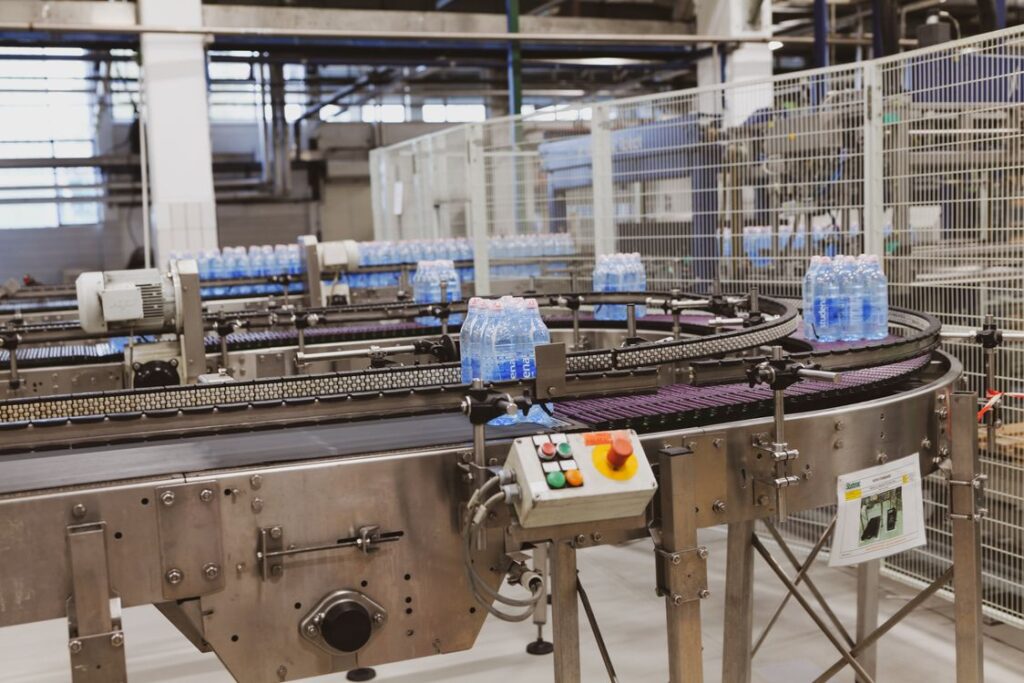
What makes packaging and plastics plant floors distinctive
Packaging and plastics plants run around extrusion, blowing, printing and packing lines. Plastic dust, spilled plastic pellets and cutting trimmings are a regular presence on the floor, especially around injection moulding machines, bottle blowing machines and die-cutting areas. Film rolls, paper rolls, finished-goods pallets and forklifts move constantly, creating concentrated loads on aisles and loading areas.
Another characteristic is light static electricity: plastic film, plastic pellets and dry packaging easily build up static during transport and packing, attracting dust to surfaces and, at higher levels, causing discomfort in operation. This article only covers static at the light level commonly found in warehouses and packaging lines; if a plant has a strict static-control requirement under its own standard, it needs a separate assessment and cannot be inferred from this article.
Requirements for epoxy floors in packaging and plastics plants
At the level of the material in general, a seamless epoxy floor coating keeps plastic pellets and plastic dust out of tile joints, makes end-of-shift sweeping faster, and lets forklifts run more smoothly over a flat surface. An epoxy surface is also easier to wipe clean of printing ink marks and dirt than bare, porous concrete. However, forklift load capacity, abrasion resistance and actual static control all depend on the individual coating system and coating thickness; this article gives no Kadier-specific figures, because no official TDS has been published yet. When choosing a system, check the official TDS and the plant’s actual forklift loads.
On static electricity, the distinction must be kept clear: an ordinary epoxy floor is not automatically an electrostatic-control floor. Only when a coating system has been designed and verified for static control, and installed together with a grounding system following the manufacturer’s instructions, should it be considered for this requirement. For light static needs, the assessment must be based on the official TDS and the plant’s operating requirements; it should not be assumed that every epoxy floor handles static.
Choosing a system by zone
- General production areas, raw-material warehouses and packing areas: a roller-applied system such as RollCoat is often considered for large areas, where the main requirements are a seamless surface, easy cleaning and clear zoning. Check the official TDS before finalising.
- Forklift aisles, loading areas and main heavily loaded walkways: consider a self-levelling system such as LevelFlow with a thicker coating, giving a flatter surface that holds up better under forklift wheels. The specific permitted load must follow the official TDS and the actual forklifts in use.
- Zones with a static-control requirement: consider an electrostatic-control system such as StatGuard, but only after confirming the plant’s static-control requirement and checking the official TDS together with the grounding plan.
- Refurbishment zones requiring low odour: a water-based, low-VOC system such as AquaBase is a direction to consider when working with limited ventilation.
Application and acceptance: easy failure points in packaging and plastics plants
Before coating, the substrate must be ground, cracks repaired and moisture measured; plastic pellets and plastic dust on the substrate must be vacuumed clean immediately before the primer coat, to avoid impurities getting into the coating. Forklift zones need a survey of loads and traffic volume before choosing a thickness, rather than choosing by feel.
Zone line marking plays a major role in this type of plant: forklift aisles, pedestrian walkways, pallet placement zones and hazardous zones around machines need to be clearly separated to reduce collisions. At acceptance, adhesion, flatness and surface condition should be checked at forklift aisles and loading areas, where loads are highest.
Cleaning and maintenance
Daily cleaning consists of sweeping and vacuuming plastic pellets and plastic dust, wiping printing ink marks early, and checking forklift wheels. Spilled plastic pellets that are not cleared promptly can cause localised slipperiness, so areas around extrusion and cutting machines need frequent cleaning during the shift. Where the floor delaminates locally or cracks, repair it early to prevent damage spreading under forklift loads.
See also the general guide to epoxy floor maintenance and cleaning done right, the article on line marking and zone painting for factory floors, and how to choose an epoxy floor system by industry and use.
Note on specifications
The characteristics described in this article are the general characteristics of epoxy floor coating materials. Official technical data (TDS) for each Kadier product is published on the Products page; this article sets out a general framework and does not replace the TDS of a specific product. Any figures for the thickness, load capacity or static control of a specific product must be checked against the official TDS when available.
Photo: Vladimir Srajber, source Pexels (Pexels photo 18631424).
