

 Tiếng Việt
 中文 (中国)
Thuan Dao Industrial Park, in Ben Luc Commune, Tay Ninh Province, is a park where the floor question cannot be answered with one formula for the whole site. Developed by Dong Tam Industrial Park Joint Stock Company, the park was established in 2011 in three stages of 113 ha, 189 ha and 461 ha; some sources quote 815 ha because they add 52 ha of resettlement land, so the total only means something with that calculation attached. Phase 1 is reported 100% leased, the 189 ha expansion is reported above 95% as of April 2026, and phase 3 is a planned 461 ha stage whose current readiness is unconfirmed — three different states, not the park name, are the right starting point for a floor decision. On names, three distinctions matter: this article is about Thuan Dao at Ben Luc, Tay Ninh, not about Tan Thuan Export Processing Zone (District 7, Ho Chi Minh City); “Dong Tam Industrial Park” in some press reports is shorthand for the developer Dong Tam, while the same developer’s Long An International Port industrial park at Tan Tap is a different park; and the Thuan Dao expansion at Long Cang is stages of the same park, not a separate park. “Long An” below is used only as the familiar geographic area, because administratively the area has belonged to Tay Ninh Province since 1 July 2025. For the wider cluster picture, see Epoxy Flooring for the Long An Industrial Park Cluster (Duc Hoa, Can Giuoc); the article below goes deep into Thuan Dao alone.
One park in stages, one floor logic per stage
In Thuan Dao, the stage of the plot decides the kind of floor work more than any general slogan does. Phase 1 is reported full, so the realistic work there is refurbishment inside operating plants: working bay by bay, choosing a low-odour system for areas next to lines that keep running, and repairing single worn bays instead of recoating a whole factory when only one truck route has failed. The expansion is a mixed case: operating plants beside new entrants, so the same expansion area can need both refurbishment and new-plant floors, and the work schedule has to follow each plant’s production shifts rather than a single park-wide timetable. Phase 3 is the opposite: because its readiness is unconfirmed, this article draws no floor plan for it in advance; a project owner there should confirm infrastructure and handover timing first, then survey the substrate and choose a system. Signing a floor contract quickly for land of unclear status is a reliable way to pay for rework once the plant starts running. For the same reason, any pre-coating survey at Thuan Dao must record which stage the plot belongs to, whether the plant is operating or new, and which areas of the plant may stop for the work.
Steel, mechanical engineering and plating: load, impact, oil and plating chemicals together
The steel, mechanical and plating group is where Thuan Dao floors take the most punishment at once, and in April 2026 the expansion gained a large example for this group: the Hoa Phat Long An steel-products plant was inaugurated in the expansion (Long Cang Commune), on 15 ha, with VND 3,000 billion invested and capacity above 400,000 tonnes a year, making steel pipe, coated sheet and steel coil. This article mentions that plant as market context only; it asserts no floor detail inside the plant and does not suggest Kadier worked there. For this group, a floor must carry heavy truck wheels, dropped loads and impact together with oil that sits for long periods, while the plating area adds chemical exposure and a need for washable surfaces so chemicals do not sit in joints and corners. Before coating, the substrate needs degreasing and an adhesion test: a coating laid over oil peels early, and the survey is the cheapest moment to discover that. Acceptance must also follow the real routes — where trucks turn, where coils are set down, where cranes travel — not just a general surface inspection, because a floor that looks flat can still fail first exactly at those concentrated-load points.
Chemicals, pharmaceuticals and cosmetics: no single resistance rating for every chemical
The chemical, pharmaceutical and cosmetic group at Thuan Dao invites a different mistake: searching for a generally “chemical-resistant” coating. No such general rating exists, because each chemical, each concentration and each contact time gives a different result, and the cleaning chemicals used every day belong in the check list just as much as the production chemicals do. Before a system is chosen, the full list must be checked against the coating manufacturer’s own resistance chart for exactly that list, and any area that fails the chart needs a different system or a different protection measure — the coating cannot be expected to cope on its own. Where daily washing applies, clean areas need sealed joints, coved skirtings, as few joints as possible and surfaces that rinse easily, so wash water does not drive dirt into hidden corners. One boundary must stay clear: a plant’s certification is not decided by its coating alone; it belongs to the plant’s whole management and operating system. The park’s central wastewater plant — 15,000 m², rising from 2,500 to 5,000 m³/day and meeting column A of QCVN 40:2011 — shows the continuous operating rhythm of the park’s plants, but it does not replace checking each plant’s own chemicals.
Garment, food and feed: dust, wet areas and working inside a running plant
The garment, food and feed group at Thuan Dao wears a floor in three different ways on the same park. Garment work produces fibre and fabric dust, so floors need to be flat, low-dust and easy to vacuum, with walkways and raw-material storage clearly separated so dust does not drift into cleaner areas. In a food plant, water, salt, fat and repeated daily washing turn the floor into a wet-area problem: the surface must be seamless, walkways and work areas must stay slip-resistant when wet, water must drain fast with no ponding, and texture should stop at the level that stays safe — too much texture traps residue and makes washing heavier. Animal feed adds its own soiling mode: dry raw-material dust and grease, so storage and mixing areas need floors that sweep clean and resist wear on trolley routes. What all three share is that the plant usually cannot stop entirely for a full recoat, so phased work with a water-based, low-odour system is the option to consider for areas beside operating lines; see AquaBase. Choosing a system for this group therefore starts from the production schedule, not from a colour chart or a gloss level.
Electronics, cables and supporting industries: flat, low-dust, ESD only where it is required
At Thuan Dao’s electronics, cable and supporting plants, assembly benches and equipment trolleys both need a floor that is flat, seamless and low-dust; ridges and airborne dust both get in the way of the work. General areas with only moderate requirements can use a roller-applied system, with single worn bays repaired on their own; see RollCoat. Areas that need higher flatness and as few joints as possible move to a self-levelling system; see LevelFlow. For electrostatic discharge control, the rule runs the other way from blanket coverage: apply it only to the zone that the plant’s own standard actually requires, with earthing and measurement to that standard; see StatGuard. Covering a whole plant when one zone needs it costs more and is harder to hold to standard during maintenance, and the joint between an ESD zone and an ordinary zone has to be detailed clearly at design stage, because a vague joint is where dust and moisture collect and the coating fails first.
Warehouses, yards and truck routes: the QL1A gateway, a neighbouring port and route-based acceptance
Thuan Dao’s position makes warehouses, yards and truck routes a functional area in their own right, not an annex to the factory. Nguyen Trung Truc Road (30 m) connects the park to National Highway 1A, Provincial Road 830 connects to Long An International Port (about 30 km according to press reports), and Bourbon Ben Luc Port sits next to the park, so trucks and containers move in and out constantly and loads concentrate at gates, internal roads and loading areas — while the park’s internal roads are already built for two-way container traffic, 15–30 m wide to the H30 standard. On a warehouse floor, forklift flow and pedestrian flow must be separated by lane markings; walkways and turning points need slip resistance, and the fixed truck route is where wear concentrates hardest and deserves its own survey. At acceptance, run a loaded truck over the main route and the turning points instead of only looking at the general surface. Two neighbouring single-park articles from the same former Long An area — Epoxy Flooring for Tan Kim Industrial Park, Can Giuoc, Long An: Industries and Common Floor Types and Epoxy Flooring for Long Hau Industrial Park: Common Industries and Floor Types — apply the same sector logic to two other parks; Thuan Dao differs from them in its Ben Luc gateway position, in its stage story, and in its steel-and-plating lead group.
Checklist before signing: questions that need written answers
Before signing a floor contract inside Thuan Dao, a plant owner should hold written answers, one by one, to the following. Which stage of the park does the plot belong to, and is the plant operating or new? Which sector group is the factory in, and is its biggest demand load, chemicals, cleanliness or dust? Which vehicles run on the floor, what is the heaviest load, and where are the running routes, turning points and heavy set-down points? What is on the full chemical list — cleaning chemicals included — at which concentrations and contact times, and has that list been checked against the manufacturer’s resistance chart? Has the substrate been tested for oil, moisture and adhesion? Which areas may stop for phased work, and how does that schedule fit production shifts? Which routes will acceptance testing load-test, and what will it measure? The final system choice should rest on the manufacturer’s technical documents together with the on-site survey findings, not on project size or on the park’s general name.
Contact us for advice and a quote
Send Kadier the area, the type of factory or warehouse and the industry at Thuan Dao — with the plot’s stage, loads and chemicals if they are already known — for advice on a matching system and an on-site survey. Reference pricing is on the epoxy floor coating quote page; system options are on the epoxy floor coating systems page; direct messages go through the contact page. Hotline and Zalo: 0899355489; WeChat: wxid_95o54joujyrr12.
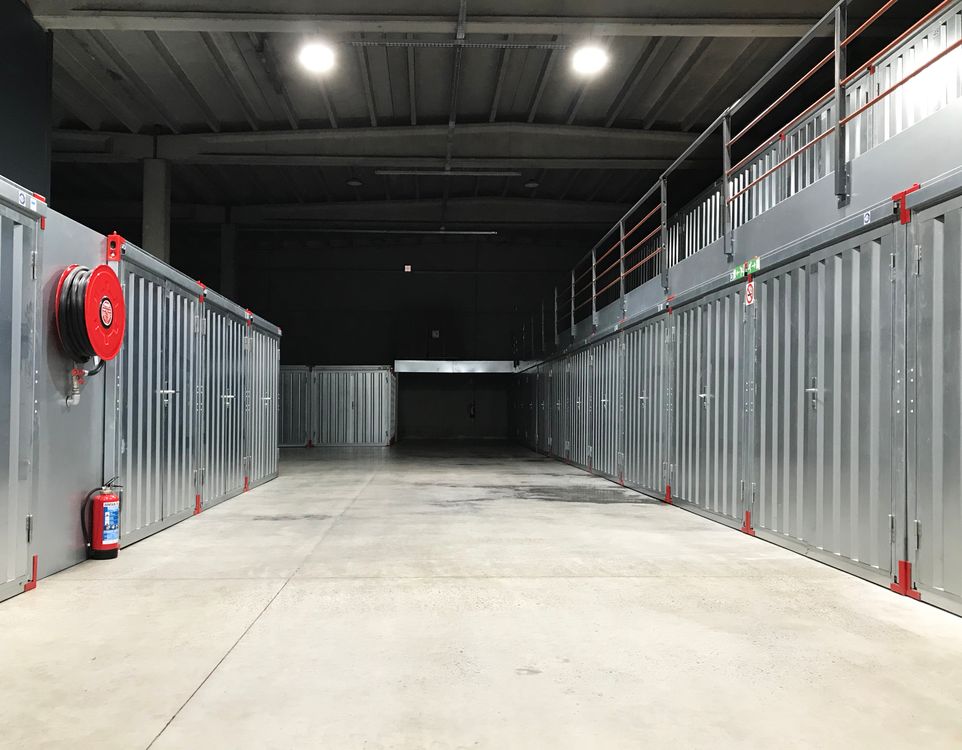
Picture: an industrial warehouse interior with steel storage units and a wide concrete floor, Pexels photo 5759037. This is a generic stock illustration; it does not show a Kadier project, and it is not a real floor inside Thuan Dao Industrial Park.
